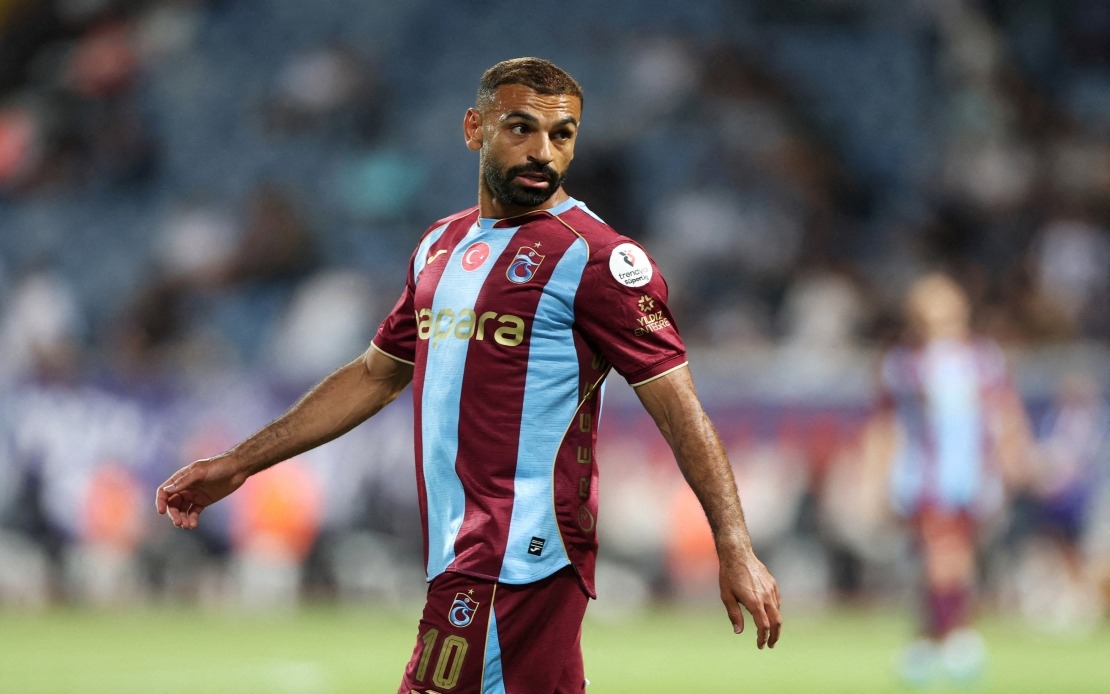
Mohamed Salah's transfer to Turkish club Trabzonspor has already catalysed a commercial phenomenon in Cairo's most iconic marketplace. Within a fortnight of the Egyptian football icon joining the Super Lig outfit, his number 10 shirt in the club's distinctive claret-and-blue colours has become a fixture in sports retailers throughout Khan el-Khalili bazaar, the historic trading hub that draws visitors from across the world.
The sudden appearance of Salah merchandise alongside Egypt's national team kit in shop windows signals more than mere commercial opportunism. Retailers are tapping into a wave of enthusiasm that has gripped Egyptian and Arab football enthusiasts following the player's relocation. Sports merchants report brisk interest, with jerseys priced between 400 and 500 Egyptian pounds—roughly US$8 to US$10—appealing to fans eager to display their allegiance to the player in his new colours. The speed at which inventory has reached bazaar stalls reflects both the commercial savvy of traders and the genuine public appetite for Salah-related merchandise.
Khan el-Khalili's emergence as a retail hub for Salah's Trabzonspor gear carries particular symbolic weight. The bazaar, a centuries-old marketplace that has hosted Egyptian presidents and international dignitaries including President Abdel Fattah el-Sisi and French President Emmanuel Macron, functions as more than a commercial space. It represents Cairo's cultural identity and serves as a barometer of public sentiment. The rapid integration of Salah merchandise into the bazaar's retail landscape underscores his profound cultural significance beyond football.
Local shopkeepers have articulated their enthusiasm for Salah's Turkish move with surprising candour. Salah Abdulmecid, a merchant operating in the bazaar, expressed genuine happiness about the transfer, framing it within a broader cultural and religious context. His remarks—"We love the Turkish people because their traditions are similar to ours and they are committed to their religion"—reveal how Salah's move has activated deeper narratives about civilizational affinity and shared values between Egyptian and Turkish societies. This perspective extends beyond sport into the realm of cultural diplomacy.
Fans navigating the bazaar have become informal ambassadors for the transfer, with supporters enthusiastically donning Trabzonspor jerseys outside retail outlets and vocalising their optimism about Salah's prospects in Turkish football. Their testimonials, circulating through social media platforms, have amplified the narrative of Salah's successful integration into his new club. The warm reception he reportedly received upon arrival in Türkiye has resonated with Egyptian audiences, generating a sense of national pride that transcends the usual boundaries of sports fandom.
Egyptian sociologist Said Sadik has identified a larger geopolitical dimension to Salah's transfer, positioning the player as a "soft power" instrument facilitating closer ties between Egypt and Turkey. This characterisation, while perhaps elevating an athlete's role, reflects genuine perceptions among analysts about how contemporary figures can influence bilateral relations. Sadik's analysis gained credibility when Salah's name surfaced during official discussions between Turkish Foreign Minister Hakan Fidan and Egyptian Foreign Minister Badr Abdelatty during Fidan's August 14 visit to Cairo, suggesting that diplomatic channels acknowledge the player's symbolic importance.
The sociologist's observation that Egyptians follow Salah's career regardless of their typical engagement with football speaks to his transcendent cultural status. His narrative—a humble player who rose to international prominence—resonates across socioeconomic and educational boundaries. This broad appeal explains why jersey sales have become a genuine commercial proposition rather than a niche collector's item. The merchandise market reflects authentic popular enthusiasm rather than manufactured demand.
Salah's transfer to Trabzonspor arrives at a moment when Egyptian-Turkish relations have been gradually normalising after a period of tension. The football move, positioned within diplomatic frameworks and celebrated across multiple societal levels, contributes to a warming atmosphere between the two nations. The bazaar's rapid commercialisation of the transfer demonstrates how sport intersects with statecraft and cultural exchange in the modern Middle East.
From a Southeast Asian perspective, the Khan el-Khalili scenario illuminates how regional athletes function as diplomatic assets and cultural ambassadors. The parallel with how Malaysian and Southeast Asian football stars are received and commercialised in their home markets—and how their international moves generate merchandise ripples—demonstrates universal patterns in how sports transcend entertainment to become expressions of national pride and international positioning. Salah's Trabzonspor jersey in Cairo's bazaar thus offers a microcosm of how globalised sport operates as both commerce and statecraft.

