Foreign Minister Datuk Seri Mohamad Hasan will represent Malaysia at an extraordinary gathering of the Organisation of Islamic Cooperation's Council of Foreign Ministers in Jeddah, where member nations are convening to assess recent developments affecting Palestine and chart a unified regional response. The diplomatic gathering, scheduled for tomorrow, represents a critical moment for the 57-nation bloc to synchronise positions on an issue that remains central to Islamic solidarity and Middle Eastern geopolitics.
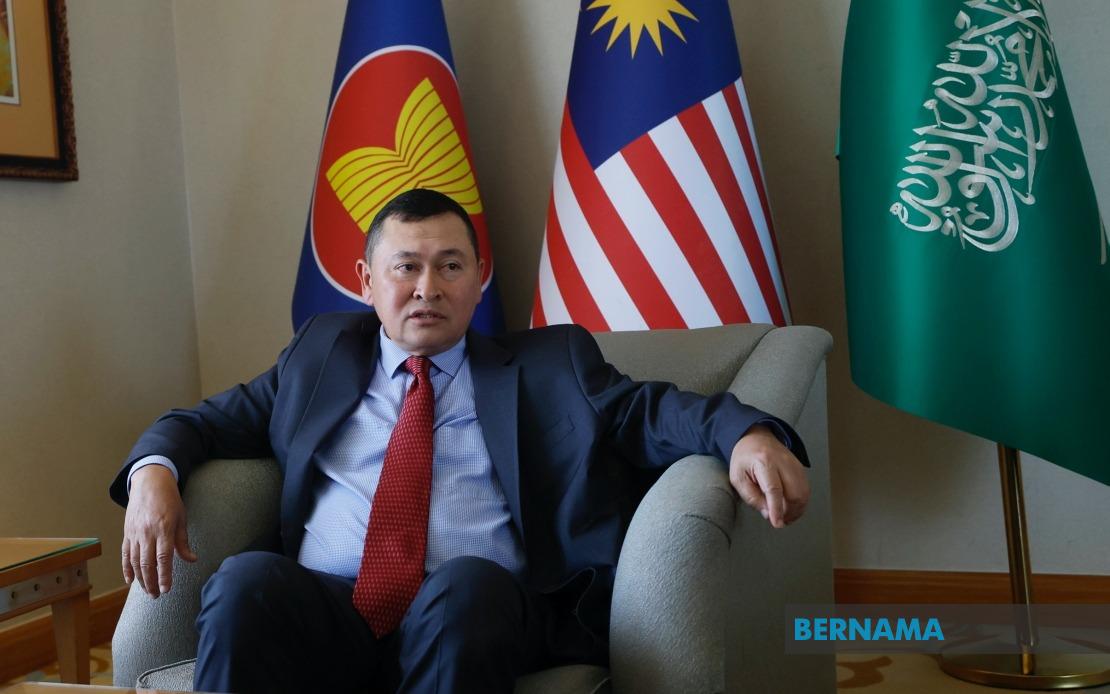
According to Malaysian Ambassador to Saudi Arabia Datuk Syed Bakri Syed Abdul Rahman, who also serves as Malaysia's Permanent Representative to the OIC, the one-day summit builds upon previous rounds of discussion aimed at forging a cohesive stance among Islamic states regarding Palestinian affairs. This iterative approach reflects the complexity of achieving consensus within such a large and geographically diverse organisation, where member states often balance their own national interests with collective Islamic concerns.
During the meeting, Mohamad will present Malaysia's formal position through a comprehensive National Statement that emphasises the nation's steadfast commitment to the Palestinian cause. The statement will underscore Malaysia's conviction that Palestinians possess an inalienable right to self-determination and statehood within borders defined by the pre-1967 parameters, a longstanding principle that has guided Kuala Lumpur's Middle East policy across multiple administrations and governments.
The Foreign Minister's remarks will specifically address Israel's military operations in Gaza and the occupied West Bank, areas where humanitarian conditions have deteriorated significantly in recent years. Mohamad will also highlight Malaysia's concerns regarding the expansion of Israeli settlements in Palestinian territories, which international legal frameworks classify as illegal under international law. By raising these specific grievances, Malaysia seeks to ensure that the international community maintains attention on what it considers ongoing violations of Palestinian rights.
Syed Bakri emphasised that Malaysia's participation carries particular importance in demonstrating Kuala Lumpur's unwavering diplomatic commitment to the Palestinian struggle at a regional multilateral forum. The Foreign Minister's attendance signals that resolving the Israeli-Palestinian conflict remains a priority for Malaysian foreign policy, despite competing international challenges demanding governmental attention elsewhere. This visibility reinforces Malaysia's credentials as an advocate for Palestinian interests within both the Islamic world and broader international mechanisms.
Beyond rhetorical support, the ambassador highlighted Malaysia's practical engagement with humanitarian dimensions of the conflict. The nation remains committed to channelling assistance to Palestinians affected by ongoing hostilities, with particular emphasis on ensuring that relief supplies successfully navigate to vulnerable populations in Gaza and other affected areas. This commitment reflects Malaysia's broader approach of combining diplomatic advocacy with tangible humanitarian action.
The extraordinary OIC meeting will serve as a platform for member states to calibrate their collective diplomatic strategy and explore mechanisms for coordinated international engagement on Palestine. Such gatherings allow smaller nations like Malaysia to amplify their advocacy through multilateral frameworks, lending greater weight to individual country positions when endorsed by dozens of fellow Islamic states. The OIC's unified voice carries particular resonance in United Nations forums and bilateral negotiations involving Western powers.
Parallel to the main conference agenda, Mohamad will engage in bilateral meetings with foreign ministers from several nations, according to Syed Bakri. These side discussions provide opportunities to strengthen Malaysia's relationship with key OIC members while exploring practical avenues for enhanced cooperation in commercial, trade and investment sectors. Such economic discussions frequently accompany diplomatic engagements on contentious political issues, allowing nations to demonstrate mutual respect and commitment to broader partnership despite differing perspectives on specific matters.
The meeting's agenda extends beyond Palestine to include the election of an OIC secretary-general, a position of significant influence within the organisation. Malaysia's participation in this electoral process reflects its standing within the Islamic world and its capacity to influence institutional leadership. The selection of OIC leadership can subtly shape the organisation's priorities and policy emphasis across subsequent years.
Among formal outcomes expected from the gathering is the adoption of a resolution specifically addressing Palestine and Al-Quds Al-Sharif, the Islamic name for Jerusalem's Old City. This resolution will formally document the OIC's condemnation of Israeli actions against Palestinians and call for intensified collaborative efforts among member states to address the situation. Such resolutions, while sometimes criticised as symbolic rather than binding, serve important functions in establishing the organisation's official record and legitimising member state positions within international discourse.
For Malaysia, engagement at the OIC represents participation in what many in the Islamic world regard as a fundamental moral and religious imperative. The Malaysian government has consistently positioned itself as an active voice within Islamic diplomacy, and Palestine remains perhaps the most emotionally charged issue among OIC members. By fielding its Foreign Minister at this extraordinary session rather than a lower-ranking delegate, Malaysia demonstrates the significance it attaches to the proceedings.
The timing of this OIC gathering reflects ongoing volatility in Palestinian territories and international concern about escalating tensions. Regional and global powers closely monitor how Islamic states coordinate their response, as such coordination can influence international diplomatic pressure, humanitarian initiatives, and potentially military dimensions of regional conflicts. Malaysia's position within these discussions carries weight disproportionate to its geographic proximity to the Middle East, reflecting its broader diplomatic influence as a respected voice within the developing world and Islamic community.

