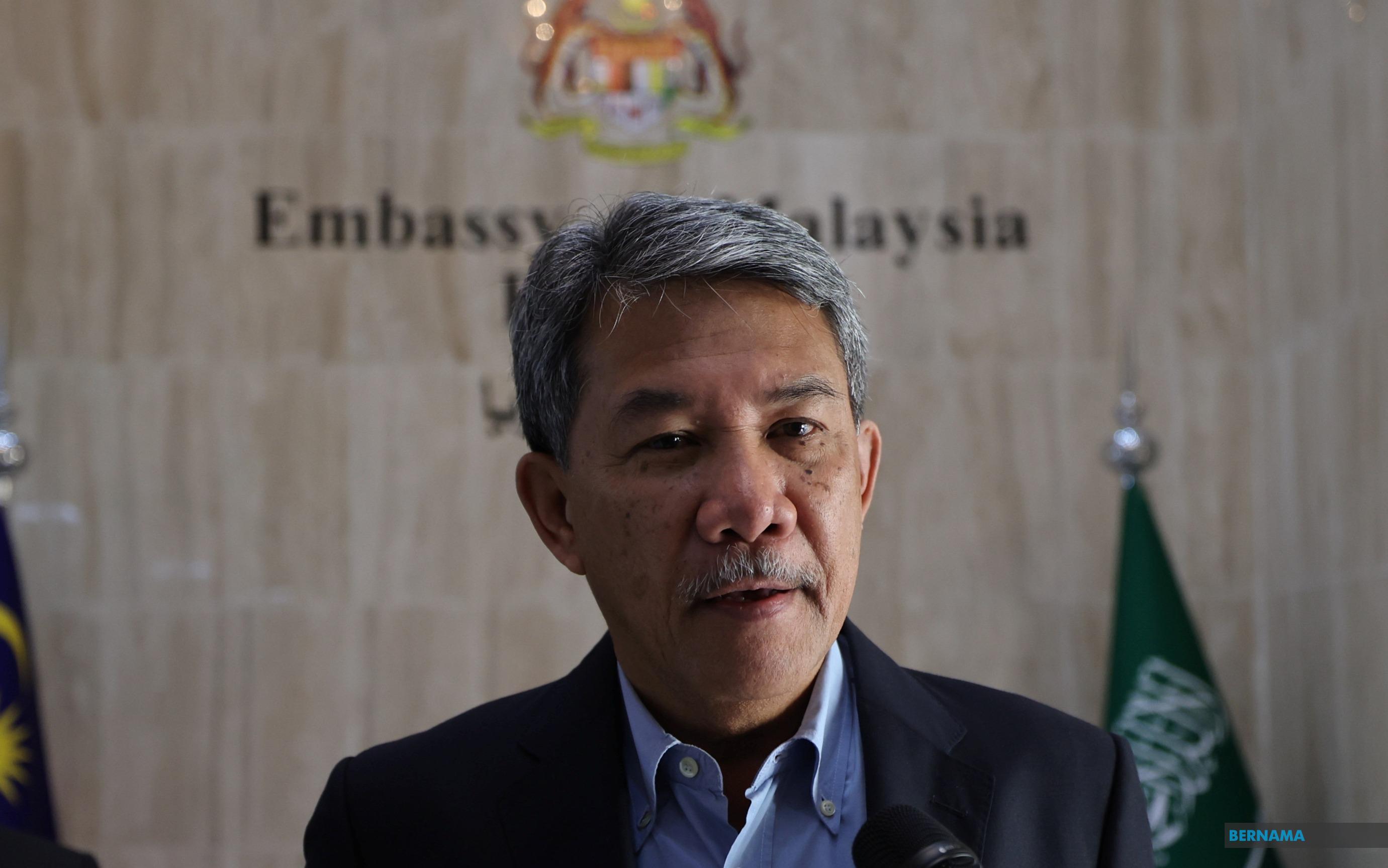
Malaysia's Foreign Minister Datuk Seri Mohamad Hasan is heading to Brunei this week for a three-day working visit that will encompass two significant bilateral forums addressing trade expansion and longstanding boundary matters between the neighbouring nations. The trip, scheduled from August 20 to August 22, reflects the continued diplomatic engagement between Kuala Lumpur and Bandar Seri Begawan as both countries seek to deepen their relationship across multiple policy domains.
The centrepiece of the minister's itinerary is the 27th Malaysia-Brunei Annual Leaders' Consultation, scheduled for August 22. This high-level gathering serves as the apex forum for bilateral dialogue, allowing the two governments to chart the course of their relationship and address strategic concerns. Prior to the main consultation, Mohamad Hasan will co-chair the 27th Exchange of Letters Implementation Meeting on August 21 alongside Brunei's Second Minister of Foreign Affairs, Datuk Seri Setia Erywan Mohd Yusof. This two-stage approach ensures that operational and technical issues are resolved before senior leadership convenes to discuss broader strategic direction.
The Exchange of Letters mechanism has emerged as a critical institutional channel for managing the complexities of the Malaysia-Brunei relationship. The implementation meeting serves multiple functions: it provides an opportunity to review progress on past commitments, tackle emerging bilateral challenges, and identify new areas where the two nations can cooperate productively. This institutional framework has proven particularly valuable for addressing sensitive matters that require careful diplomatic handling and sustained engagement at the ministerial level.
Among the substantive issues expected to dominate discussions are land and maritime boundary demarcation. These perennial matters remain significant for both nations, reflecting geographical adjacency and overlapping claims in certain areas. While Malaysia and Brunei maintain cordial relations overall, settling definitional questions around their shared borders requires patient negotiation and technical expertise. The inclusion of boundary matters on the formal agenda underscores the commitment of both governments to achieving clarity and mutual recognition through dialogue rather than confrontation.
Economic cooperation and trade expansion will also feature prominently during the visit. Recent trade data illustrates the current scale of bilateral commercial engagement, though the figures merit careful interpretation. In 2025, bilateral trade reached RM5.86 billion, equivalent to USD 1.37 billion. During the first half of 2026, trade totalled RM2.38 billion, or USD 0.6 billion, suggesting a trajectory that warrants both countries' attention. These volumes indicate that while trade flows exist, they remain modest relative to Malaysia's overall commercial relationships and to Brunei's economic capacity, suggesting substantial potential for expansion through strategic initiatives and sector-specific collaboration.
The timing of this ministerial engagement comes as Malaysia positions itself to strengthen ties across the ASEAN region while managing its own complex diplomatic agenda. Brunei, as a small but strategically located ASEAN member and an energy-rich nation, holds particular importance for Malaysian foreign policy. Enhanced bilateral ties can yield benefits across multiple sectors, from energy security to tourism and professional services. For Brunei, deepening engagement with its larger neighbour Malaysia offers opportunities to leverage existing relationships for broader regional positioning and economic diversification.
The Annual Leaders' Consultation format itself represents institutional maturity in the bilateral relationship. By establishing regular, high-level forums for dialogue, both nations signal to each other and to the broader international community their commitment to maintaining stable, predictable relations. This institutional anchoring becomes especially valuable during periods of transition or when individual leaders change, as it provides continuity and ensures that core issues remain on the diplomatic agenda regardless of electoral cycles.
For Malaysian observers, this working visit exemplifies the quiet diplomacy that characterises much of ASEAN engagement. While less visible than grand multilateral summits or dramatic policy announcements, these bilateral ministerial visits form the essential foundation of regional stability. The focus on implementing past agreements while simultaneously exploring new cooperation underscores a pragmatic approach to diplomacy: honouring commitments while remaining alert to evolving opportunities.
The specific mention of boundary discussions within the bilateral agenda reflects acknowledgment by both governments that unresolved geographical questions, however manageable at present, require sustained attention. In Southeast Asia, where multiple nations share maritime spaces and land borders, establishing clear understandings prevents future miscalculation. Malaysia's willingness to engage on these matters through formal bilateral channels demonstrates its preference for negotiated solutions grounded in international law and mutual respect.
Looking ahead, the outcomes of these August meetings will likely shape the bilateral agenda for the coming year. Any progress on boundary demarcation, new trade initiatives, or expanded cooperation frameworks announced during the visit would signal positive momentum. Conversely, agreements simply to continue dialogue and establish technical working groups might indicate that certain issues require more extended timeframes for resolution. Either way, the Malaysian Foreign Ministry's decision to commit ministerial resources to the Brunei visit underscores the importance of this relationship within the broader ASEAN context and Malaysia's commitment to bilateralism as a foundational diplomatic tool.

