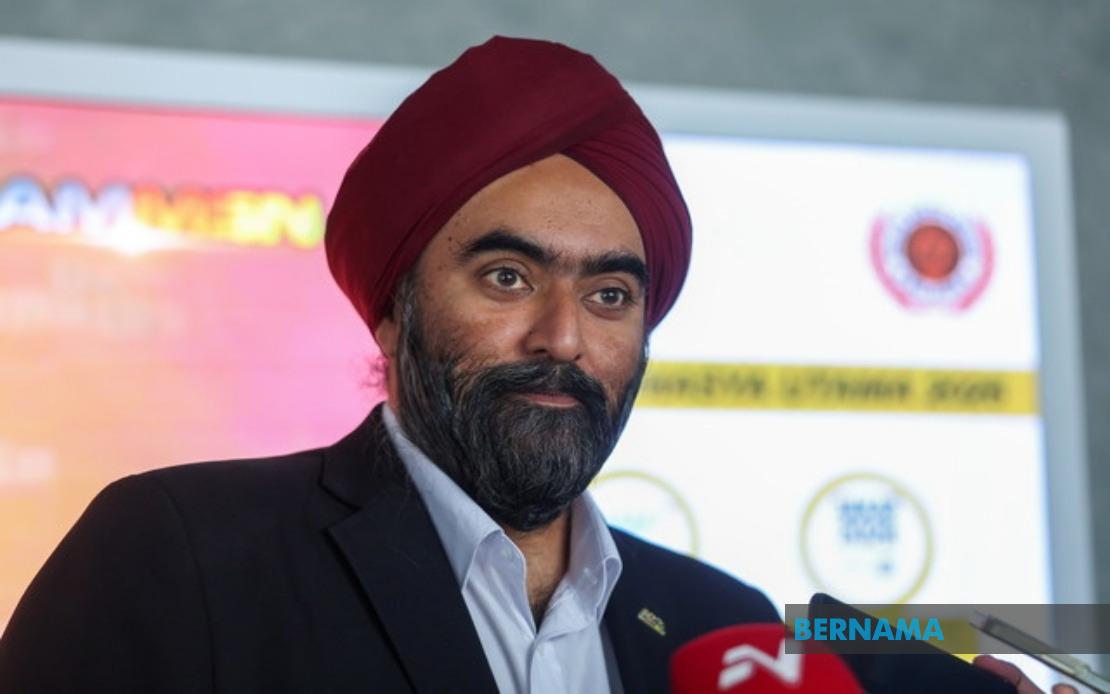
The Malaysian National Cycling Federation (MNCF) is escalating efforts to resolve a dispute with Yayasan Sime Darby (YSD) that has derailed a crucial talent development cycling programme scheduled for 2026. Federation president Datuk Amarjit Singh Gill announced on June 25 that the organisation is actively seeking an urgent face-to-face meeting with YSD's leadership to address the underlying tensions that prompted the series postponement. Speaking at the launch of the Le Tour de Langkawi 2026 route announcement in Putrajaya, Amarjit stressed that the situation, whilst serious in its implications for the sport, need not become intractable if both parties engage in constructive dialogue.
The postponement of the YSD Track Cycling and BMX Series represents a significant setback for Malaysia's cycling development infrastructure. YSD has attributed the decision to technical issues stemming from MNCF's operations, though the federation president declined to elaborate publicly on the specifics of the disagreement. This reticence reflects an attempt to de-escalate tensions before formal negotiations commence, with Amarjit indicating that the problems are fundamentally resolvable through professional engagement rather than protracted public disputes. The track cycling and BMX programmes serve as pipelines for identifying and nurturing young talent destined for national representation, making their continuation essential to Malaysia's competitive cycling future.
Amarjit's characterisation of the dispute as a matter requiring senior leadership intervention underscores the gravity with which the federation regards the situation. He has called for both YSD's top management and MNCF's executive council to convene for comprehensive discussions addressing the points of contention. Rather than dismissing YSD's stated concerns, the federation president acknowledged the legitimacy of the organisation's position whilst simultaneously arguing that the issues warrant resolution rather than prolonged postponement. This diplomatic posture suggests that both parties retain goodwill and institutional interest in preserving their partnership, despite current friction.
The emphasis on mutual respect and equal partnership status reflects broader governance principles within Malaysian sports management. Amarjit articulated a vision of collaboration wherein both organisations recognise each other's distinct roles and contributions to cycling development. The MNCF's appreciation for YSD's investment and commitment was explicit, with the president framing the partnership as strategically valuable for advancing the sport nationally. This positioning attempts to reframe the dispute not as a fundamental incompatibility but as a temporary procedural or administrative disagreement susceptible to compromise.
For Malaysian cycling, the implications of prolonged postponement extend beyond immediate competition schedules. Track cycling and BMX programmes require year-round consistency to develop athletes' technical skills and competitive readiness. Extended disruptions risk fragmenting training cohorts, delaying athlete progression, and potentially driving talent towards alternative sports with more stable institutional support. The Southeast Asian competitive landscape demands sustained investment in youth development, as neighbouring countries maintain robust cycling academies. Malaysia's capacity to compete regionally and internationally depends on uninterrupted talent pipelines, making swift resolution of governance disputes particularly urgent in the sports development context.
YSD's decision to cite technical issues rather than financial or philosophical disagreements suggests that solutions exist within operational frameworks rather than requiring fundamental restructuring. Technical issues typically encompass administrative procedures, reporting systems, event management protocols, or compliance mechanisms—areas where negotiated compromise often proves achievable. Amarjit's willingness to accept YSD's characterisation at face value whilst maintaining that resolution is straightforward indicates he believes the parties can converge through clarified communication and adjusted procedures. This pragmatic assessment suggests realistic prospects for restoring the partnership's functionality.
The timing of Amarjit's appeal, made during the Le Tour de Langkawi announcement, carries symbolic significance. The LTdL remains Southeast Asia's premier road cycling event, demonstrating Malaysia's capacity to host and organise international-standard competitions. Positioning the MNCF as an organisation capable of managing multiple cycling disciplines at various developmental levels requires institutional stability and healthy partnerships with key stakeholders. The contrast between the success of established road cycling programmes and the disruption of emerging track and BMX initiatives potentially undermines the federation's broader credibility and resource access.
YSD's continued involvement in cycling development reflects the private sector's critical role in Malaysian sports funding and infrastructure provision. As a major philanthropic and development institution, YSD's withdrawal from cycling support would create resource gaps that government budgets alone could not address. The federation's careful approach to resolving the dispute recognises this asymmetry, with Amarjit emphasising partnership preservation rather than confrontation. Private-public collaboration in sports development remains essential given Malaysia's economic constraints and competing budgetary priorities across multiple sporting disciplines.
The absence of detailed public disclosure about the technical issues reflects strategic communication management within Malaysian sports governance. Public disputes damage institutional credibility, alienate sponsors and partners, and create uncertainty amongst athletes and their families regarding programme sustainability. By maintaining professional restraint whilst actively pursuing resolution, both organisations signal commitment to preserving the partnership and the cycling ecosystem it supports. This approach, whilst potentially frustrating to external observers seeking transparency, follows established protocols for managing institutional disagreements within the Malaysian sports structure.
Moving forward, the success of negotiations will likely depend on both parties' willingness to make procedural concessions that do not compromise their respective institutional interests. MNCF may need to adopt modified administrative protocols or enhanced reporting mechanisms satisfying YSD's concerns, whilst YSD might agree to streamlined approval processes or extended implementation timelines accommodating federation operational realities. The federation's signal that it remains flexible and accommodating on technical matters suggests negotiators are prepared for such compromise arrangements.
The broader implications for Malaysian sports extend beyond cycling. Governance disputes between national sports bodies and private sector partners recur across multiple disciplines, with outcomes in one sector influencing institutional expectations elsewhere. A successful resolution of the MNCF-YSD disagreement would reinforce models of professional conflict resolution and partnership preservation, strengthening Malaysia's capacity to attract and retain corporate investment in sports development. Conversely, prolonged or adversarial disputes risk discouraging private sector participation in sports funding, with ripple effects across multiple sporting domains.

