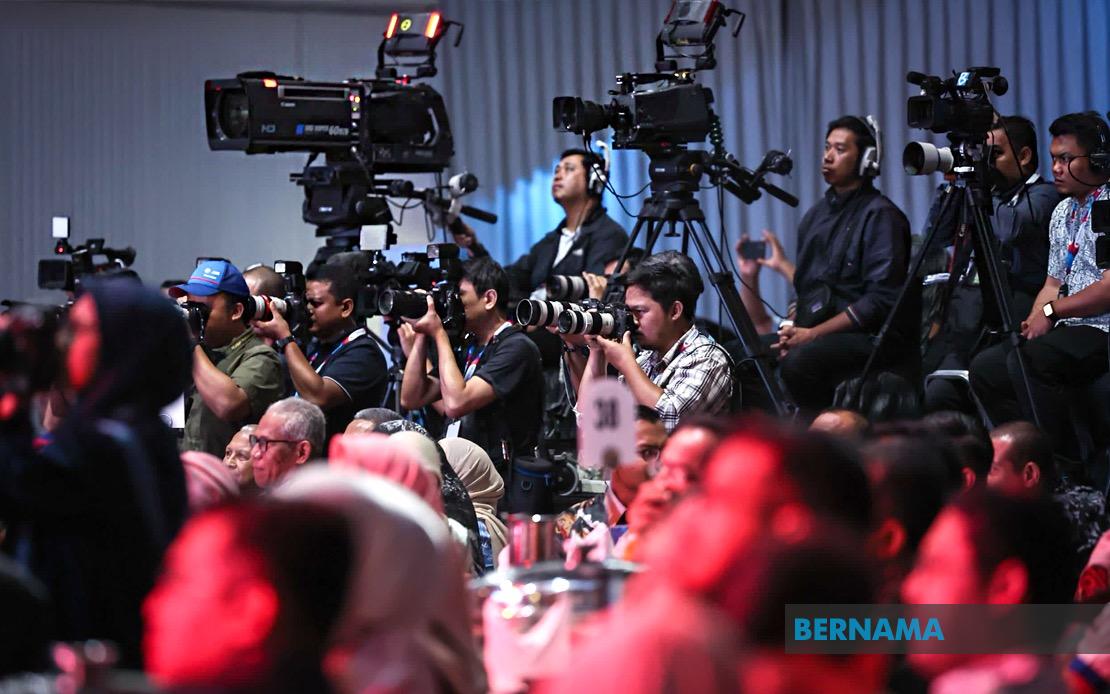
The Malaysian Media Council has thrown its weight behind a recent directive from Prime Minister Datuk Seri Anwar Ibrahim establishing a structured pathway for complaints involving journalists. Under this framework, grievances against reporters from recognised news organisations must first be assessed by the Council rather than immediately triggering formal investigations or legal proceedings. The move represents a significant step in institutionalising media oversight mechanisms that balance accountability with protection against arbitrary action.
The Council views the Prime Minister's statement as official affirmation of its role as an independent arbiter in the Malaysian media landscape. This endorsement carries weight beyond symbolic recognition—it creates a clear procedural expectation that distinguishes between complaints about journalistic conduct and those requiring law enforcement involvement. The distinction proves crucial in practice, as it prevents journalists from facing disproportionate pressure or punitive measures simply because an allegation has been filed, while simultaneously ensuring that legitimate concerns about media accuracy, ethics or fairness receive appropriate professional examination.
The Council's interpretation underscores its constitutional position as a self-regulating body tasked with upholding professional journalism standards across the industry. Rather than usurping judicial or law enforcement authority, the mechanism operates within a defined sphere: assessing whether allegations involve journalistic practice, media ethics, reporting accuracy, rights of reply, corrections requirements and matters of public interest. This demarcation prevents regulatory overlap while ensuring that decisions about journalism-specific disputes rest with those equipped to evaluate them against professional standards and democratic principles.
What distinguishes this framework from traditional complaint systems is its contextual approach. Rather than treating all allegations identically, the Council examines circumstances surrounding the journalism in question, recognising that media outlets operate within democratic requirements and serve broader public interests. A story based on solid reporting may legitimately displease powerful figures without constituting misconduct. The Council's process acknowledges this reality by requiring preliminary assessment before pursuing corrective measures or further action. This prevents the chilling effect that would result from unvetted complaints automatically triggering investigations.
For Malaysian journalists and newsrooms, the directive provides meaningful protection against weaponised complaints—allegations filed not from genuine concern about accuracy or ethics but to harass, intimidate or silence critical reporting. International press freedom indices have flagged Malaysia's trajectory on this issue, with concerns that journalists face increasing pressure from multiple directions. The Prime Minister's statement and Council's endorsement aim to reverse this trend by establishing that professional processes, not reactive investigations, should address media disputes. This matters particularly for investigative journalism covering sensitive topics where powerful interests might prefer suppression to scrutiny.
The mechanism's practical operation involves several stages. When complaints arrive, the Council's secretariat first determines whether they fall within its jurisdiction and genuinely concern journalism or media practice rather than other matters. If assessment proceeds, the relevant media organisation receives notification and opportunity to respond, clarify or take corrective action. Unresolved complaints may advance to fuller assessment under the Council's Code of Conduct and recognised journalism principles. This graduated approach protects both journalists and complainants by ensuring disputes receive proportionate attention rather than escalating immediately to formal action.
Crucially, the framework does not shield journalists from legitimate accountability. Media organisations and individual reporters remain subject to Malaysian law, and nothing in the process prevents law enforcement or courts from pursuing matters involving criminal conduct or breaches of non-journalism-related statutes. Rather, the Council's role addresses disputes specifically about journalism quality, professional ethics and media practice—areas where industry expertise and self-regulation operate most effectively. By distinguishing between journalism-specific complaints and those involving criminal or civil law, the system protects professional discretion while preserving broader legal oversight.
The Council's statement also signals a philosophy that media freedom and media responsibility reinforce rather than contradict each other. Some observers frame these as opposing forces—arguing that greater freedom requires less accountability, or vice versa. The Council rejects this framing, contending that rigorous journalism meeting professional standards simultaneously maximises freedom and demonstrates responsibility. A climate where journalists operate under professional norms, subject to transparent self-regulation, actually strengthens rather than weakens media institutions by building public trust and legitimacy.
For Malaysia's position in global press freedom rankings, the initiative addresses a documented weakness. International assessments have noted pressures on journalists and concerning trends in complaint-handling procedures. By establishing that complaints follow professional protocols rather than triggering automatic action, Malaysia demonstrates commitment to systemic media protection. This distinction between formal process and reactive response signals that journalists operate within a predictable, fair framework rather than facing arbitrary jeopardy. Such assurances matter considerably in international evaluations of press freedom conditions.
The Council's call for stakeholder participation reflects recognition that the system requires buy-in from multiple quarters. Government agencies, politicians and public institutions must respect the protocol by channelling media-related concerns through the Council rather than pursuing parallel investigations. Civil society organisations, media outlets and the public must similarly embrace professional dispute resolution over public pressure or harassment campaigns. This cultural shift—from reactive complaints and public mobilisation toward structured processes—requires collective commitment to systemic norms.
Beyond journalism, the framework carries implications for broader governance conversations about regulation, accountability and institutional independence. Malaysia operates multiple independent bodies tasked with various oversight functions. The Media Council's role model demonstrates how self-regulatory institutions can function effectively when they maintain genuine independence, possess clear jurisdiction, operate transparently and receive recognition from government and public alike. These principles extend potentially to other professional sectors seeking similar balances between freedom and accountability.
Looking forward, implementation will test whether this framework translates principles into practice. Institutions often face pressure to operate differently during sensitive situations, and the real test arrives when powerful figures or organisations feel disadvantaged by the process. Maintaining the Council's independence and the protocol's integrity through such moments will determine whether the initiative truly anchors media protection in Malaysian practice or becomes another aspirational commitment undermined by exceptions. The Prime Minister's explicit endorsement provides important political backing, but sustained respect for the process requires ongoing commitment from all stakeholders.

