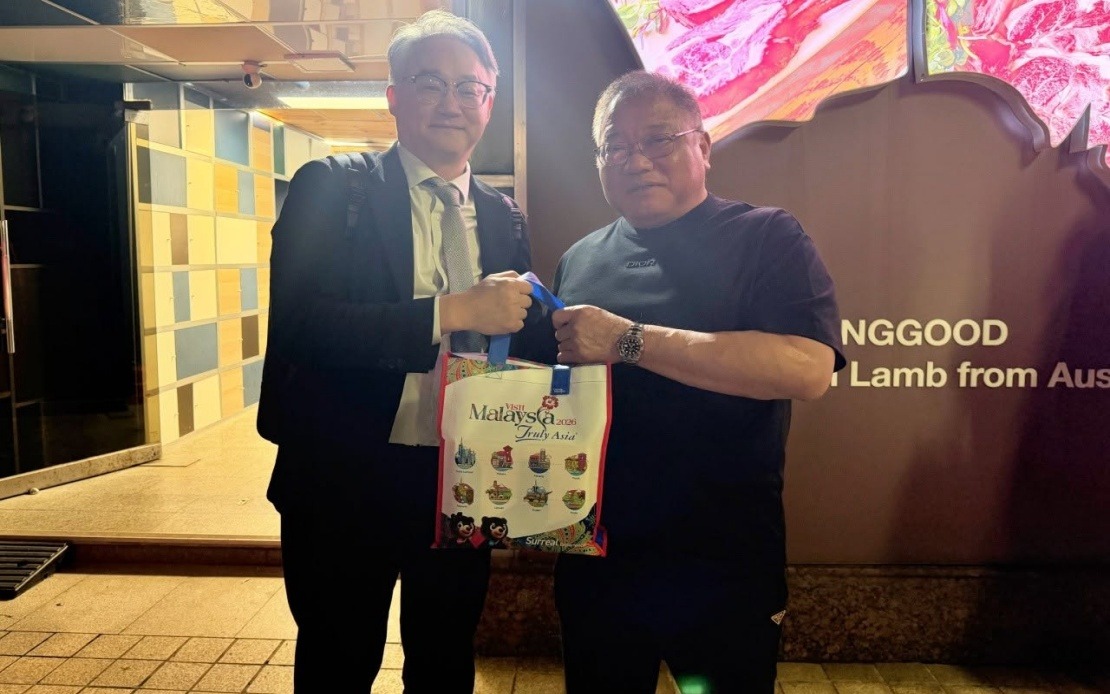
Tourism, Arts and Culture Minister Datuk Seri Tiong King Sing has issued a directive to Malaysia My Second Home (MM2H) Programme agents, emphasizing the critical importance of complying with local laws and regulatory frameworks in all countries where they conduct business and recruit participants. Speaking following discussions with the Malaysian Association in the Republic of Korea, Tiong stressed that possessing an MM2H licence from Malaysia does not automatically satisfy the legal and regulatory obligations imposed by host countries, a distinction that many agents appear to have overlooked.
The minister's warning reflects growing concerns about operational irregularities within the MM2H ecosystem internationally. During his recent visit to South Korea, representatives from the Malaysian Association conveyed troubling reports indicating that some MM2H agents operating from Malaysia may lack comprehensive understanding of local regulatory systems in their target markets. This gap in compliance awareness has resulted in a proliferation of unofficial actors claiming credentials to handle MM2H applications, generating confusion among prospective applicants and creating opportunities for fraudulent schemes.
Tiong articulated the fundamental principle underpinning his directive: possessing a Malaysian licence creates no exemption from local regulatory obligations. Agents promoting the programme and recruiting clients across borders must actively engage with and comprehend the regulatory landscape specific to each jurisdiction. More importantly, they must establish direct working relationships with local authorities rather than operating in isolation. This requirement extends beyond mere compliance checkbox exercises; it demands substantive coordination mechanisms that ensure legitimate operations and protect vulnerable applicants seeking long-term residency options.
The broader challenge, as outlined by the minister, stems from inadequate cooperation architecture between Malaysian MM2H agents and local industry partners in key overseas markets. The absence of clear frameworks and transparent operational protocols has created conditions ripe for misrepresentation and ambiguity. When multiple unvetted parties claim capability to handle applications, prospective applicants struggle to identify legitimate service providers, undermining confidence in the programme itself. Tiong emphasized that transparent, legally compliant market development must take precedence over raw applicant numbers.
Upon returning to Malaysia, Tiong committed to engaging directly with all MM2H agent companies to reiterate compliance obligations. This engagement strategy reflects recognition that systematic improvement requires active enforcement and consistent messaging from regulatory authorities rather than passive assumption that agents understand their responsibilities. The minister's approach prioritizes market integrity over recruitment volumes, signalling that sustainable programme growth depends on rigorous adherence to regulatory standards across all operating jurisdictions.
South Korea represents a particularly significant market for MM2H expansion, particularly among retirees seeking extended stays during harsh winter periods. The nation's growing demographic of affluent senior citizens presents substantial commercial potential for the programme. However, realizing this opportunity requires that agents and their local partners operate within clearly defined legal parameters. Tiong has encouraged agents to intensify promotional activities in the Korean market while simultaneously strengthening collaborative relationships with credible local industry partners who possess deep knowledge of Korean regulatory environments.
The minister's position reflects a strategic recalibration of MM2H programme management principles. Rather than viewing the programme primarily through a recruitment lens, Tiong emphasizes the primacy of applicant protection and market confidence. This shift acknowledges that long-term programme success depends on preventing fraudulent transactions and misrepresentations that could damage Malaysia's international reputation and discourage legitimate foreign applicants from participating. Each fraudulent case or regulatory violation represents not merely an isolated incident but a potential deterrent for entire demographic segments in key markets.
The coordination gaps Tiong highlighted during his Korea visit carry particular relevance for Southeast Asian MM2H operations more broadly. Many agents operating across the region likely face similar compliance confusion, suggesting that clearer regulatory guidance and enforcement mechanisms could benefit the entire market. Establishing standardized operational frameworks that accommodate different jurisdictional requirements while maintaining core protective principles could reduce fraud, enhance transparency, and create more professional industry standards.
Moving forward, the effectiveness of Tiong's directive will depend substantially on implementation mechanisms and follow-up enforcement. Simply communicating compliance expectations proves insufficient without corresponding regulatory oversight and consequences for violations. Establishing clearer guidelines regarding which local regulatory bodies agents must engage with in various jurisdictions, providing training on foreign regulatory requirements for agents and their staff, and implementing verification procedures to confirm legitimate local partnerships would strengthen compliance outcomes.
The minister's emphasis on protecting applicants rather than maximizing application volumes represents a mature approach to programme management. Foreign applicants investing substantial resources in MM2H applications deserve assurance that they engage with legitimate, properly regulated service providers operating transparently within local legal frameworks. By insisting that agents comply with host country regulations and establishing formal cooperation mechanisms with local authorities, Malaysia can enhance the programme's reputation internationally and position it as a reliable, professionally managed residency option that operates with integrity across multiple jurisdictions and cultural contexts.

