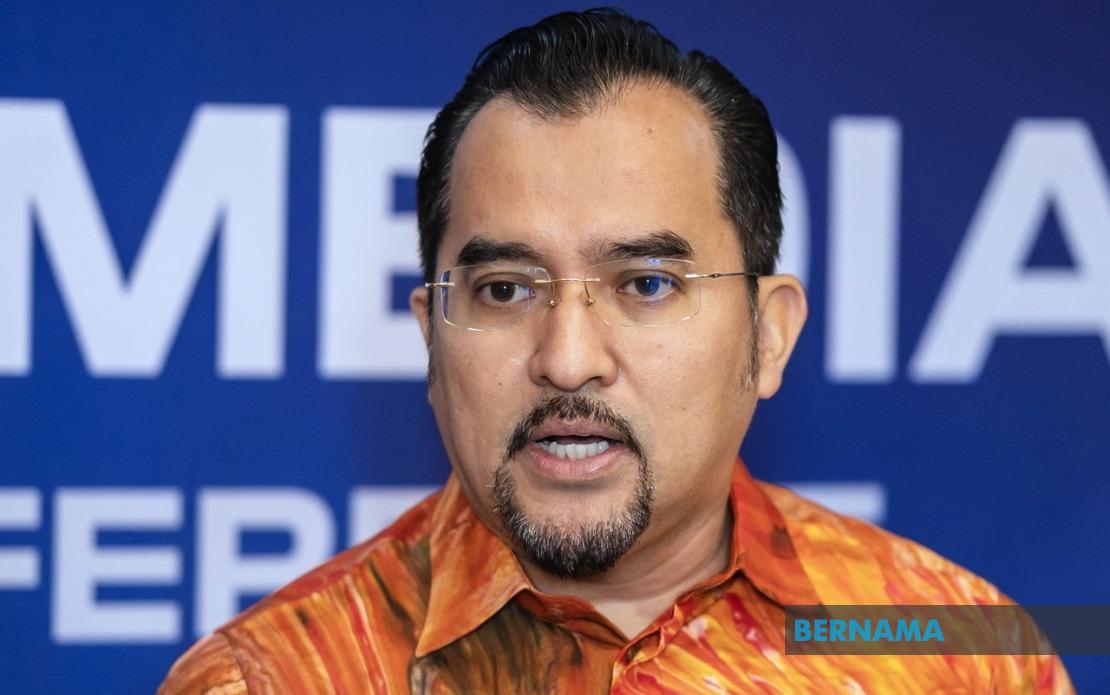
Sixteen retired Malaysian Armed Forces personnel are stepping into new roles as full-time wardens at eight MARA Junior Science Colleges beginning Wednesday, July 1, representing a significant expansion of a disciplinary and pastoral care programme introduced just months earlier. The initiative, spearheaded by MARA Chairman Datuk Dr Asyraf Wajdi Dusuki, builds on successful pilot operations launched at MRSM Besut and MRSM Balik Pulau in October last year and signals the organisation's commitment to tackling discipline issues and safeguarding student welfare through a fresh approach centred on military expertise.
The broader scheme ultimately envisions 32 wardens deployed across each of the eight participating institutions, with pairs of male and female officers working in tandem to oversee student conduct and well-being. The first cohort of 16 male veterans commences their appointments this week, whilst recruitment efforts for female wardens have generated considerable interest, with 162 applications received to date. Following an online assessment administered on June 25, in-person interviews for female candidates are scheduled for July 2, with successful appointees expected to begin their positions shortly thereafter pending completion of all mandatory vetting procedures. This measured, phased deployment reflects MARA's determination to ensure quality over speed in building a robust warden infrastructure.
The appointment process has been deliberately constructed to maintain stringent standards, involving collaboration between multiple agencies including Glokal Link Sdn Bhd (a MARA subsidiary), the Veterans Affairs Department, TalentCorp, and the Malaysian Armed Forces Psychology and Counselling Section. Candidates underwent multiple layers of screening, commencing with preliminary vetting by the Veterans Affairs Department and TalentCorp before advancing to physical interviews held on June 15 and 16 at MARA's Higher Skills Institute in Kepong. The rigorous selection machinery processed 147 candidates, of whom 139 were male applicants who had successfully navigated earlier screening stages. This comprehensive evaluation system underscores MARA's recognition that placing former military personnel in student-facing roles demands exceptional scrutiny.
Eligibility criteria themselves are precisely defined, with the programme reserved for recognised Armed Forces veterans who completed their service honourably and were not separated due to misconduct, serious disciplinary breaches, or criminal convictions capable of compromising their standing as veterans. Beyond this foundational requirement, candidates face a battery of assessments extending far beyond traditional interview formats. Psychometric evaluations utilising MyNext OCEAN and RIASEC testing frameworks form part of the toolkit, complemented by military psychological assessments, mental health screening, body mass index evaluations, and bleep fitness tests administered by multi-agency panels. The intensity of this evaluation gauntlet reflects genuine institutional concern about placing the right individuals in positions of influence over adolescent students.
Prior to any offer letters being issued, shortlisted candidates undergo additional evaluations conducted by Malaysian Armed Forces psychologists and counsellors, with particular emphasis on child protection considerations, assessment of sexual misconduct risks, impulse control capacity, and understanding of appropriate professional boundaries within hostel environments. Mental fitness for the specific demands of residential student supervision receives explicit focus, recognising that dormitory management requires emotional intelligence, ethical clarity, and psychological stability beyond what conventional military experience alone might provide. Datuk Dr Asyraf Wajdi stressed repeatedly that no appointment will proceed until all critical screening mechanisms have been completed and documented, establishing a clear organisational principle that candidate cleanliness, integrity, and demonstrated suitability for student care constitute non-negotiable prerequisites.
Criminal record verification by the Royal Malaysia Police and cross-referencing against child sexual offender registries represent mandatory preconditions for advancement through the appointment pipeline. This explicit focus on safeguarding mechanisms reflects heightened public consciousness regarding child protection in institutional environments and signals MARA's determination to foreclose any suggestion of inadequate vetting. The multi-layered approach to security clearance effectively creates a human firewall between potential risk and vulnerable student populations, whilst simultaneously communicating to parents and stakeholders that the organisation takes protection concerns with utmost gravity. Such thoroughness, whilst administratively demanding, builds the institutional credibility that residential education programmes fundamentally require.
The broader context situating this warden expansion involves longstanding concerns regarding discipline and misconduct at Malaysia's premier science colleges. Bullying incidents and pastoral care gaps have periodically generated headlines and parental anxiety, creating political pressure for enhanced institutional oversight. By recruiting seasoned military professionals accustomed to hierarchical structures, protocol adherence, and disciplinary frameworks, MARA positions itself to address these concerns through personnel theoretically equipped to establish order and professional standards within dormitory settings. The psychological and counselling expertise embedded within the Armed Forces represents an additional asset, offering behavioural assessment capabilities that conventional residential staff might lack. This deliberate importation of military discipline into educational environments reflects a particular institutional philosophy about how adolescent welfare and conduct should be managed.
The expansion timeline projects a methodical rollout, with this second phase establishing operations at eight institutions on July 1, and a third phase slated to commence January 1, 2027. The ultimate ambition encompasses extending the programme across all 58 MARA Junior Science Colleges, representing a comprehensive transformation of residential pastoral infrastructure. This staged implementation strategy permits evaluation and refinement based on early experience, avoiding wholesale deployment of untested personnel systems. It also acknowledges capacity constraints within the vetting apparatus and recruitment labour market for former military personnel meeting MARA's exacting standards. The phased approach thus balances ambition with administrative realism.
For Malaysian and Southeast Asian observers, this development carries broader significance beyond institutional housekeeping. It represents a conscious attempt to address youth discipline and safeguarding through military-derived human resources during an era of evolving social expectations regarding child protection and duty of care. It also demonstrates how Malaysia's military institutions can transition personnel into civilian roles, potentially creating employment pathways for veterans seeking post-service opportunities whilst simultaneously addressing genuine institutional needs. The programme thus serves multiple policy objectives simultaneously: student welfare, veteran employment, and institutional discipline.
The success of this initiative will likely influence future approaches to residential education management not merely within MARA but potentially across the Malaysian higher education sector more broadly. If warden recruitment drawing upon military backgrounds proves effective in reducing disciplinary incidents and enhancing student welfare outcomes, the model may attract replication. Conversely, should difficulties emerge regarding the adaptation of military-trained personnel to educational environments, the experience could inform more nuanced understanding of how military discipline translates into appropriate adolescent supervision. Either trajectory will provide valuable evidence regarding institutional innovation and personnel deployment strategies in Malaysian education.
Stakeholders including parents, educators, and policy-makers will scrutinise implementation outcomes closely over coming months. The extensive vetting processes announced by MARA leadership should theoretically minimise risk, yet the transition from military to educational contexts remains inherently complex, requiring cultural flexibility and interpersonal sophistication beyond formal screening metrics. MARA's assertion that appointment letters will only be issued following completion of all screening mechanisms provides genuine assurance that corners will not be cut in pursuit of rapid deployment. The organisation's explicit prioritisation of student safety and well-being over operational convenience suggests serious institutional commitment to making this programme genuinely serve the colleges' educational missions rather than simply importing military discipline uncritically.

