The Malaysian Golf Association is making a concerted push to secure a dedicated national coach position from the Ministry of Youth and Sports as it charts an ambitious roadmap for the 2027 SEA Games, which will be held on Malaysian soil. MGA president Tan Sri Mohd Anwar Mohd Nor outlined the request during recent discussions with KBS secretary-general Datuk Rahimi Ismail, signalling that institutional support will be vital to executing a comprehensive development strategy for the sport across the country.
The establishment of a full-time coaching position represents a cornerstone of MGA's planning framework, moving beyond ad-hoc arrangements toward a more systematic and sustained approach to athlete preparation. Tan Sri Anwar stressed that recruiting a golf coach of international standing is essential if Malaysia hopes to maximise its performance in the Games. The absence of a permanent figure has meant that continuity in training methodology and long-term player development has been difficult to maintain. A dedicated coach would provide consistency in technique refinement, mental conditioning, and competition strategy across the national squad.
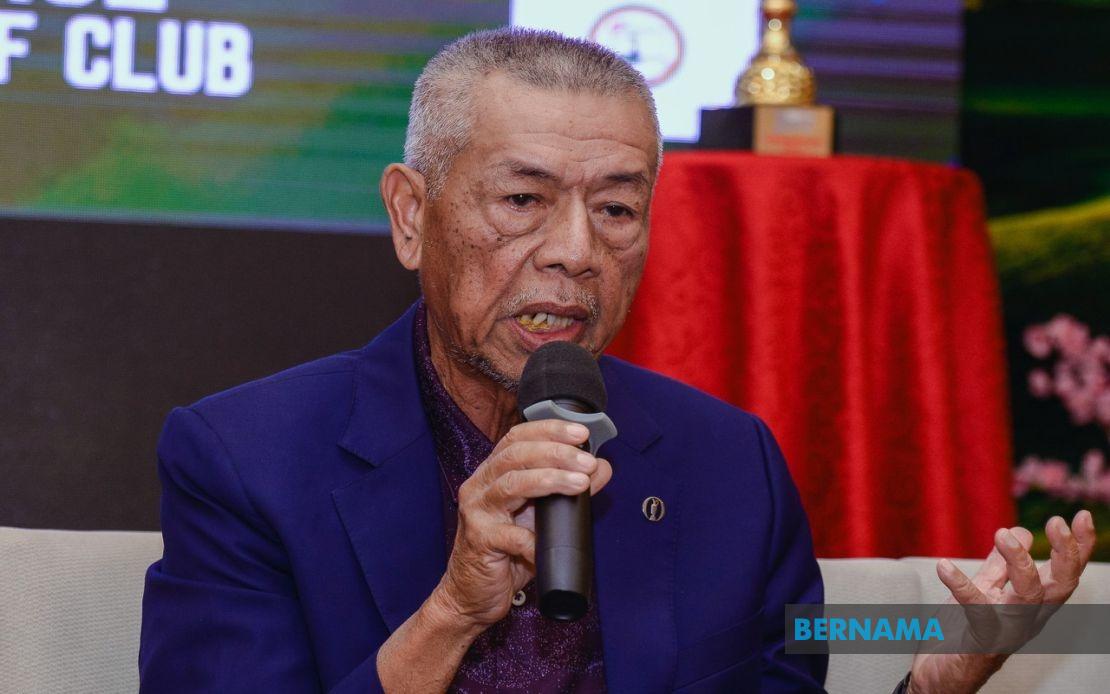
During the launch of the 100PLUS MGA National Junior Development Programme Junior Series 2026 at The Mines Resort & Golf Club, Tan Sri Anwar emphasised the critical importance of partnership between MGA, the Ministry of Youth and Sports, and the National Sports Council. These institutional relationships will determine whether the association can implement its broader vision for elevating golf's profile and competitive standing in Malaysia. Coordination between agencies has historically been a challenge in Malaysian sports development, and MGA appears determined to break down those silos by engaging all relevant stakeholders early in the planning cycle.
The junior development initiative itself underscores MGA's understanding that long-term success depends on building talent pipelines from grassroots level upward. The 100PLUS sponsorship of the NJDP Junior Series 2026 reflects growing commercial confidence in Malaysian golf's potential. By investing in young players now, the association aims to create a generation of competitors who will be peaking during the 2027 Games and beyond. This aligns with global best practices in sports development, where investing in youth infrastructure yields dividends across multiple Olympic and Games cycles.
Beyond coaching infrastructure, MGA has identified geographic advantage as an untapped resource. Discussions with Sarawak's Minister of Youth, Sports and Entrepreneur Development, Datuk Seri Abdul Karim Rahman Hamzah, indicate that the association is exploring the possibility of establishing training camps in the state ahead of the Games. Sarawak offers distinct environmental conditions and a growing golf facilities landscape that could provide valuable preparation and acclimatisation opportunities for players. This geographic diversification of training venues also reflects a broader strategy to decentralise Malaysian sports development and harness regional resources.
The 2027 SEA Games represent both opportunity and responsibility for Malaysia's golf programme. Hosting the Games traditionally provides a boost to medal prospects at home, as athletes gain familiarity with local courses and conditions, and domestic support surges. However, this advantage is only realised when substantial preparation work has been done beforehand. The urgency evident in MGA's current lobbying suggests the association recognises that without concrete institutional commitments now, the window for achieving peak performance will narrow significantly.
Financial and resource constraints have long plagued Malaysian sports federations, and golf is no exception. Unlike football or badminton, which receive more public attention and government allocations, golf has traditionally attracted funding through private sponsors and individual club revenues. MGA's appeal to the Ministry of Youth and Sports represents an attempt to shift golf into the mainstream of national sports development planning. Success in securing a dedicated coach position would signal that the government views golf as a strategic priority rather than a peripheral activity.
The timing of these proposals is strategic. By raising issues now, two years before the Games, MGA provides adequate runway for the Ministry and NSC to assess proposals, allocate resources, and oversee implementation. The association's willingness to work collaboratively on "several proposals" suggests flexibility and recognition that solutions may require creative partnerships. Whether through direct government employment, private sponsorship arrangements, or hybrid models, the flexibility in approach increases the likelihood of finding viable solutions.
Regionally, Malaysia's golf development efforts carry broader significance for Southeast Asian sports. The quality of competition at the 2027 Games will partly reflect investment decisions made by member nations in the months ahead. Countries that prioritise coaching infrastructure, junior development, and pre-Games preparation typically generate stronger medal hauls. MGA's visible commitment to these areas sends a signal to regional competitors that Malaysian golf is serious about its competitive ambitions, potentially spurring greater investment across the region.
The broader context for these developments includes Malaysia's recent hosting experience. Having successfully staged major sporting events previously, the country has developed institutional knowledge about Games preparation and execution. This backdrop makes MGA's proposals more credible and grounded in practical understanding of what works. The association is not reinventing the wheel but applying lessons from other Malaysian sports federations that have benefited from structured government support.