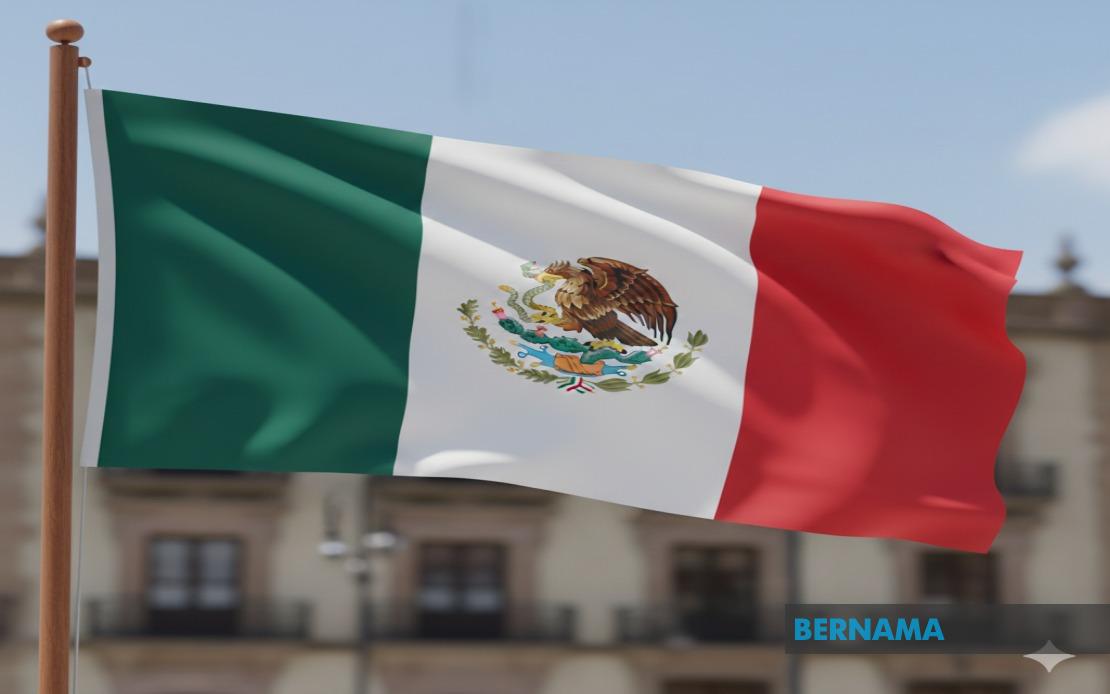
Mexico is moving beyond diplomatic channels to seek international scrutiny of deaths involving the United States' Immigration and Customs Enforcement agency. Foreign Minister Roberto Velasco formally requested that UN High Commissioner Volker Türk examine cases of Mexican citizens who died during or in connection with ICE operations, marking a significant hardening of Mexico's position on a deeply sensitive issue affecting its nationals living in the United States.
The referral represents a notable escalation in Mexico's approach to protecting its citizens abroad. Rather than limiting itself to bilateral discussions with Washington, Mexico is now leveraging the United Nations system to demand accountability and transparency. Velasco's letter to Türk asks for a comprehensive examination of the incidents, with particular emphasis on whether US authorities have fully complied with their international human rights commitments. This multilateral strategy reflects growing frustration with the pace and scope of previous diplomatic engagement.
The scope of Mexico's concerns extends beyond a single incident. According to Mexican government figures, three Mexican citizens have lost their lives during active ICE enforcement operations, while fourteen others have died while detained in US deportation facilities. This cumulative toll has prompted the administration of President Claudia Sheinbaum to declare that Mexico will no longer rely exclusively on diplomatic pressure but will pursue formal legal remedies. The shift in policy signals that Mexico views the situation as systematic enough to warrant intervention at multiple levels.
The UN High Commissioner's office has been tasked with several specific responsibilities. Beyond simply investigating the deaths, Türk's team is expected to assess whether the United States is fulfilling its binding international human rights obligations under various conventions and treaties. The office should also issue formal recommendations and, depending on findings, refer relevant cases to specialized UN mechanisms within the Human Rights Council. This structure allows for independent expert scrutiny that could carry significant diplomatic weight, even if it lacks enforcement power.
Mexico is simultaneously pursuing domestic legal avenues. The Attorney General's Office is preparing a formal complaint to be filed with the US Justice Department, to be submitted through official channels via the Mexican embassy in Washington. Additionally, Mexican embassies and consulates throughout the United States have begun filing complaints with relevant state-level prosecutor offices in jurisdictions where incidents have occurred. This two-track approach—international and domestic—is designed to maximize pressure on American authorities and create multiple pathways for investigation.
A particularly stark illustration of Mexico's grievances involves Lorenzo Salgado Araujo, a Mexican national who was fatally shot during an ICE operation in Houston on July 7. Salgado Araujo had established deep roots in the Houston area, having lived there for more than thirty years and built a successful construction business. His death encapsulates the broader tragedy: a long-term resident and business owner whose encounter with ICE enforcement ended fatally. The circumstances surrounding his death remain contested, with the US Department of Homeland Security claiming he disobeyed officers, rammed a law enforcement vehicle, and attempted to strike an officer before being shot. However, his relatives, civil rights organizations, and Democratic politicians are demanding an independent investigation rather than accepting the government's account.
The gap between official explanations and calls for independent verification underscores why Mexico believes international involvement is necessary. Relatives and advocacy groups doubt that standard US investigative processes will produce the transparency and impartiality that families deserve. An independent UN examination could potentially bridge that credibility gap and provide findings that both governments might be more willing to accept as legitimate.
Mexico has also taken concrete legal steps short of full litigation. The government has issued cease-and-desist letters to detention facilities involved in the cases. The first such letter was sent to the Adelanto detention facility in California, establishing legal precedent and signalling that Mexico views these facilities as potentially culpable. Such letters are typically a preliminary stage before civil lawsuits and demonstrate that Mexico is prepared to pursue damages claims if investigations support wrongdoing.
The timing and tenor of Mexico's actions reflect broader tensions in US-Mexico relations around migration enforcement. While the United States maintains that ICE operates within legal bounds, Mexico increasingly views some enforcement actions as excessive or reckless. From Mexico's perspective, its citizens—regardless of their immigration status—are entitled to basic protections against arbitrary violence. The escalation to the UN suggests Mexico believes American domestic accountability mechanisms may be insufficient.
For regional observers, Mexico's approach carries implications beyond bilateral US-Mexico relations. If Mexico succeeds in getting sustained UN attention on ICE-related deaths, other Latin American nations facing similar concerns might follow suit, creating diplomatic pressure that Washington would find difficult to ignore. Central American governments in particular have citizens in similar circumstances and might view Mexico's strategy as a template for advocating on behalf of their own nationals.
The practical impact of UN involvement remains uncertain. The Human Rights Council lacks enforcement authority, and recommendations often go unheeded by powerful states. However, formal UN examination generates documentation, establishes an international record, and can influence reputational calculations for the involved governments. For Mexico, obtaining UN scrutiny represents success in shifting the narrative from an American domestic matter to an international human rights concern.
President Sheinbaum's commitment to pursue legal remedies signals that Mexico's government is responding to domestic political pressure. Mexican citizens and advocacy groups increasingly view deaths in ICE custody as preventable tragedies rather than inevitable enforcement outcomes. By pivoting toward legal action and international scrutiny, Sheinbaum demonstrates responsiveness to constituents while maintaining official relations with Washington. The strategy walks a careful diplomatic line: serious enough to compel American attention, yet not so hostile as to rupture essential bilateral cooperation.
As investigations proceed and the UN process unfolds, the coming months will reveal whether international pressure prompts meaningful changes in ICE operational practices or whether the cases remain contested terrain in the broader struggle over immigration enforcement, sovereignty, and human rights in North America.

