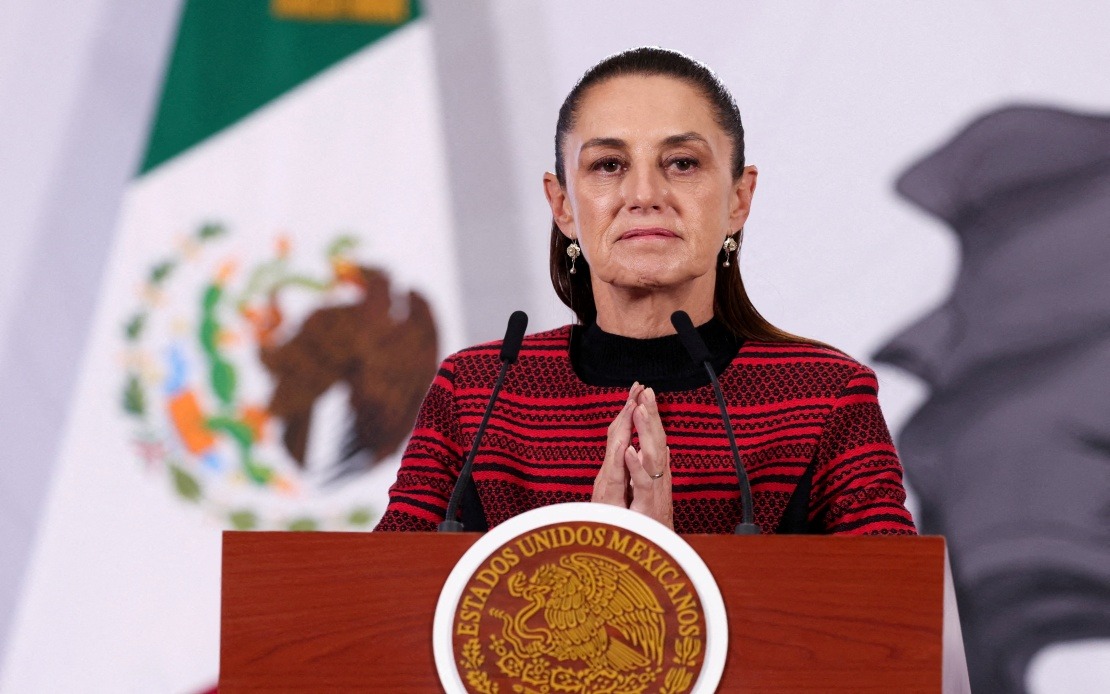
Mexican President Claudia Sheinbaum has made an unexpected trip to attend the World Cup final following a personal invitation from United States President Donald Trump, according to reports from Mexico City on Friday. The decision represents a notable diplomatic manoeuvre, coming at a time when bilateral relations between Mexico and the United States have been strained by disagreements over trade policy and border security matters. Sheinbaum confirmed to media representatives that Trump extended the invitation directly, underscoring the personal nature of the gesture at a moment when conventional channels between Washington and Mexico City have been tested by competing economic interests.
Canada's Prime Minister Mark Carney is similarly attending the championship match, as representatives of all three co-hosting nations gather for the tournament's culmination. The presence of leaders from each host country at the final demonstrates the significance accorded to the event as a multilateral showcase, even as underlying political tensions simmer beneath the surface of continental relations. The convergence of these figures at the stadium symbolises the role that major sporting events continue to play in international diplomacy, offering opportunities for dialogue outside formal negotiating structures.
Sheinbaum's decision carries particular weight given her earlier choice to skip the World Cup's opening ceremony in her own country just weeks earlier. In June, she declined to attend the inaugural match at Azteca Stadium in Mexico City, instead gifting her ticket to an indigenous woman known for her passionate support of football. That decision was widely interpreted as a political statement, reflecting her administration's priorities and its vision of inclusive nationalism. Her reversal to attend the final in New Jersey therefore signals a shift in calculation, one that weighs the value of direct engagement with the American president against other considerations.
The limited history of personal interaction between Sheinbaum and Trump adds significance to this invitation. The two leaders have met face-to-face only once previously, during the World Cup draw ceremony held in Washington last December. That single previous encounter means this trip represents a meaningful escalation in direct bilateral engagement, providing an informal setting for the Mexican president to interact with her counterpart outside the pressured environment of formal state negotiations. Diplomatic observers note that such occasions, conducted in the relaxed atmosphere of sporting events, often prove more conducive to candid discussion than structured summit meetings.
The timing of Sheinbaum's trip required adjustment to her official schedule in Quintana Roo, the southeastern Mexican state where she had been conducting government business. Mexican media outlets reported that her itinerary was modified to accommodate travel to East Rutherford, New Jersey, where the final between Argentina and Spain is scheduled for Sunday. This logistical rearrangement demonstrates the priority afforded to the Trump invitation and reflects the political calculation that attending the final carries sufficient diplomatic benefit to justify disrupting pre-planned official activities.
The World Cup final itself has drawn other prominent international figures, reflecting the event's global significance. Spain's royal family, including King Felipe VI, Queen Letizia, Crown Princess Leonor, and Infanta Sofía, are scheduled to attend to support their national team competing in the championship match. The presence of Spanish royalty alongside American and Mexican leadership underscores how major sporting tournaments serve as gathering points for the world's political elite, creating informal multilateral meetings within the stadium's confines.
Argentina's President Javier Milei, by contrast, has chosen to observe the final outside the stadium, citing superstitious considerations embedded in Argentine football culture. This decision reflects how deeply rooted certain beliefs and traditions are within particular nations' sporting identities, and how even heads of state adjust their behaviour according to cultural expectations around national teams and championship matches.
Mexico-United States relations have faced considerable strain across multiple fronts in recent months. Trade disagreements, particularly concerning tariffs and cross-border commerce, have created friction in economic relations, whilst security concerns involving drug trafficking and border management continue to generate political tensions. Within this context, Trump's direct invitation to Sheinbaum and her acceptance carry broader implications for the bilateral relationship. The gesture suggests that despite policy disagreements, both leaders recognise the value of maintaining personal diplomatic channels and demonstrating a capacity to engage on neutral ground.
For Malaysian observers and Southeast Asian policymakers, this episode illustrates how sporting events function as diplomatic tools even among nations experiencing significant political friction. The World Cup's role in facilitating interaction between governments confronting genuine policy conflicts demonstrates the continued relevance of sport in international relations. As regional tensions persist in various parts of the world, including Southeast Asia, the ability to maintain communication and engagement through cultural and sporting occasions remains an important dimension of statecraft.
The acceptance of Trump's invitation also reflects Sheinbaum's pragmatic approach to governance, balancing nationalist symbolism with practical engagement. Her earlier decision to skip the opening ceremony allowed her to make a statement about inclusive representation and indigenous rights. Her attendance at the final, conversely, prioritises high-level diplomatic engagement and the maintenance of functional relations with Mexico's most important economic partner. This tactical flexibility suggests a leadership approach focused on achieving concrete outcomes through varied diplomatic strategies.
As the final approaches, the gathering of international leaders in New Jersey will inevitably attract scrutiny regarding bilateral discussions and the health of Mexico-US relations. Though the match itself remains the nominal focus, the informal summit occurring within and around the stadium may prove equally significant. For Sheinbaum, the opportunity to engage directly with Trump outside the contentious framework of trade negotiations offers potential benefits for future diplomatic engagement. Whether this World Cup final attendance signals the beginning of a warming in Mexico-US relations, or simply represents a moment of theatre within an otherwise strained partnership, will become clearer in the weeks following the tournament's conclusion.

