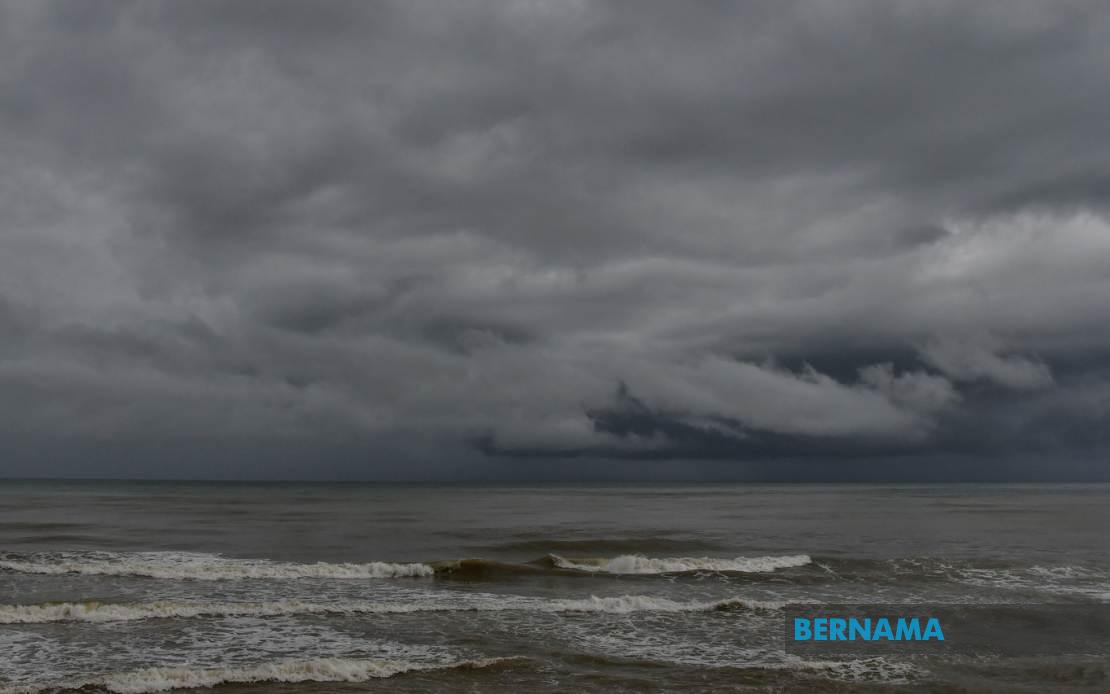
Residents across multiple Malaysian states face severe weather conditions today as the Malaysian Meteorological Department (MetMalaysia) has issued a weather warning covering thunderstorms, heavy rain and strong winds expected to persist through 9 pm. The alert encompasses areas spanning from the northern peninsula to Sabah and Sarawak, signalling a significant weather system moving through the region.
In the northern region, Perlis and several districts within Kedah have been flagged for potential severe conditions. The Kedah alert specifically covers Langkawi, Kubang Pasu, Padang Terap, Sik, Baling, Kulim and Bandar Baharu, where residents should prepare for disruptions to daily activities. Perak state residents in Kerian, Larut, Matang and Selama, Hilir Perak, Batang Padang and Muallim should similarly exercise caution during the warning period.
The central region faces considerable exposure to the weather system, with Kuala Lumpur, Selangor and parts of Johor all included in MetMalaysia's advisory. Within Selangor, the warning extends to Sabak Bernam, Kuala Selangor, Hulu Selangor, Klang, Gombak and Petaling, areas that have experienced traffic congestion and flooding during previous heavy rainfall events. In Johor, the affected localities include Kulai and Johor Bahru, two densely populated districts where severe weather can significantly impact movement and economic activity.
East Malaysia is similarly affected, with Sabah's Interior region and West Coast districts facing the brunt of anticipated conditions. The Sabah alert covers Papar, Putatan, Penampang, Kota Kinabalu, Tuaran and Ranau on the west coast, alongside Sandakan divisions including Tongod, Telupid and Beluran. These areas, particularly the coastal and interior zones, typically experience dramatic weather shifts during monsoon transitions.
Sarawak's contingency extends across Kapit, Miri and Limbang, with the Kapit warning specifically naming Kapit, Bukit Mabong and Belaga. Labuan has also been included in the alert, though specific district details were not itemized. The breadth of affected areas indicates a substantial weather system rather than localized thunderstorm activity, likely connected to regional atmospheric conditions or a developing monsoon influence.
Thunderstorms accompanied by heavy rainfall present genuine hazards for Malaysian communities, particularly in urban areas where drainage systems occasionally become overwhelmed. Strong winds pose additional concerns for elevated structures, poorly secured outdoor items and overhead installations. MetMalaysia's decision to specify a hard 9 pm deadline suggests meteorologists anticipate the system's intensity will diminish after that point, though residents should remain alert for any subsequent updates that might extend the warning period.
For commuters and business operations, such weather alerts warrant immediate operational adjustments. The combination of poor visibility, slippery road surfaces and flash flooding risks makes travel hazardous, particularly on major highways. Employers and educational institutions often make contingency decisions based on official meteorological warnings, potentially leading to work stoppages or school closures in severely affected areas. Parents in warned zones should monitor official channels for announcements from their respective state education authorities.
The extensive geographic scope—stretching from Perlis to Sabah and Sarawak—underscores how weather systems in Southeast Asia frequently impact multiple jurisdictions simultaneously. Malaysian residents in alert zones should avoid unnecessary outdoor activities, secure loose outdoor items, ensure adequate drainage around properties and avoid driving through flooded areas. Those living near waterways should remain especially vigilant, as sudden rainfall can cause rapid water level rises in rivers and streams.
MetMalaysia's warnings serve as critical public safety information, particularly for rural and coastal communities where infrastructure may be less resilient to severe weather impacts. Industrial operations, construction sites and maritime activities in affected regions typically implement weather-related safety protocols upon such alerts. The simultaneous warning across such disparate areas suggests this represents part of broader regional weather patterns rather than isolated phenomena, likely influenced by seasonal wind patterns and monsoon characteristics affecting the broader Southeast Asian region.

