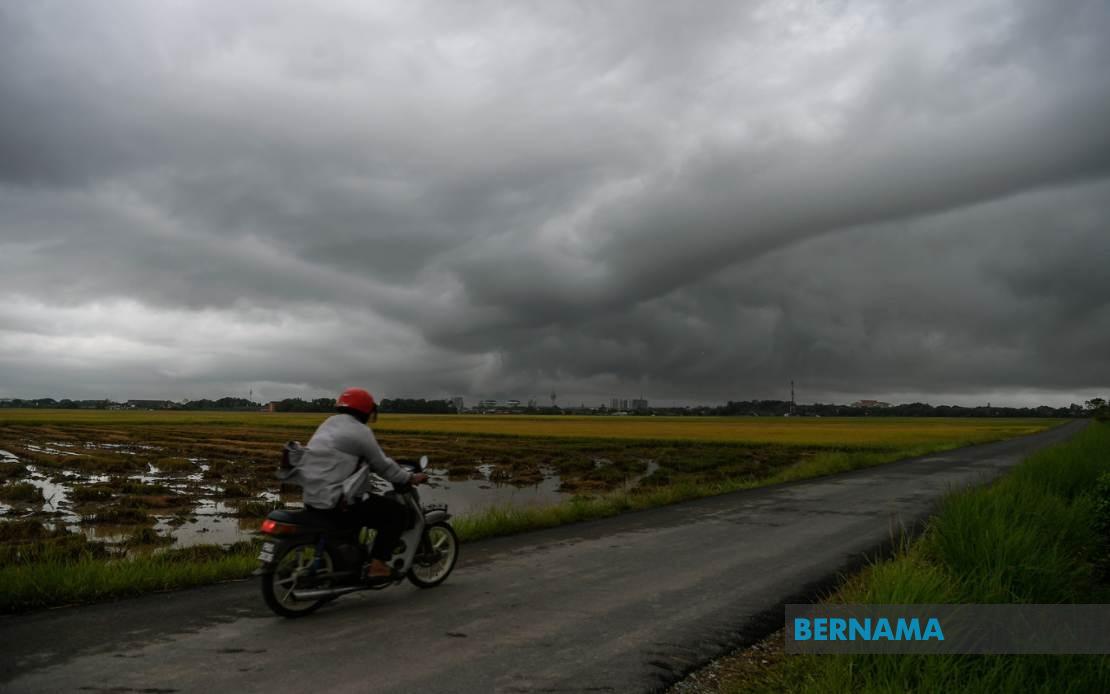
The Malaysian Meteorological Department has cautioned residents across eight states to remain alert for severe weather developments, with forecasters predicting intense thunderstorms and substantial rainfall to persist through the evening hours. The warning, which remains in effect until 6 pm, encompasses regions across Peninsular Malaysia and East Malaysia, reflecting the widespread nature of the atmospheric disturbance affecting the country.
The adverse conditions are anticipated to impact several districts in the northern Kedah state, specifically targeting the Kota Setar, Yan, Pendang, Kuala Muda, and Sik zones. These areas, which include significant population centers and agricultural regions, face the prospect of disrupted services and potential flooding in low-lying localities. The Perak state warning similarly focuses on vulnerable zones, with Manjung and Perak Tengah identified as areas requiring heightened preparedness for the incoming weather system.
Central and eastern regions of Peninsular Malaysia are equally affected by the meteorological alert. Terengganu's Kemaman district, a coastal area prone to weather-related complications, has been flagged for monitoring. The warning extends to Pahang's Kuantan, an economically important port city where heavy rainfall could disrupt maritime and commercial activities. In Selangor, the densely populated Hulu Langat district faces potential challenges from the weather event, while Negeri Sembilan's Jelebu and Seremban areas have been included in the precautionary measures.
East Malaysia has not been spared from the meteorological concerns. In Sarawak, MetMalaysia identified Sarikei in the Sibu division alongside Mukah, encompassing the Tanjung Manis and Daro areas, as zones requiring weather vigilance. These regions, situated in Sarawak's river delta areas, are particularly susceptible to water-related hazards during periods of intensive precipitation. The alert underscores the importance of heightened awareness in communities where flooding risks are endemic during heavy rainfall periods.
Sabah's northern regions face similarly concerning prospects. The Interior Division, which includes Keningau and Tambunan, sits in elevated terrain where thunderstorm activity can create rapidly developing hazardous conditions. The West Coast Division, encompassing Papar and Penampang, represents another critical zone where infrastructure and communities require protective measures. Additionally, Sandakan's Kinabatangan area, a region known for its ecological sensitivity and agricultural dependence, has been included in the weather warning protocols.
Thunderstorms of the magnitude described in the meteorological alert represent a multifaceted threat to Malaysian communities and infrastructure. Beyond the immediate dangers of lightning strikes and electrical hazards, such systems routinely produce localized flooding, particularly in urban drainage-compromised zones and rural areas lacking adequate water management systems. Strong winds accompanying these thunderstorms pose risks to vulnerable structures, transportation networks, and utility lines, with potential cascading effects on electricity supply and telecommunications.
The timing of the warning through the evening hours suggests that the weather system maintains considerable atmospheric energy throughout the daylight period. Meteorologists typically issue such warnings when models indicate sustained instability in the lower atmosphere, driven by moisture convergence and thermal heating. The geographic spread of the alert across both western and eastern Malaysia indicates that the triggering mechanism is likely a large-scale weather pattern rather than isolated localized phenomena.
For Malaysian residents and businesses, the practical implications extend beyond mere inconvenience. Companies relying on just-in-time supply chains, particularly in manufacturing and retail sectors, may experience disruptions. Agricultural operations, especially during critical growing periods, could face crop damage from wind and hail. Transportation networks, including the extensive highway system and air services, require contingency planning for weather-related delays and safety constraints.
The alert serves as a reminder of Malaysia's geographical vulnerability to tropical weather systems. Located near the equator with abundant maritime moisture sources, the country experiences recurring episodes of severe convective weather, particularly during monsoon transitions and inter-monsoon periods. Climate patterns suggest that such events may intensify in frequency and intensity, necessitating ongoing enhancement of early warning systems and community preparedness infrastructure.
Malaysians are advised to take standard precautions during severe weather episodes: securing loose outdoor items, avoiding unnecessary travel, staying informed through official meteorological communications, and ensuring electrical safety protocols are maintained. The relatively early conclusion time of 6 pm for the warning suggests that evening conditions are expected to stabilize, though localized impacts may persist in affected areas.

