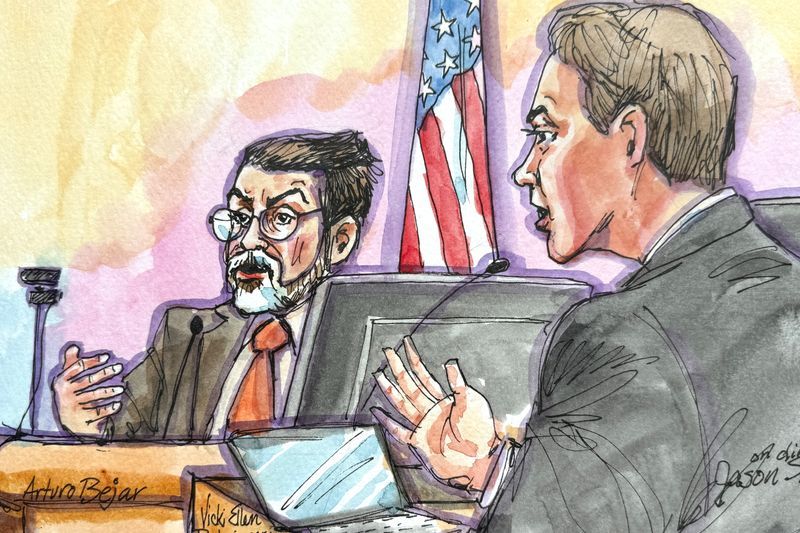
A former Meta engineering director who spent years inside the social media giant's product teams is continuing his testimony in a high-stakes trial that could force sweeping changes to Facebook and Instagram. Arturo Bejar, who held leadership positions at Meta during two separate stints spanning 2009 to 2015 and 2019 to 2021, has emerged as a central witness in what legal experts describe as the most significant courtroom examination yet of social media's impact on the mental health and safety of young people.
The Oakland, California federal trial pits a coalition of four states—California, Colorado, Kentucky and New Jersey—against Meta in claims alleging the company deliberately engineered its platforms to exploit adolescent psychology and generate addiction. Beyond those four jurisdictions, a further 29 states have joined the case with allegations that Meta violated federal data protection laws by systematically harvesting and misusing personal information from children under 13. The proceedings, now in their opening week, are expected to run for six weeks, with Bejar serving as the prosecution's first major witness following initial statements from both sides.
Bejar's significance to the case rests on his direct involvement in internal efforts to measure the wellbeing of Instagram's teenage users between 2019 and 2021. During this period, he led research teams tasked with surveying teen experiences and documenting how the platform affected young people. According to his testimony, he repeatedly escalated concerns to Meta's senior leadership about the genuine harm being experienced by adolescents, documenting what he characterizes as a substantial disconnect between the company's public safety claims and the reality users faced. He recounted sending emails directly to Chris Cox, Meta's chief product officer, outlining evidence of this gap.
One of Bejar's core criticisms centres on what he describes as flawed internal surveillance mechanisms at Meta. The company's monitoring systems, he testified, prioritized measuring how frequently content violated stated community policies rather than assessing the actual damage such content inflicted on users. This distinction carries considerable weight: a post might technically breach Meta's guidelines but cause minimal real-world harm, while other content could devastate a vulnerable teenager despite technically complying with written rules. When asked about his findings, Bejar told the jury that young people reported experiencing harm at extraordinarily elevated rates—a reality, he suggested, that any responsible parent would have demanded transparency about.
Meta has mounted a vigorous defense, denying all allegations and emphasizing its purported commitment to teen safety across its platforms. The company argues that Bejar's opinions exceed what his actual responsibilities and access would have entitled him to claim, attempting to limit the scope and credibility of his expert assessment. Additionally, Meta previously tried to prevent Bejar from testifying altogether, arguing that he had improperly destroyed evidence by deleting past communications with former colleagues through the encrypted messaging app Signal. Federal Judge Yvonne Gonzalez Rogers, overseeing the Oakland proceeding, rejected Meta's effort to exclude him, characterizing the attempt as a desperate tactical maneuver that lacked merit.
Bejar's emergence as a persistent thorn in Meta's side predates the current trial. In 2023, he appeared before the US Senate, providing public testimony that the Facebook and Instagram parent company possessed full awareness of harassment campaigns and other serious harms affecting teenagers on its platforms yet deliberately failed to take corrective action. His willingness to speak publicly, combined with detailed insider knowledge of company decision-making, has made him invaluable to legal teams pursuing Meta.
This Oakland case exists within a much broader legal landscape. Meta currently faces thousands of civil lawsuits alleging harm to children, many initiated by families seeking compensation for documented mental health deterioration, self-harm, and in tragic cases, suicide. Bejar has already testified as a key witness in three cases that reached trial, demonstrating his credibility and usefulness to plaintiffs. Most notably, a case brought by New Mexico earlier resulted in Meta paying damages and penalties totalling $942 million, plus mandatory changes to how the company operates its platforms within that state. This outcome provides a template for what other jurisdictions might pursue and demonstrates that courts are willing to hold Meta accountable on a substantial scale.
The implications of the Oakland trial extend beyond individual compensation or state-level policy changes. The proceedings represent a fundamental examination of whether technology companies can be held legally responsible when internal research documents potential harms but executives prioritize growth and engagement metrics instead. It questions whether regulatory frameworks adequately protect minors in digital environments designed by the world's most sophisticated engineers and psychologists. For Malaysia and Southeast Asia more broadly, the outcome carries significance because Meta's platforms operate across the region with millions of young users, and any binding changes to Facebook and Instagram's safety architecture would necessarily affect teenagers throughout ASEAN countries.
The trial's duration of six weeks suggests the states are preparing comprehensive evidence, with Bejar's testimony serving as the opening salvo. His consistent message—that Meta possessed knowledge of youth harms but deprioritized addressing them—directly contradicts the company's public positioning. As the trial proceeds, additional witnesses will likely expand on the institutional and cultural factors that permitted such gaps between internal knowledge and external safety claims. The case ultimately forces a reckoning about whether platform design choices that maximize engagement inherently conflict with the welfare of young users, and whether existing laws provide adequate remedy when they do.

