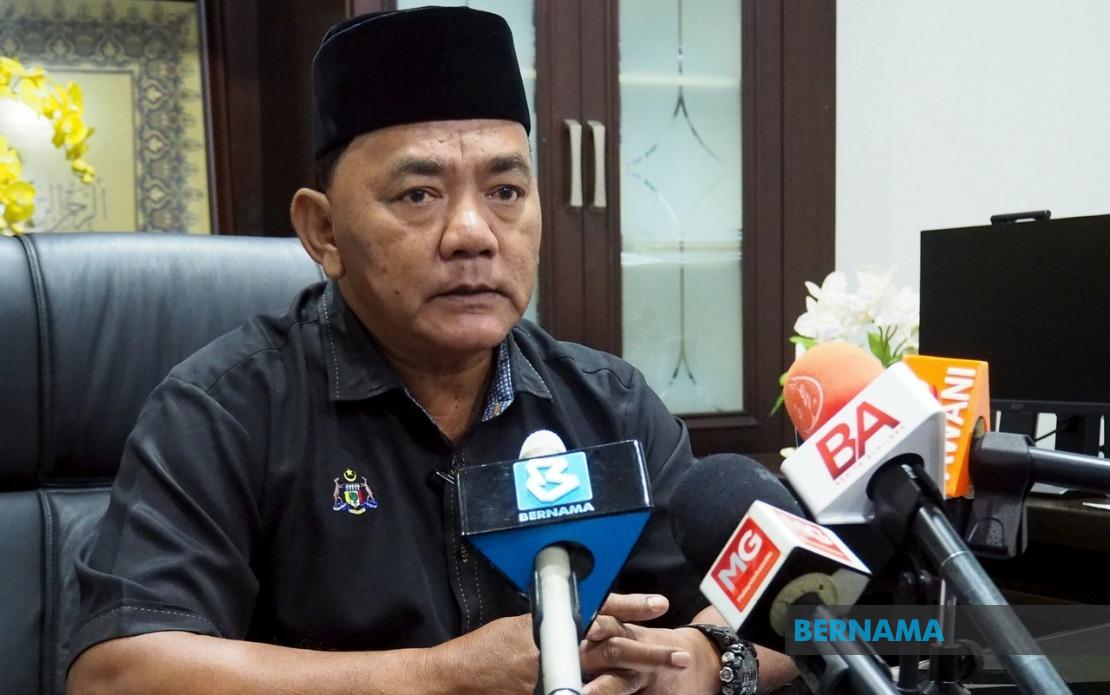
Melaka's government is moving forward with plans to establish a Main Syariah Court during 2025, marking a significant structural upgrade to the state's Islamic judicial framework. According to Datuk Rahmad Mariman, chairman of the State Education, Higher Education, and Religious Affairs Committee, the new court will function as an additional tier within Melaka's existing Syariah judicial hierarchy, subject to completion of the required legislative procedures. The implementation timeline depends on amendments to the relevant enactment being successfully tabled and passed at the State Assembly, underscoring the formal constitutional steps needed to bring this institution into operation.
The establishment of this Main Syariah Court forms part of a broader modernisation package that Melaka authorities are pursuing through two key legislative instruments: the Melaka Syariah Courts Bill and the Syariah Court Civil Procedure (Court Fees) Rules. These reform efforts signal a concerted push by the state to enhance the efficiency and accessibility of its Islamic judicial system, addressing longstanding concerns about case backlogs and procedural delays that affect Muslim Malaysians seeking resolution in family law, inheritance disputes, and other Syariah-related matters. By creating an intermediate appellate level, the new court is expected to reduce the burden on higher courts and provide litigants with clearer pathways for legal recourse.
Beyond establishing the physical court structure, the Melaka government is simultaneously tackling internal administrative challenges within the Syariah judiciary. The reforms include a streamlined appointment process for Syarie judges, which currently faces criticisms regarding transparency and merit-based selection. Such procedural improvements are vital for building public confidence in the judicial system and ensuring that qualified legal professionals fill vacancies without unnecessary delays. These changes reflect a growing recognition among Malaysian state governments that Islamic courts require modern administrative practices comparable to their civil counterparts, not merely incremental adjustments to outdated systems.
The timing of this announcement comes as Melaka's Syariah Court demonstrates measurable productivity improvements. Between January 2024 and August 2024, the state's Islamic court resolved 11,037 cases out of a total caseload of 13,424 civil and criminal matters, achieving an 82 per cent resolution rate. This performance metric suggests that the court system, despite resource constraints, is managing to keep pace with public demand for judicial services. The relatively high clearance rate indicates either effective case management or, alternatively, potential concerns about whether rushed decisions are being prioritised over thorough adjudication—a tension that typically exists in busy courts across the region.
Datuk Rahmad emphasised that the Syariah Court's institutional mission extends well beyond the mechanical resolution of disputes. He characterised the court as a foundational pillar supporting family stability and broader social cohesion, framing Islamic judicial service within a comprehensive vision of community welfare. This perspective aligns with contemporary debates in Malaysia about the role of religious institutions in strengthening civil society and preventing family breakdown through accessible, efficient legal mechanisms. The characterisation also reflects pressures that Islamic courts face to demonstrate relevance and effectiveness in competing with alternative dispute-resolution mechanisms, including mediation services and community-based reconciliation programmes that have gained traction in recent years.
Accompanying these structural reforms, Melaka authorities launched the Syariah Court Mahabbah Programme 2026, an outreach initiative designed to increase public awareness and understanding of Syariah judicial processes. The programme brings the Islamic court system into closer contact with ordinary residents, helping individuals understand their rights, obligations, and the proper legal channels to pursue when confronted with family disputes or Syariah-related legal questions. Such public education initiatives are particularly important in Malaysia, where misconceptions about Islamic law and procedural barriers often prevent eligible parties from accessing available judicial remedies. The Mahabbah Programme reflects best practices observed in several Southeast Asian jurisdictions, where courts have found that simple awareness campaigns significantly reduce case processing times by ensuring better-prepared litigants.
The Melaka Mufti Datuk Abdul Halim Tawil and Chief Syarie Judge Azzeman Omar participated in the programme's launch at the Melaka Syariah Court Complex in Ayer Keroh, indicating high-level institutional commitment to these reforms. Their attendance signals that the judicial establishment itself views these changes as strategic priorities rather than marginal administrative adjustments. This alignment between political leadership, religious authority, and judicial management is essential for successful implementation of complex institutional reforms, particularly in contexts where multiple layers of governance must coordinate to achieve legislative and operational objectives.
The establishment of the Main Syariah Court also carries implications for the broader Malaysian context beyond Melaka's boundaries. As states compete to enhance their Islamic judicial systems and attract public confidence, Melaka's initiative may prompt other state governments to reassess their own Syariah court structures. The federal system of governance in Malaysia means that each state maintains considerable autonomy over Islamic affairs, resulting in significant variation in judicial efficiency and modernisation levels across the peninsula. If Melaka's new court structure demonstrates tangible improvements in case resolution times and public satisfaction, other states may adopt similar models, gradually creating greater standardisation across the country's decentralised Islamic judicial system.
However, the success of these reforms will depend on adequate resource allocation and sustained political commitment beyond the initial implementation phase. Creating new institutional structures often generates enthusiasm during the launch period, but maintaining operational standards requires consistent funding, staff training, and quality oversight. Malaysia's experience with state-level institutional reforms suggests that implementation gaps frequently emerge when initial political momentum diminishes or budgetary pressures arise. The Melaka government's ability to provide necessary infrastructure, technology systems, and qualified personnel will ultimately determine whether the Main Syariah Court becomes a genuine improvement or merely adds another bureaucratic layer without substantially benefiting users of the system.
The reform package also reflects wider conversations within Malaysia about religious governance and institutional modernisation. As Islamic institutions play increasingly prominent roles in Malaysian public life, there is growing emphasis on ensuring they operate according to contemporary standards of efficiency, transparency, and accessibility. The Syariah Courts Bill and associated procedural rules represent attempts to codify best practices and create more predictable, uniform processes across the state's Islamic judicial system. These efforts, while sometimes controversial among observers concerned about secular legal principles, are increasingly viewed by pragmatic policymakers as necessary for maintaining public confidence in institutions that have significantly expanded jurisdictional reach over recent decades.
State authorities simultaneously announced plans for the Maulidur Rasul celebration scheduled for August 29 at Dataran 1Malaysia Klebang, featuring awards recognising excellence in Islamic institutional administration. This cultural and religious commemoration provides a platform for celebrating and reinforcing the state's commitment to Islamic governance while rewarding individuals and organisations that contribute to strengthening Islamic institutions. The connection between such celebratory events and substantive policy announcements reflects the integrated approach that Malaysian state governments increasingly adopt, linking religious observance, institutional recognition, and policy reform within a coordinated strategy to enhance both the perception and reality of effective Islamic administration.

