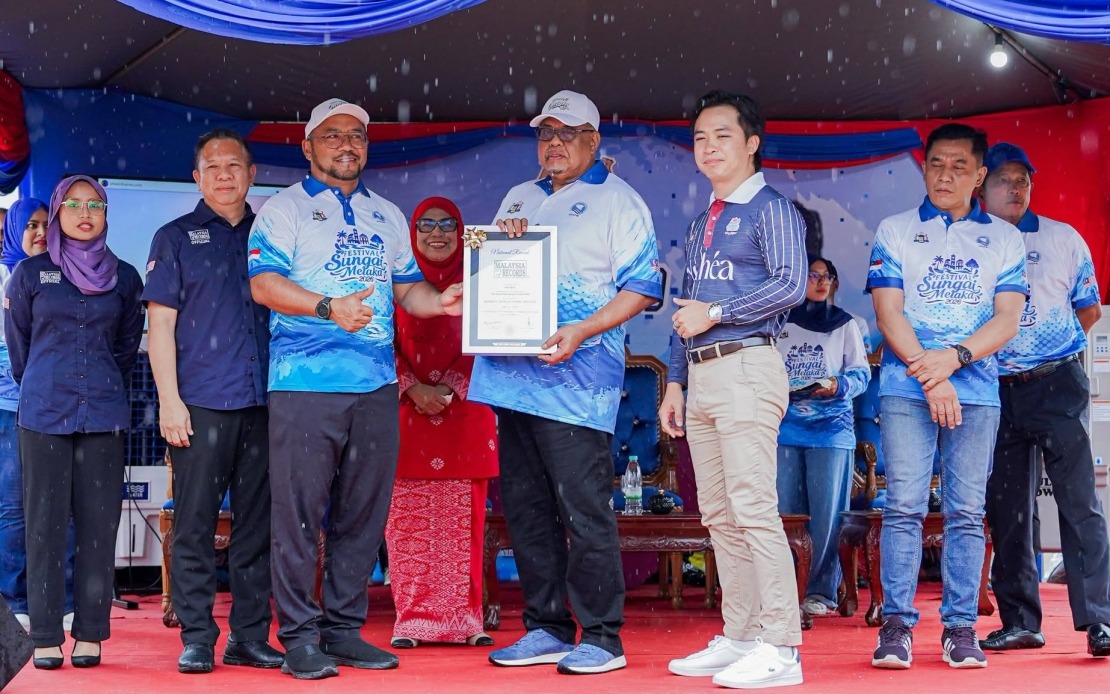
The Melaka River Cruise is poised to become an even more significant draw for Malaysia's tourism sector, with the Perbadanan Pembangunan Sungai dan Pantai Melaka (PPSPM) expressing confidence in achieving one million passenger journeys by the close of 2024. The ambitious target reflects growing momentum in state tourism recovery and positions the historic waterway as a cornerstone attraction in Southeast Asia's competitive leisure market. Speaking at a media briefing in Melaka, PPSPM chief executive officer Shaharul Azuar Idris indicated that the operator has already logged approximately 350,000 passengers through June, establishing a reasonable trajectory toward the year-end milestone despite needing to capture 60 per cent of the targeted volume in the remaining months.
The Melaka River Cruise represents a unique convergence of heritage tourism and modern entertainment infrastructure. The scenic journey along the waterway appeals to both domestic travellers and international visitors seeking authentic experiences beyond conventional hotel-based tourism. The attraction has evolved significantly over the past decade, moving from a basic sightseeing venture to a diversified offering that encompasses dining experiences, themed cruises, and premium boat selections. This transformation mirrors broader trends across Southeast Asia where regional tourism boards increasingly recognise that immersive, experience-driven attractions command higher spending and repeat visitation rates compared to passive sightseeing.
To realise its growth ambitions, PPSPM has implemented a multi-pronged strategy combining service enhancement with targeted promotional activities. The operator is intensifying marketing efforts across domestic and international markets, positioning the Melaka River Cruise as an indispensable tourism product. These campaigns leverage digital channels and partnerships with travel agencies to reach potential visitors across Malaysia, Singapore, and beyond. The underlying rationale is sound: as regional tourism increasingly fragments across multiple destinations, capturing market share requires sustained visibility and differentiated messaging that emphasises unique cultural and environmental attributes unavailable elsewhere.
The fleet modernisation programme underscores management's commitment to maintaining competitive service standards. Currently, PPSPM operates 60 vessels across two distinct services—30 dedicated to the primary Melaka River Cruise and an additional 30 serving the Eco Cruise at Tasik Chinchin, a complementary attraction targeting environmentally-conscious travellers. Premium offerings including the 'Everlasting Love Boat' and 'Tun Khalil Cruise' have undergone upgrades with contemporary amenities and dining-on-board services. While proposals for introducing next-generation boats equipped with advanced technologies remain under evaluation, this measured approach to capital investment reflects prudent financial stewardship, particularly given post-pandemic revenue volatility in the tourism sector.
The passenger volume trajectory carries significant implications for Melaka's broader economic development strategy. Tourism generates employment across hospitality, transportation, retail, and cultural sectors, creating multiplier effects throughout local economies. A million annual passengers represents approximately 2,740 daily journeys, translating to sustained demand for supporting services including accommodation, food and beverage operations, retail establishments, and transportation infrastructure. The state government's backing for tourism expansion, evidenced by Melaka Chief Minister Datuk Seri Ab Rauf Yusoh's presence at recent promotional events, suggests alignment between private sector initiatives and public policy priorities.
The Melaka Sayang Rakyat (MeSRa) initiative demonstrates how promotional activities can serve dual objectives—stimulating consumer demand whilst building political goodwill. The programme's commitment to providing free rides for more than 5,000 visitors during National Day celebrations on August 31 represents strategic investment in experiential marketing. First-time visitors exposed to high-quality experiences often convert to repeat customers and advocates, generating word-of-mouth promotion considerably more credible than paid advertising. This customer acquisition approach proves particularly effective in Asian markets where social recommendations carry substantial influence on travel decisions.
Operational readiness constitutes a critical success factor often overlooked in tourism planning. Shaharul Azuar's explicit commitment to adequate staffing and vessel availability reflects understanding that service delivery failures—extended queues, lengthy wait times, overcrowded boats—generate negative impressions that damage brand reputation and deter repeat visitation. The region's most successful tourism destinations maintain strict standards regarding customer experience consistency across peak and off-peak periods. Melaka's ability to maintain this discipline whilst scaling to one million annual passengers will substantially influence whether this growth trajectory proves sustainable or gives way to quality degradation and declining satisfaction.
Regional competitive dynamics warrant consideration as well. Throughout Southeast Asia, riverside attractions in Bangkok, Phnom Penh, and Yangon command substantial visitor volumes through combinations of heritage significance, dining experiences, and convenient urban accessibility. Melaka's advantageous positioning within Malaysia's western economic corridor, proximity to Kuala Lumpur, and established UNESCO World Heritage status provide competitive advantages. However, maintaining differentiation requires continuous innovation in service offerings, maintenance of environmental quality, and authentic cultural programming that transcends superficial tourist experiences.
The financial implications of achieving the one million passenger target could prove transformative for PPSPM's operational capacity and capital expansion plans. Revenue of this scale, particularly when combined with premium tier experiences commanding higher per-passenger yields, enables reinvestment in fleet modernisation, dock infrastructure improvements, and staff development programmes. This virtuous cycle of revenue growth financing service enhancement creates sustainable competitive advantage, particularly against smaller or less professionally managed competitors in neighbouring states or countries.
Looking forward, the one million passenger target represents not merely an ambitious numeric goal but a strategic inflection point for Melaka's tourism positioning. Success would validate the investment thesis underlying PPSPM's operational model and provide momentum for expanding complementary attractions and experiences. Conversely, falling short would necessitate strategic reassessment regarding market positioning, pricing strategies, and promotional effectiveness. For Malaysian tourism authorities and regional stakeholders monitoring visitor trends, the Melaka River Cruise trajectory offers valuable insights into domestic leisure preferences and the viability of heritage-based tourism development models within Southeast Asia's evolving travel landscape.

