Melaka's occupational safety landscape has come under fresh scrutiny as authorities revealed that 277 workplace accidents resulting in varying degrees of disability were recorded during the opening six months of 2026. The incidents spanned multiple economic sectors across the state, prompting renewed focus on workplace practices and employer accountability. Three of these cases proved fatal, with two occurring in construction and one in manufacturing operations, according to officials overseeing workplace safety enforcement in the state.
Ramesh Zakir Shamsul, who heads Melaka's Department of Occupational Safety and Health, noted that while the accident figures suggest conditions remain relatively stable compared to broader regional trends, the department maintains constant vigilance over industrial operations throughout the state. His characterisation of the situation as "relatively under control" reflects cautious optimism, though the persistence of serious incidents underscores the ongoing challenges facing Malaysian workplaces. The pattern of fatalities concentrated in construction and manufacturing reflects longstanding sectoral vulnerabilities that have concerned regulators across Southeast Asia.
Under the Occupational Safety and Health Act 1994, every workplace accident must be formally reported by employers, triggering detailed investigations designed to identify causal factors and implement preventive measures. This legislative framework, now more than three decades old, forms the backbone of Malaysia's worker protection system. Ramesh Zakir emphasised that compliance with these notification and investigation requirements remains essential, with DOSH conducting thorough examinations of each reported incident to ensure occupational safety standards are upheld. The regulatory approach balances accountability with developmental objectives, a tension increasingly relevant as Malaysia pursues economic growth.
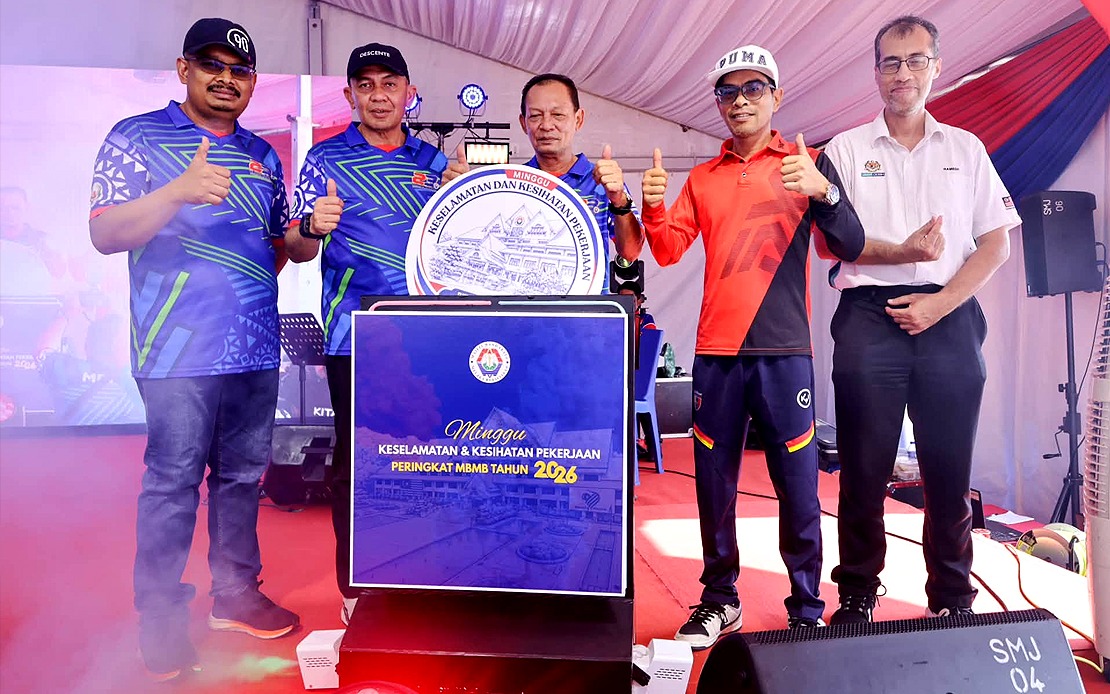
The statistics were unveiled during the launch of Melaka Historic City Council's 2026 Occupational Safety and Health Week celebrations, an annual initiative aimed at elevating awareness among employers, workers, and the general public. The event was officiated by Datuk Zulkiflee Mohd Zin, the state deputy senior executive councillor overseeing housing, local government, and disaster management portfolios. This multi-agency gathering highlighted how occupational safety has become integrated into broader state governance frameworks, reflecting the Malaysian government's commitment to comprehensive workplace standards.
The collaboration between DOSH and local municipal authorities like Melaka Historic City Council represents an increasingly sophisticated governance approach to workplace safety. Rather than treating occupational health as a narrow regulatory function, state and federal agencies now recognise the importance of involving municipal governments, which possess direct relationships with businesses and construction sites within their jurisdictions. This institutional coordination has proven valuable in disseminating best practices and conducting awareness campaigns more effectively at grassroots levels.
Ramesh Zakir acknowledged that responsibility for workplace safety cannot rest exclusively with government agencies. Instead, employers bear fundamental obligations to create safe working environments and to instil safety consciousness among their workforce. The shared responsibility model increasingly adopted across Malaysia's public sector reflects contemporary understanding that top-down regulation alone proves insufficient without genuine organisational commitment to safety culture. Melaka Historic City Council's contributions to awareness-raising efforts through workshops and information sessions demonstrate how municipal partners can amplify government messaging and reach diverse business communities.
The accident statistics for Melaka occur against a backdrop of rapid industrial development and construction activity across the state. As Malaysia pursues urbanisation and infrastructure modernisation, particularly in states like Melaka with significant tourism and manufacturing economies, workplace hazards multiply. Construction sites expanding hotel and residential facilities, manufacturing plants producing consumer goods and components, and logistics operations handling increased regional trade volumes all generate inherent risks that require sustained management. The clustering of fatalities in construction and manufacturing reflects the particular hazards present in these labour-intensive sectors.
Workers across Melaka's diverse economic sectors face distinct safety challenges shaped by their industry's characteristics. Construction labourers encounter fall hazards, equipment-related dangers, and inadequate protective infrastructure. Manufacturing employees face machinery-related injuries and exposure to hazardous materials. Service sector workers, though less represented in fatal statistics, experience ergonomic strain and other injuries requiring attention. Understanding these sectoral patterns enables DOSH to calibrate its enforcement priorities and develop targeted intervention programmes, from site inspections to training initiatives.
The commitment to occupational safety reflects Malaysia's broader development agenda. As the nation seeks to transition toward higher-value economic activities and attract skilled international investment, workplace standards become increasingly important. Multinational corporations evaluating Malaysian locations consider safety records alongside other factors. Progressive employers recognise that safe workplaces improve productivity, reduce costly accidents and related compensation expenses, and enhance workforce retention and morale. These economic incentives increasingly align with regulatory requirements and moral obligations to protect workers.
Moving forward, DOSH and its partners face the challenge of sustaining momentum beyond awareness weeks and into operational reality. Translating the commitment articulated by Datuk Zulkiflee, Mayor Datuk Shadan Othman, and other officials into consistent enforcement and genuine behaviour change requires sustained effort. Melaka's specific challenge involves ensuring that rapid development does not outpace safety capacity, that small and medium enterprises receive adequate guidance and support, and that workers themselves become empowered to identify and report hazards without fear of retaliation.
The three fatalities recorded in Melaka's first half of 2026 represent not merely statistical entries but profound personal tragedies affecting families and communities. Each death serves as a sobering reminder of the human cost of inadequate safety practices. While 277 accidents might appear numerically manageable, the accumulation of injuries across months fundamentally impacts workers' wellbeing and economic security. For Malaysia and the Southeast Asian region, this case study in Melaka underscores the ongoing tension between economic dynamism and worker protection that will define industrial relations across the coming decade.

