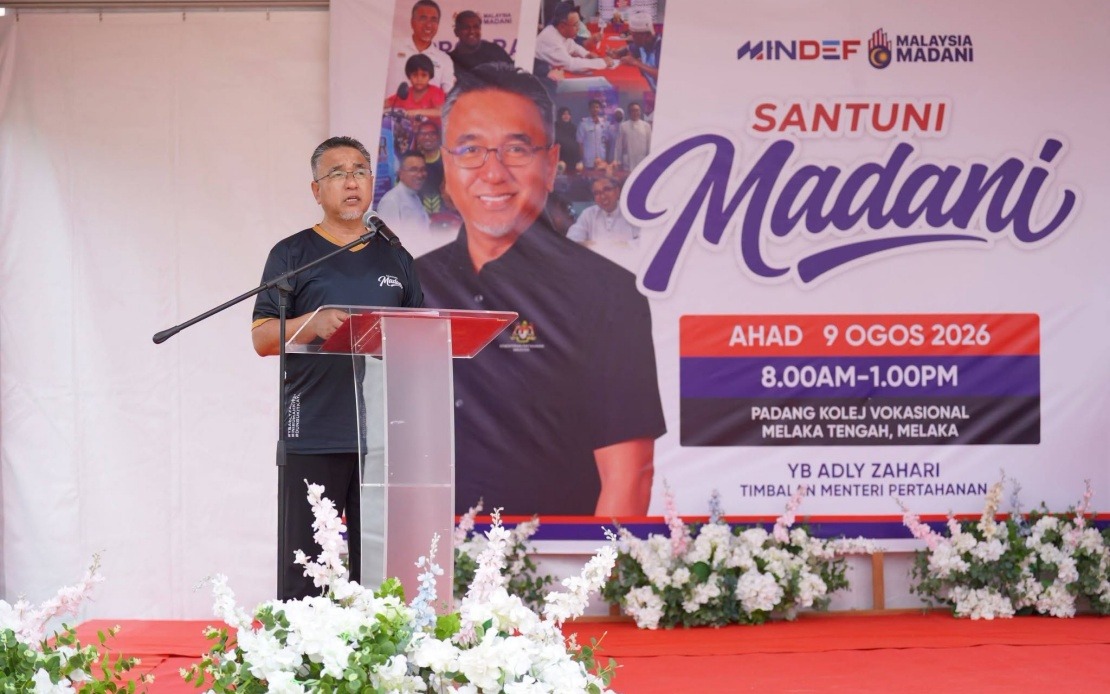
Melaka's Pakatan Harapan leadership has indicated it will entertain discussions with prospective political partners for the forthcoming state election, though no binding agreements have yet materialised. Speaking after attending the Bukit Katil Santuni MADANI Programme at Melaka Tengah Vocational College, PH chairman Adly Zahari outlined the coalition's cautious approach to potential collaboration, emphasizing that various cooperative models remain on the table but require careful deliberation.
The timing of these overtures reflects broader strategic considerations within the Malaysian opposition landscape, where coalitions have increasingly become fluid and negotiable rather than fixed entities. Adly's comments suggest that PH is not limiting itself to internal consolidation alone, but is actively exploring how external partnerships could strengthen its electoral position in Melaka. This approach contrasts with the more rigid alliance structures that characterised Malaysian politics in earlier decades, pointing toward a more pragmatic, seat-by-seat negotiation model that has gained traction across Southeast Asian democracies.
Two preliminary meetings have been convened to evaluate PH's organisational readiness and electoral viability, though these discussions have so far remained within the coalition's internal mechanisms. The coalition has notably not yet engaged in formal talks with Melaka Barisan Nasional, despite suggestions that such engagement might prove mutually beneficial. However, Adly stressed that any future cooperation would need to align with the broader Malaysia MADANI developmental agenda, indicating that ideological consistency rather than mere electoral calculation will shape negotiations.
The strategic focus of Melaka PH's expansion efforts centres on three parliamentary constituencies where the coalition previously secured victories: Alor Gajah, Kota Melaka, and Hang Tuah Jaya. These strongholds are expected to form the bedrock of PH's state-level campaign. Beyond these reliable bases, the coalition has identified three additional constituencies—Tangga Batu, Masjid Tanah, and Jasin—as presenting genuine opportunities for growth. This deliberate targeting reflects sophisticated electoral analysis aimed at converting parliamentary support into assembly representation, a transition that does not always occur seamlessly.
Currently, PH holds only five of Melaka's twenty-eight state legislative seats, a figure that substantially understates the coalition's popular support in certain areas. This gap between vote share and seat allocation represents both a challenge and an opportunity. Adly expressed considerable optimism about the coalition's capacity to add to this base, though he refrained from specifying an exact target number. The deliberately measured language suggests internal discussions remain fluid and that leadership is hesitant to commit to publicly announced figures that might create liability if unmet.
The Melaka political environment presents distinctive characteristics that differentiate it from other Unity Government jurisdictions, according to Parti Keadilan Rakyat's state leadership. Adam Adli Abd Halim, acting chairman of PKR's State Leadership Council, noted that local dynamics require careful calibration, implying that strategies effective in other states may prove counterproductive in Melaka's particular context. This acknowledgment of regional political specificities reflects growing sophistication among Malaysian political operators who increasingly recognise that one-size-fits-all national strategies often stumble when applied across diverse state-level constituencies.
While no formal negotiations with Barisan Nasional have yet commenced, PKR representatives have maintained informal communication channels with their BN counterparts. Adam Adli indicated that individual party members and representatives are exploring potential areas of common ground through unofficial discussions, a pattern common in Malaysian politics where substantive negotiations often occur beneath the surface of public pronouncements. This deliberate separation between formal and informal engagement allows political actors to preserve flexibility and maintain exit options should negotiations prove fruitless.
The PKR leadership has also placed emphasis on ensuring that current state assemblymen remain focused on constituency work and public service delivery rather than becoming consumed by political positioning. This directive suggests concern that premature or excessive political manoeuvring could alienate voters who have grown weary of coalition instability and leadership conflicts. The instruction to avoid inflammatory political rhetoric reflects a strategic calculation that social consensus and voter goodwill represent valuable assets that can be squandered through internal bickering.
For Malaysian observers, the Melaka situation encapsulates broader tensions within Malaysia's opposition landscape. The Pakatan Harapan coalition, while having achieved federal government status during 2018-2020, continues to grapple with structural challenges related to seat distribution and coalition management. Melaka represents a microcosm of these larger dynamics, where ideological coherence must be balanced against electoral pragmatism and where the desire for growth must be negotiated against the preferences of established coalition partners.
The timing of these negotiations also occurs against the backdrop of federal political developments, with the Unity Government's stability potentially influencing state-level coalition calculations. Political actors in Melaka are undoubtedly monitoring how negotiations unfold at the national level, recognising that state and federal dynamics often become intertwined in Malaysian politics. The outcome in Melaka could therefore carry implications extending well beyond the state itself, serving as either a model for successful opposition revitalisation or a cautionary tale about overextended coalitions.
Looking ahead, the next phases of negotiation will likely clarify whether Melaka PH can expand through internal strengthening alone or whether external partnerships prove necessary. The coalition's confidence in growing its seat count suggests internal assessments indicate genuine expansion potential within existing constituencies. However, the openness to external cooperation signals recognition that electoral competition remains fierce and that optimistic internal projections do not always translate into ballot box results.

