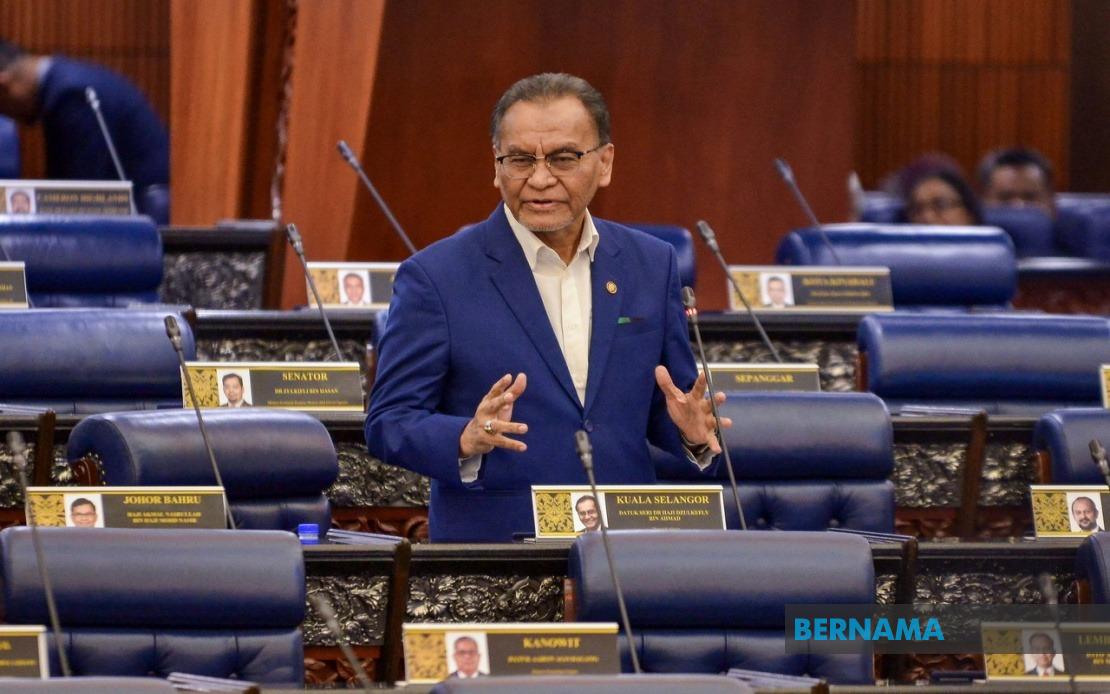
The Malaysian government is taking steps to address growing concerns about healthcare accessibility and affordability by introducing a suite of new insurance and protection schemes. At the forefront of these efforts is MediAsas, a medical insurance and takaful plan specifically designed to bridge the gap between public healthcare services and private medical care costs. Health Minister Datuk Seri Dr Dzulkefly Ahmad unveiled the initiative as part of a comprehensive strategy to ensure both the M40 and B40 income groups maintain sustainable access to quality healthcare without financial hardship.
MediAsas represents a targeted intervention within the broader RESET framework, which addresses the persistent challenge of rising private healthcare costs across Malaysia. The minister emphasised that the scheme targets the middle-income M40 group, who often find themselves in a precarious position—earning too much to qualify for subsidised B40 programmes but struggling to afford expensive private healthcare premiums. By offering medical insurance and takaful products at competitive premium rates, the plan aims to make private healthcare more accessible while maintaining affordability standards that reflect middle-class purchasing power.
The operational mechanics of MediAsas involve a gradual integration of Diagnosis Related Group-based payment mechanisms at participating private hospitals. This technical approach serves multiple purposes: it standardises billing across private institutions, reduces unnecessary procedures, and creates transparency in how private hospitals charge for services. For patients and policyholders, this means predictable costs and clearer documentation of what they are paying for, reducing the shock of unexpectedly inflated medical bills that have become commonplace in Malaysia's private healthcare sector.
Crucially, the Health Ministry stressed that MediAsas is not intended to supplant or diminish Malaysia's public healthcare system, which continues to provide universal coverage funded through taxation. Rather, the new scheme complements existing services and expands the range of options available to Malaysians. This distinction is important, as it signals the government's commitment to maintaining robust public healthcare while acknowledging that some citizens prefer or require private sector care for various reasons, including shorter waiting times, choice of specialists, or family preferences.
The rollout strategy reflects a cautious, phased approach to implementation. MediAsas will launch as a pilot programme in the Klang Valley region by the end of July, involving collaboration with six insurance and takaful companies. This geographical focus on Malaysia's most densely populated urban area allows the government to test the scheme's operational framework, gather data on uptake and claims patterns, and address any teething problems before a nationwide expansion scheduled for January 2027. Such a timeline provides approximately six months of real-world testing before scaling operations across all states.
The inclusion of both insurance and takaful options is particularly significant for Malaysian policyholders. Takaful, rooted in Islamic principles, appeals to the Muslim majority whilst ensuring inclusive coverage options. By offering both products simultaneously, the government accommodates diverse religious and ethical preferences, broadening the potential market and ensuring no segment of the M40 population feels excluded based on their financial or religious convictions.
Beyond MediAsas, the government has strengthened its existing safety net through multiple complementary programmes. The B40 group continues to benefit from an extensive network of 154 hospitals and over 3,000 public healthcare facilities, supplemented by dedicated schemes including PeKa B40, the MADANI Healthcare Scheme, and MySalam. This multi-layered approach ensures that lower-income households are not left vulnerable as healthcare costs rise. The minister's articulation of these programmes together signals a holistic vision of healthcare protection that acknowledges the diverse needs of different income segments.
The RESET framework extends beyond insurance alone. Improving interoperability of electronic medical records across public and private sectors will reduce costly duplication of diagnostic tests and scans, a significant source of unnecessary expense for patients. When a patient's previous imaging results or laboratory findings are immediately accessible to new healthcare providers, expensive repetition becomes avoidable. This technical infrastructure improvement, though less visible than a new insurance product, promises substantial cost savings over time and represents the kind of systemic thinking required to address healthcare inflation sustainably.
Dzulkefly's emphasis on MediAsas addressing specific health challenges faced by the M40 group—particularly pre-existing conditions, non-communicable diseases, and mental health concerns—reveals understanding of demographic vulnerabilities. These conditions, increasingly prevalent in ageing middle-class populations, are often the most expensive to manage privately and the hardest to insure. By explicitly incorporating coverage for NCDs and mental health, MediAsas acknowledges that modern healthcare protection must address the full spectrum of contemporary disease burden, not merely acute episodes.
For Malaysian readers and businesses, the implications are substantial. Employers in the private sector may find MediAsas attractive as a supplementary employee benefit, potentially reducing out-of-pocket healthcare costs for staff. Individuals in the M40 bracket gain a regulated, government-endorsed alternative to unaffordable private insurance whilst retaining choice and avoiding complete dependence on public systems. The scheme also creates pressure on private hospitals to adopt more transparent, standardised billing practices, which ultimately benefits all patients regardless of their insurance status.
Regionally, Malaysia's approach offers lessons for neighbouring Southeast Asian nations grappling with similar healthcare financing challenges. The integration of takaful alongside conventional insurance, the focus on middle-income populations often neglected in developing healthcare systems, and the commitment to strengthening rather than replacing public healthcare provide a blueprint worth studying. As healthcare costs escalate across the region, middle-income countries increasingly require targeted solutions that acknowledge income group realities.
The success of MediAsas will likely depend on several factors: premium pricing that genuinely remains affordable for the target M40 group, widespread participation by insurance and takaful companies, adoption by private hospitals, and simplicity in claims processes. The pilot phase in Klang Valley will be revealing, generating data on whether Malaysians find the scheme genuinely valuable or whether other barriers to healthcare access persist. The government's commitment to nationwide expansion by January 2027 suggests confidence, though the real test will come when millions of middle-income Malaysians must decide whether MediAsas represents genuine value or merely another insurance product among many.

