The Malaysian Communications and Multimedia Commission (MCMC) has been tasked with maintaining reliable internet connectivity throughout the Johor state election campaign, Deputy Communications Minister Teo Nie Ching announced in Pasir Gudang on Wednesday. The directive underscores the increasing importance of digital infrastructure in modern electoral campaigns, as political parties rely heavily on online platforms to reach voters and organise campaign events.
Teo stressed that stable internet access serves as a critical foundation for the smooth execution of political rallies and the dissemination of campaign information to voters across the state. She revealed that she has personally instructed MCMC to implement continuous monitoring protocols, with particular emphasis on areas anticipated to draw substantial crowds during the campaign period. This proactive approach reflects a growing recognition that digital connectivity failures during high-traffic events could undermine campaign effectiveness and limit voter access to campaign messages.
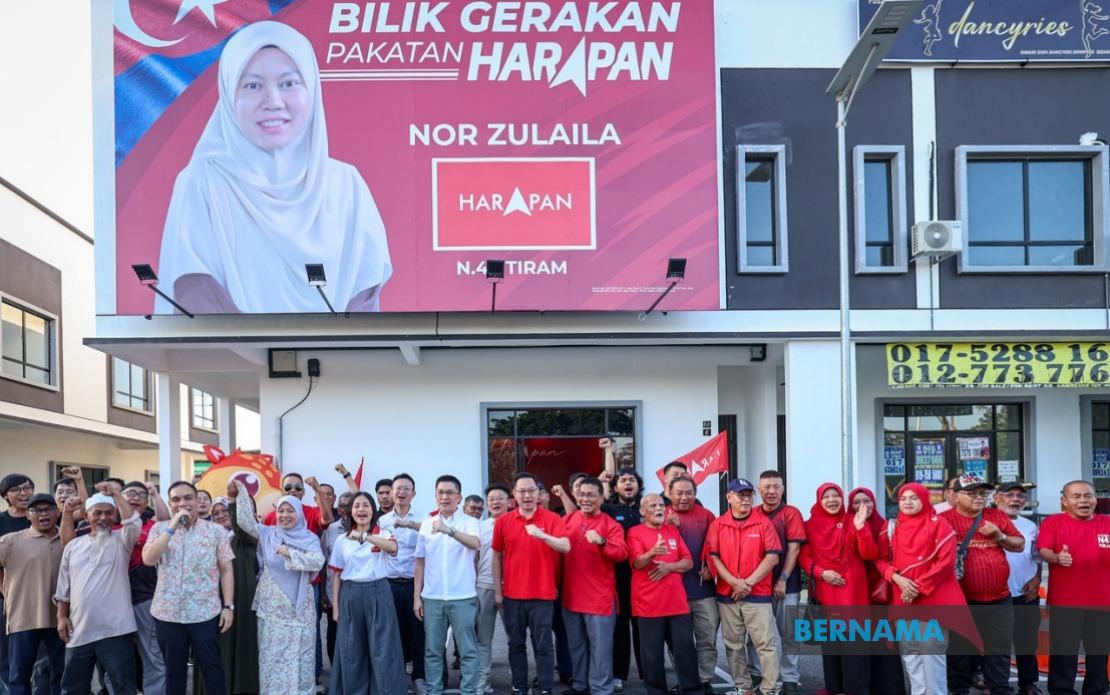
Speaking at the launch of the Pakatan Harapan operations centre for the N40 Tiram constituency at Taman Kota Masai, Teo noted that robust internet infrastructure is integral to conducting organised and impactful campaigns. The operations centre, which also hosted Deputy Education Minister Wong Kah Woh, Bangi MP Syahredzan Johan, Tebrau MP Jimmy Puah Wee Tse, and Tiram candidate Nor Zulaila Abdul Ghani, serves as a hub for coordinating grassroots campaign activities across the urban and suburban areas of the constituency.
As Johor DAP chief, Teo reported encouraging early feedback from voters across the state, suggesting elevated levels of political engagement heading into the election. Ground-level campaign activities have revealed a notably strong inclination among voters to exercise their democratic obligations, including those residing outside their home constituencies who are prepared to return for polling day. This pattern suggests higher anticipated voter turnout, which would place additional strain on polling infrastructure and digital systems used for voter information and campaign coordination.
The timing of these preparations aligns with a compressed electoral calendar. Nomination of candidates is scheduled for June 27, followed by early voting on July 7 and the main polling day on July 11. This tight timeline means campaign organisations have limited time to mobilise supporters and reach voters through conventional and digital channels. The MCMC's enhanced monitoring becomes particularly crucial in this shortened window, as any connectivity disruptions could disproportionately impact campaign reach during the final weeks of campaigning.
Regarding DAP's electoral strategy for the 16th Johor state election, Teo dismissed the notion of "safe seats" within the party's portfolio of 17 contested constituencies. She contended that labeling any seats as secure would foster complacency and dilute campaign intensity in those areas. Instead, DAP intends to allocate comprehensive attention to each constituency, acknowledging that distinct challenges and voter demographics in different areas demand tailored campaign approaches rather than uniform strategies.
This commitment to equal resource allocation across all contested seats reflects a broader strategic calculation about electoral competitiveness in Johor. While some opposition constituencies may appear structurally stronger than others based on historical voting patterns, demographic shifts and shifting voter sentiment can rapidly alter political landscapes. The emphasis on uniform campaign intensity also guards against the possibility of surprise losses in traditionally favourable areas, a risk that has materialised in Malaysian elections when ruling coalitions have taken constituencies for granted.
For Malaysian voters and analysts monitoring the Johor campaign, the MCMC initiative highlights how digital infrastructure has become integral to electoral administration and campaign operations. Beyond enabling campaign activities, reliable internet access affects voters' ability to access candidate information, campaign schedules, and polling day logistics through official channels and party platforms. In constituencies with large urban populations like Tiram, where the operations centre was launched, dependence on digital channels for voter engagement is particularly pronounced.
The election holds significance beyond Johor itself. As a major state with substantial electoral weight and a stronghold of Pakatan Harapan support, the outcome will provide important signals about coalition strength heading toward potential federal elections. The focus on infrastructure preparedness and voter engagement mechanics reflects both the rising stakes of Malaysian electoral contests and the maturation of campaign management practices that now integrate digital and traditional elements.
The MCMC's expanded role in election support also underscores evolving government responsibilities in ensuring election integrity and effectiveness. While the commission primarily regulates communications services, its mandate has implicitly expanded to encompass infrastructure reliability during major national events. This reflects international trends where telecommunications regulators increasingly coordinate with electoral commissions to prevent service disruptions that could disadvantage any participant in democratic processes.

