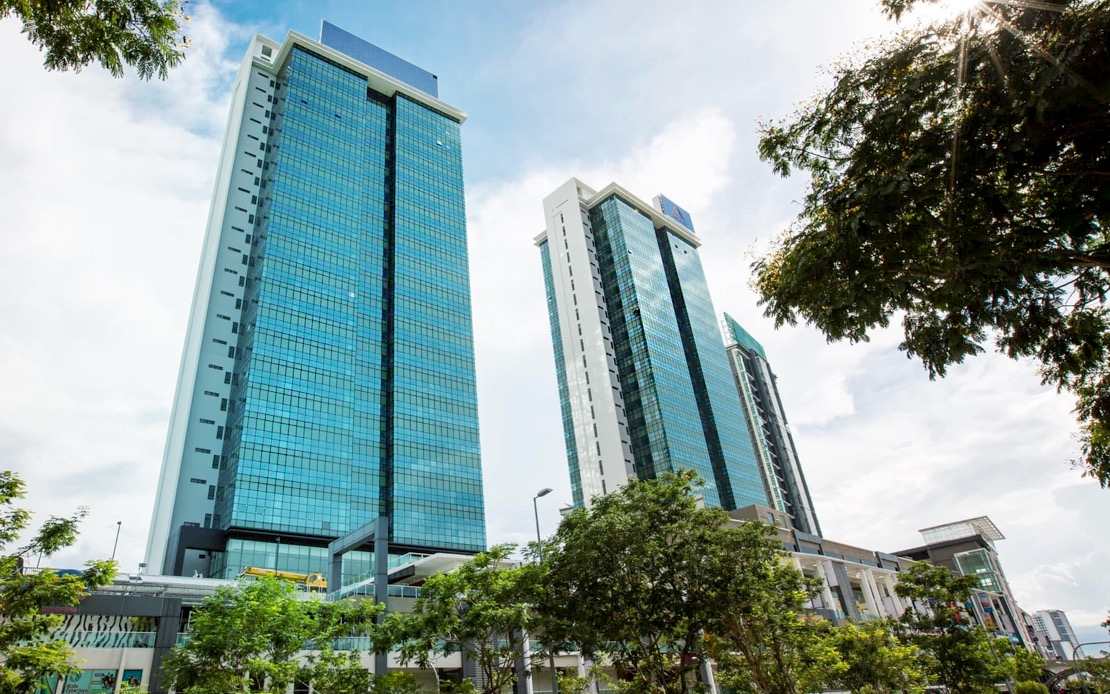
Malaysia is positioning itself as a significant player in global telecommunications policy by hosting the International Regulatory Conference (IRC) 2026 on July 21 and 22 at the Shangri-La Kuala Lumpur. The Malaysian Communications and Multimedia Commission (MCMC) is organising the two-day gathering to strengthen the nation's engagement in international regulatory affairs whilst providing a forum for exchange on the evolving digital landscape. Communications Minister Datuk Seri Fahmi Fadzil is expected to launch the event, signalling the government's commitment to the communications and multimedia sector's regulatory direction.
The conference theme, "Shaping the Next Digital Era: Regulation, Resilience and Trust," reflects pressing concerns facing governments and industry worldwide. As digital technologies proliferate and reshape economies, regulators face mounting pressure to create frameworks that foster innovation without compromising public safety or fundamental rights. The gathering will draw together regulators, telecommunications companies, technology firms and academic specialists to deliberate on strategies for navigating this complex terrain. For Malaysia, hosting such a convening demonstrates confidence in MCMC's capacity to lead conversations about the future of communications governance in the region.
Central to the conference discussions will be the tension between protecting freedom of expression and maintaining national security, particularly on social media platforms where misinformation and harmful content spread rapidly. Regulators globally grapple with this balance, seeking to safeguard citizens whilst respecting democratic principles. The conference will explore how different jurisdictions are approaching content moderation, from policy design to technical implementation. This debate carries particular significance for Southeast Asian nations, where rapid internet adoption has coincided with concerns about election integrity, public health misinformation and communal harmony.
Data privacy and digital innovation represent another critical focus. As companies collect vast quantities of personal information and artificial intelligence systems become increasingly sophisticated, regulators must develop protective measures that do not stifle technological advancement. Malaysia's own data protection framework and regulatory approach will likely feature in these discussions, offering insights to international counterparts whilst benefiting from global best practices. The conference provides an opportunity for MCMC to benchmark its policies against international standards and identify gaps requiring legislative or procedural reform.
The speaker lineup reflects the breadth of expertise required to address contemporary digital challenges. MCMC member Derek John Fernandez will contribute regulatory perspective, whilst Dr Farah Nini Dusuki from the Human Rights Commission of Malaysia (SUHAKAM) brings human rights considerations, particularly regarding child protection in digital environments. International representation includes Saskia Blume from the United Nations Children's Fund (UNICEF), Australian High Commissioner Danielle Heinecke, and Noelle de Guzman, senior director for Regional Affairs at the Internet Society (ISOC). This diverse panel signals the multidisciplinary nature of digital governance, which extends beyond telecommunications into human rights, public health, cybersecurity and technical domains.
Specialised expertise will also feature prominently. Ministry of Health deputy director Dr Vivek Jason Jayaraj can address health-related digital challenges, whilst Dr Lai Siew Tim from the University of Malaya will contribute psychological insights into digital behaviour and risks. Rizwan Hussain, head of IBM Quantum Sales for the Asia-Pacific and Japan region, represents cutting-edge technology sectors that regulators must anticipate and accommodate. This constellation of speakers ensures discussions remain grounded in practical realities whilst addressing theoretical and ethical dimensions of digital governance.
The IRC 2026 builds on the success of its inaugural edition in 2024, establishing a recurring platform for dialogue on digital economy issues. By institutionalising this conference, MCMC signals its intention to remain at the forefront of regional regulatory conversations. Recurring forums allow relationships between regulators to deepen, enabling more substantive collaboration on transnational issues such as cross-border data flows, cybercrime and telecommunications standardisation. For Malaysia, this positions the nation as a convener and thought leader rather than merely a participant in international regulatory frameworks.
The timing of this conference occurs amid accelerating digital transformation across Southeast Asia. Countries in the region face similar challenges regarding digital infrastructure expansion, cybersecurity threats and the need to balance economic growth with consumer protection. Malaysia's conference provides a venue where neighbouring countries can share experiences and collectively shape regional approaches to emerging technologies. The ASEAN context is particularly relevant, as the regional bloc increasingly coordinates on digital governance matters through its Digital Economy Framework and related initiatives.
For Malaysian stakeholders, the conference offers valuable exposure to international best practices and networking opportunities with global leaders in communications regulation. Domestic industry players attending can gain insights into how regulators worldwide are interpreting new technologies and what compliance expectations may emerge. Policymakers can observe international trends and assess whether Malaysia's existing regulatory frameworks require adjustment to remain competitive and protective. The event underscores MCMC's dual role: protecting Malaysian consumers and businesses whilst facilitating the nation's integration into the global digital economy.
The focus on resilience and trust reflects broader concerns about digital ecosystems' stability and integrity. As cyber threats proliferate and disinformation campaigns become more sophisticated, regulators must ensure that communications infrastructure remains reliable and that users can trust the platforms they rely upon. Building resilience requires coordination between government, industry and civil society, precisely the kind of cross-sector dialogue the IRC facilitates. Malaysia's emphasis on trust in the conference theme suggests an understanding that regulatory effectiveness ultimately depends on public confidence in both regulators and the systems they oversee.
Looking forward, the IRC 2026 positions Malaysia within global conversations about digital governance at a critical juncture. Emerging technologies including artificial intelligence, quantum computing and advanced telecommunications systems will require regulatory frameworks that do not yet fully exist. By hosting this conference, Malaysia signals its ambition to help shape those frameworks rather than simply react to them. This proactive stance aligns with Malaysia's broader aspiration to become a regional digital hub and a credible voice in international technology policy discussions.

