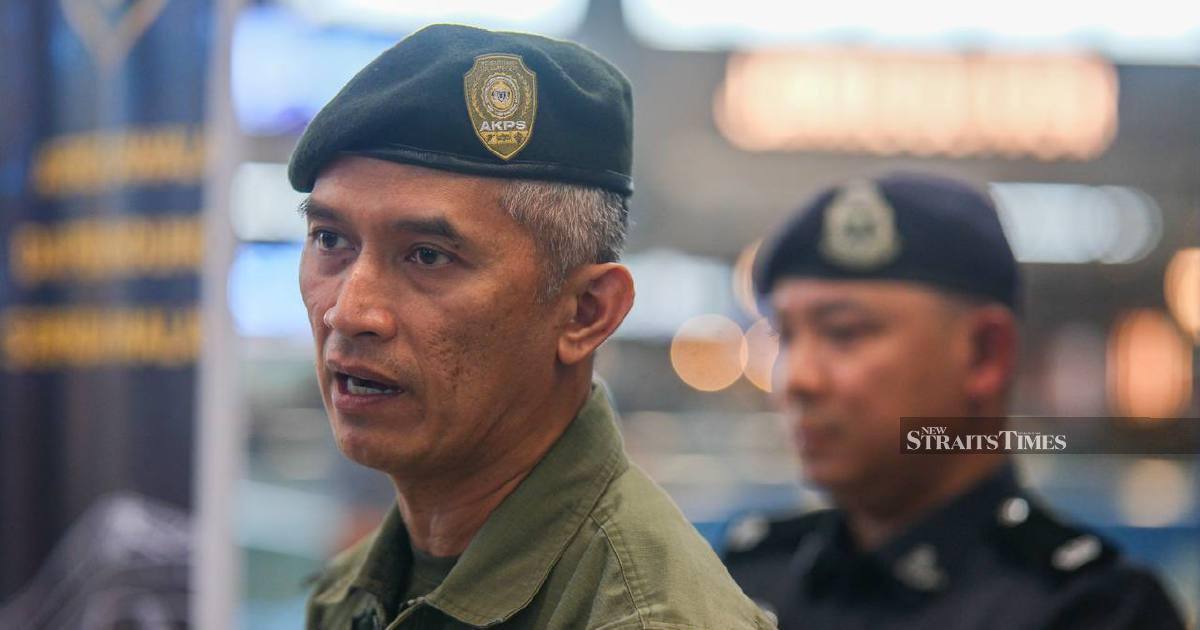
The Malaysia Border Control and Protection Agency (MCBA) has stopped short of confirming whether orchestrated counter-smuggling tactics played any role in the detention of a Malaysian airline pilot currently held by Indonesian authorities on drug-related charges, maintaining that such determinations remain premature at this stage of the inquiry.
The cautious stance reflects the agency's preference to allow investigative processes to unfold before offering definitive assessments about the operational circumstances surrounding the case. MCBA officials have indicated that multiple dimensions of the incident still require thorough examination, and rushing to conclusions could compromise the integrity of ongoing inquiries spanning both Malaysian and Indonesian jurisdictions.
Counter-setting refers to deliberate operations where authorities—or potentially third parties—introduce controlled amounts of narcotics into supply chains to identify trafficking networks and their participants. Such techniques can sometimes create complex legal and ethical questions, particularly when international borders and multiple law enforcement agencies become involved. The apparent reference to counter-setting in this Malaysian pilot's case suggests investigators are considering whether the pilot may have been entrapped or manipulated into transporting drugs through coordinated agency operations.
The pilot's arrest in Indonesia has generated significant attention across Malaysia's aviation and maritime communities, given the high-profile nature of Malaysia Airlines as the country's flagship carrier. The incident underscores ongoing challenges facing Southeast Asian nations in combating transnational drug trafficking, which continues to exploit transportation networks and professional personnel for moving contraband across borders.
Indonesia's relatively strict drug laws mean that individuals convicted of significant trafficking face severe penalties, including lengthy imprisonment or even capital punishment in aggravated cases. For Malaysian nationals caught within Indonesian jurisdiction, the situation becomes diplomatically sensitive, potentially requiring intervention from Malaysia's foreign ministry and consular services to ensure fair legal representation and due process.
The MCBA's measured approach appears designed to avoid prejudicing the investigation or public discourse around the case while both nations' enforcement agencies coordinate their efforts. Malaysian authorities must balance their responsibility to protect citizens' legal rights with their obligation to combat serious drug crimes that threaten public health and security across the region.
This incident highlights recurring vulnerabilities in aviation and transportation sectors that organised criminal syndicates exploit to move drugs between countries. Professional crew members, whether pilots, cabin staff, or maritime personnel, represent attractive targets for traffickers due to their legitimate access to international travel routes and reduced scrutiny at certain border crossings. Airlines and transportation authorities throughout Southeast Asia have intensified security protocols in recent years to address such infiltration risks.
The broader context involves Malaysia's own border security challenges, particularly regarding maritime trafficking through the Strait of Malacca and movements through land borders with Thailand and Singapore. The MCBA, established to coordinate protection across Malaysia's extensive coastline and frontier regions, faces continuous pressure to intercept narcotics while managing legitimate commercial and passenger movements.
Indonesia's role as a major transit point for drugs destined for Australian, Chinese, and other regional markets means its enforcement agencies maintain particular vigilance around aviation connections to Jakarta, Denpasar, and other international hubs. The arrest of a Malaysia Airlines pilot operating from or through Indonesian airports signals the seriousness with which these nations view aviation-related trafficking.
For Malaysia's aviation industry, the case carries operational implications regarding crew conduct expectations and security compliance. Airlines implement rigorous protocols requiring crew members to declare all luggage contents and movements, with random screening procedures designed to deter smuggling attempts. Such enforcement, while occasionally inconvenient for legitimate operations, remains essential given the sector's vulnerability to exploitation.
The decision to withhold conclusions about counter-setting also reflects recognition that premature statements could complicate diplomatic channels between Malaysia and Indonesia, which maintain relatively cooperative law enforcement relationships despite occasional tensions. Both governments benefit from coordinated approaches to transnational crime, and either nation must avoid public commentary that might suggest entrapment or operational overreach by the other side.
As investigations proceed through Indonesian courts, Malaysian officials will likely remain engaged at multiple levels—supporting the pilot's defence while respecting Indonesian sovereignty and judicial processes. The outcome of this case may influence how Malaysian authorities approach counter-smuggling operations and how they work with regional partners on shared security challenges.

