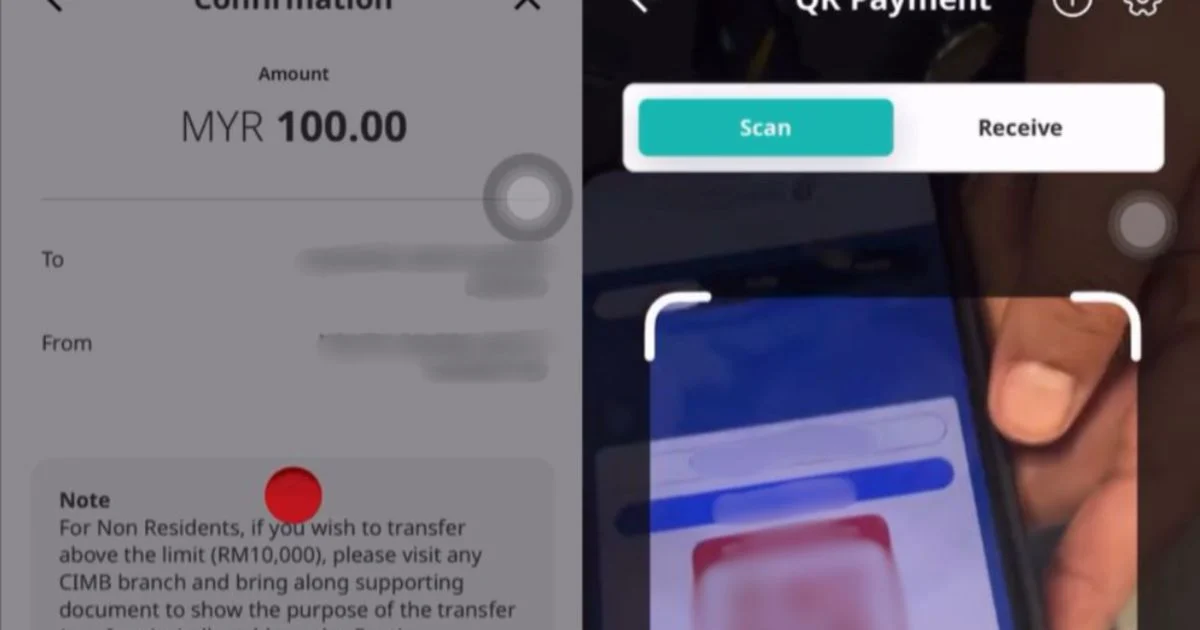
The Malaysian Border Control and Protection Agency (MCBA) has initiated a formal internal investigation following allegations that one of its officers stationed at Kuala Lumpur International Airport Terminal 2 received an unauthorised RM100 payment via a personal QR code transaction. The incident has drawn scrutiny over compliance with airport security protocols and the conduct of government personnel operating at the country's busiest international gateway.
The investigation marks a significant development in ongoing efforts to maintain professional standards at KLIA, which handles millions of passengers annually and serves as a critical checkpoint for border management. Such allegations, if substantiated, would represent a departure from established procedures governing financial transactions and official conduct at the airport's immigration and customs facilities.
The use of personal QR codes to conduct informal payments at government facilities raises broader questions about financial accountability and the implementation of proper channels for legitimate transactions. Malaysia's border agencies have increasingly emphasised the importance of transparent payment systems and documented procedures to safeguard both public interests and government personnel from accusations of misconduct.
The MCBA's decision to launch a formal probe demonstrates institutional responsiveness to allegations of improper conduct. As the primary agency responsible for border control and airport security, the organisation maintains strict protocols designed to prevent unauthorised financial dealings that could undermine public confidence in airport operations and immigration processes.
Terminal 2 at KLIA serves as a major processing point for international travellers, handling both departure and arrival procedures. The terminal's operations involve numerous touch points where passengers interact with government officials, making transparency and proper procedure adherence essential to maintaining operational integrity and public trust.
The investigation will likely examine several critical areas, including whether proper documentation exists for the transaction, whether the officer followed established guidelines for receiving payments, and the circumstances that prompted the payment. Investigators will also need to determine the purpose of the transaction and whether it constituted an isolated incident or part of a pattern of behaviour.
For Malaysian travellers and international visitors, such incidents underscore the importance of understanding proper procedures at government facilities. Passengers should be aware that all official transactions at KLIA should be conducted through authorised channels and documented appropriately. Accepting informal or personal payments circumvents established accountability measures and creates potential vulnerabilities.
The case reflects broader challenges facing government agencies globally in maintaining officer conduct standards as digital payment methods proliferate. Personal QR codes, while convenient for legitimate transactions, create ambiguity when used in official contexts, potentially blurring lines between personal and institutional financial activity.
Airport authorities and border agencies across Southeast Asia have grappled with similar issues as mobile payment adoption accelerates. The incident at KLIA provides a practical case study in the importance of developing clear policies governing digital transactions at public facilities, particularly those involving passenger services and official fees.
The MCBA's investigative process will ultimately determine whether disciplinary action is warranted and what measures should be implemented to prevent recurrence. The outcome of this investigation may also inform broader policy reviews regarding acceptable payment methods and officer conduct standards throughout Malaysia's border facilities.
For the officer involved, the investigation represents a critical juncture that could significantly affect their career trajectory within the agency. Government personnel in public-facing roles carry heightened responsibility for maintaining professional standards, and even allegations of improper conduct can damage both individual careers and institutional credibility.
As Malaysia continues developing its airport infrastructure and border management capabilities, maintaining high standards of official conduct becomes increasingly vital. The KLIA Terminal 2 investigation, while addressing a specific allegation, contributes to broader efforts to ensure that the country's gateway facilities operate with the transparency and professionalism that international travellers expect and that Malaysian citizens deserve.
The resolution of this case will be closely watched by both government agencies and the travelling public, as it demonstrates the MCBA's commitment to internal accountability and its willingness to investigate allegations against its own personnel regardless of rank or tenure.

