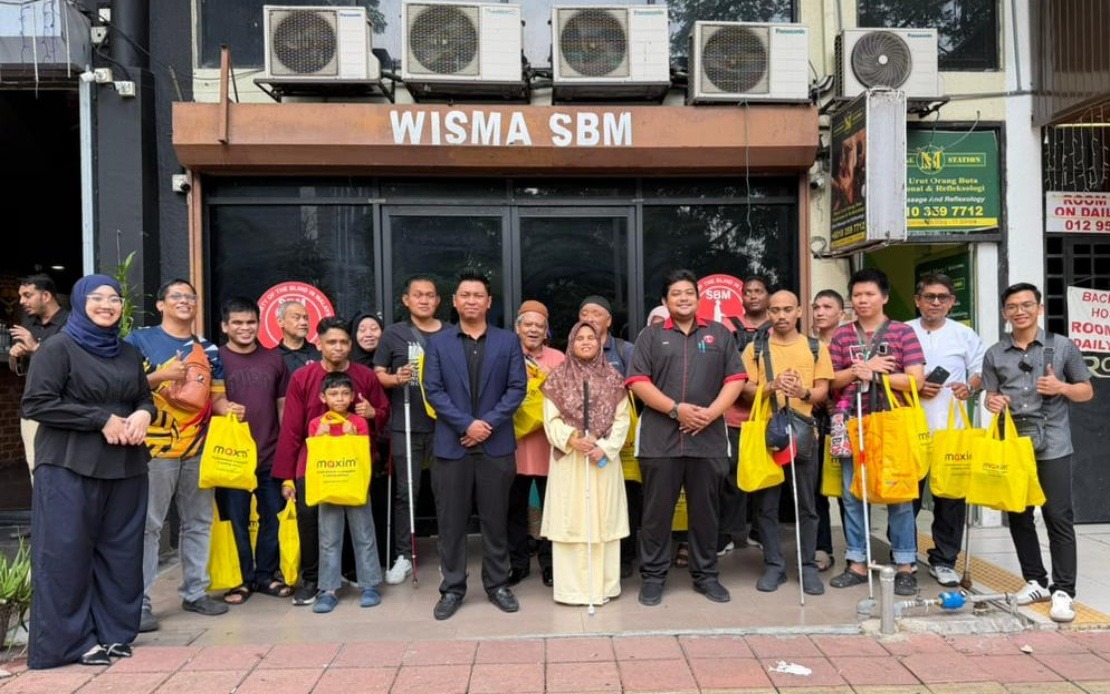
Ride-hailing platform Maxim is substantially widening its accessibility initiatives across Malaysia, targeting mobility barriers faced by persons with disabilities, senior citizens, low-income households, and other marginalised communities through a combination of discounted fares, technological innovation, and collaborative partnerships with social organisations. The expansion reflects growing recognition within Malaysia's transport sector that digital mobility services must serve the entire population, not merely affluent urban consumers seeking convenience.
Syed Abdul Syarif Syed Peiaru, Head of Maxim Kuala Lumpur, framed transportation as fundamentally more than logistical infrastructure. In his view, mobility represents a critical enabler of human opportunity, directly facilitating educational advancement, employment prospects, healthcare access, and meaningful social participation. This perspective acknowledges a persistent gap in Malaysia's transport ecosystem: that millions of citizens face genuine constraints in reaching essential services due to affordability, accessibility, or geographical limitations. For persons with disabilities, elderly individuals managing mobility challenges, and families operating under tight budgets, traditional taxi services and ride-hailing platforms have historically presented financial and practical obstacles.
Maxim's strategy hinges on three interconnected pillars. First, the company has committed to maintaining competitive pricing across its service offerings while simultaneously expanding operations into rural and peri-urban areas where conventional transportation options remain sparse. This geographical expansion carries particular significance for Southeast Asia's developmental context, where urbanisation remains uneven and transport infrastructure outside metropolitan zones often relies on informal operators or remains entirely absent. By deliberately targeting underserved territories, Maxim positions itself as addressing a genuine market failure rather than merely capturing additional revenue streams.
Second, technological sophistication underpins the platform's accessibility architecture. The company has integrated voice-recognition booking capabilities, allowing users with visual impairments or limited digital literacy to request rides without visual interface navigation. Real-time driver connectivity and transparent pricing mechanisms reduce information asymmetries that often disadvantage vulnerable passengers. The platform's transparency directly counters historical grievances regarding transport pricing opacity, particularly relevant given Malaysian regulatory scrutiny of ride-hailing fare structures. These technological embeddings move beyond superficial accessibility gestures, instead fundamentally reimagining how digital transport interfaces can accommodate diverse user needs.
The Mesra OKU service represents Maxim's flagship accessibility offering, providing extended waiting times accommodating mobility aids, driver training emphasising appropriate assistance techniques, and voice-activated booking options. Passengers indicate specific assistance requirements through the application, enabling drivers to prepare appropriately and coordinate necessary support during pickups and drop-offs. This service design demonstrates understanding that accessibility demands proactive coordination rather than improvised adaptation upon arrival. For persons with disabilities navigating Malaysia's variable accessibility standards across public spaces, the service offers predictability and dignity often absent from conventional transport interactions.
Partnership structures amplify the platform's reach and credibility within vulnerable communities. Collaboration with the Society of the Blind in Malaysia has promoted TalkBack voice features specifically, leveraging existing accessibility standards within smartphone ecosystems to serve visually impaired users. Partnerships extending to hospitals, educational institutions, and community-focused NGOs create embedded referral networks, ensuring that mobility services reach populations with the greatest access challenges. Such institutional integration matters considerably in the Malaysian context, where many underserved communities maintain closer relationships with established social organisations than with commercial platforms. Healthcare providers and educational institutions serving these populations effectively become distribution channels for mobility access knowledge.
Special pricing initiatives tailored explicitly for persons with disabilities and individuals with special needs constitute another structural component. These targeted subsidies, alongside standard affordability initiatives benefiting low-income families and students, embed social equity directly into platform economics. Rather than treating accessibility as peripheral corporate social responsibility activity, Maxim has incorporated targeted pricing into core business operations. This approach acknowledges that sustainable accessibility demands structural business model adaptation rather than supplementary charitable gestures.
Maxim's engagement with para-athletes and adaptive sports communities illustrates how mobility access intersects with broader social participation. Transport support enabling Sarawak para swimmers to attend training and competitions removes practical obstacles to athletic development and competitive participation. This initiative transcends routine point-to-point transportation, instead facilitating human development within specialised communities. The selection of adaptive sports contexts demonstrates that accessibility considerations extend far beyond essential service access, encompassing the full spectrum of human flourishing and community participation.
The platform's stated commitment to continuous refinement through user-centric design represents recognition that accessibility remains an evolving challenge. Rather than positioning current offerings as definitive solutions, Maxim's leadership emphasises ongoing engagement with disabled persons' organisations and community stakeholders to identify emerging barriers and opportunity areas. This participatory approach aligns with international accessibility standards emphasising that persons with disabilities themselves must guide inclusive design processes, rejecting top-down assumptions about vulnerability and need.
For Malaysian transport policy, Maxim's accessibility expansion signals shifting private sector engagement with social inclusion objectives traditionally dominated by government initiatives. While this development carries potential benefits in service innovation and coverage expansion, it simultaneously raises questions regarding sustainable financing of accessibility provision, regulatory frameworks ensuring standardised accessibility across competing platforms, and equitable access to underserved areas where commercial profitability may remain elusive despite social necessity. The government's role in potentially subsidising accessibility-focused operations in genuinely unprofitable rural zones remains unresolved within current market structures.
Looking forward, Maxim's stated ambition to coordinate with government agencies, healthcare providers, NGOs, and educational institutions positions the platform as seeking formal integration into Malaysia's broader accessibility and social inclusion infrastructure. Such coordination could generate valuable economies of scale and information-sharing, enabling mobility services to respond dynamically to emerging needs within vulnerable communities. Conversely, deepening commercial platform integration within government-aligned social services raises accountability considerations, requiring transparent governance frameworks and protections against service disruption should commercial interests diverge from public welfare objectives.
Ultimately, Maxim's accessibility initiatives represent important progress toward transportation systems serving the entire Malaysian population. However, their long-term success depends upon maintaining genuine affordability, expanding geographic coverage despite thin commercial margins in underserved areas, ensuring platform reliability and safety, and establishing regulatory frameworks guaranteeing that accessibility commitments persist irrespective of commercial pressures. As digital mobility platforms increasingly mediate access to essential services across Southeast Asia, their inclusive design represents not merely corporate ethics but fundamental infrastructure governance, requiring sustained commitment beyond initial flagship announcements.

