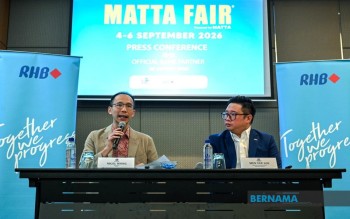
The tourism industry is preparing its shopping list for Budget 2027, with the Malaysian Association of Tour and Travel Agents calling for a comprehensive fiscal package designed to revitalise Malaysia's position as a regional travel destination. Speaking after the MATTA Fair press conference in Kuala Lumpur on August 26, MATTA president Nigel Wong outlined the sector's priorities, which centre on making it financially viable for tour operators to expand their overseas marketing operations and attract greater numbers of international visitors during the Visit Malaysia 2026-2027 campaign period.
The centrepiece of MATTA's advocacy involves restructuring the tax treatment of tour operators to permit more substantial deductions for promotional spending. According to Wong, this fiscal adjustment would create direct incentives for companies to escalate their international marketing campaigns, thereby channelling more inbound tourists toward Malaysian attractions and hospitality services. The proposal reflects a strategic understanding that tour operators function as intermediaries in the tourism value chain; by enhancing their profitability through tax relief, the government effectively enables them to invest more aggressively in destination promotion abroad. This mechanism differs from direct government spending on marketing, instead leveraging private-sector resources and motivation to achieve promotional objectives.
Beyond taxation measures, MATTA is emphasising the importance of substantial government capital investment in the physical infrastructure that underpins the tourist experience. Wong pointed to the restoration of the Sultan Abdul Samad Building as a case study demonstrating how targeted upgrades to heritage landmarks can generate iconic status and international appeal. The building has indeed become one of Kuala Lumpur's most photographed sites since its renovation, exemplifying how infrastructure investment translates into tangible brand value. MATTA is advocating for similar treatment across Malaysia's portfolio of historical and natural heritage sites, suggesting that many culturally significant locations remain underutilised due to age-related deterioration rather than inherent lack of appeal.
The association's infrastructure agenda extends beyond heritage preservation to encompass broader urban amenity improvements. Wong articulated a vision in which municipal councils assume greater responsibility for creating safe, walkable urban environments that enhance the overall visitor experience. This perspective acknowledges that international tourists increasingly evaluate destinations based on factors beyond primary attractions—the cleanliness of streets, accessibility of pedestrian pathways, and perceived personal safety all influence travel decisions and length of stay. By positioning tourism infrastructure as an urban development priority, MATTA is attempting to align the sector's interests with municipal governance and city planning frameworks.
MATTA is also requesting an expanded promotional budget specifically earmarked for the Visit Malaysia 2026-2027 campaign. This initiative represents a flagship government programme aimed at positioning Malaysia as a premium destination and increasing visitor arrivals during a critical two-year window. The campaign carries particular importance for Malaysia's tourism sector, which has steadily recovered from pandemic-related disruptions but faces intense regional competition from Thailand, Indonesia, and Vietnam, all of which have mounted aggressive marketing campaigns targeting similar demographic segments.
The timing of MATTA's submission is significant, as the Finance Minister is scheduled to table the Budget 2027 Supply Bill on October 9, providing the industry organisation with a defined window within which to lobby policymakers. This advance notice allows MATTA and its member companies to coordinate advocacy efforts and engage with relevant government agencies during the budget formulation phase. The parliamentary calendar thus shapes the rhythm of sectoral engagement with fiscal policy, creating predictable moments when interest groups can influence budgetary priorities.
Wong's advocacy reflects a sophisticated understanding of how tax policy can function as an industrial development instrument. By framing tax deductions for tour operators not merely as revenue foregone but as an investment in destination marketing and economic multiplier effects, MATTA positions fiscal incentives as a cost-effective lever for achieving tourism growth objectives. Compared to direct government spending on international promotional campaigns, tax relief targets resources toward companies with established market knowledge, operational capacity, and financial incentives to deploy funds efficiently.
The emphasis on a whole-of-tourism approach represents an implicit acknowledgment that destination competitiveness depends on coordination across multiple stakeholders and policy domains. Tourism outcomes reflect not only the quality of primary attractions and tour operator services but also the municipal governance, public health infrastructure, transportation networks, and security environments that shape visitor perceptions and experiences. By calling for greater municipal council engagement, MATTA is attempting to integrate tourism considerations into urban planning and local governance frameworks, moving beyond a narrow sectoral perspective.
For Malaysian tourism stakeholders and hospitality businesses, MATTA's budget proposals carry direct implications for competitive positioning and operational viability. Enhanced tax incentives would increase after-tax returns on promotional spending, enabling tour operators to expand international presence and marketing reach. Simultaneously, infrastructure investment would upgrade the destination asset base, potentially supporting premium positioning and higher per-visitor spending. These complementary measures—supply-side cost reduction through taxation alongside demand-side investment in attractions—reflect orthodox sectoral development strategy.
The Visit Malaysia 2026-2027 campaign represents a critical test of whether coordinated public and private investment can sustain tourism momentum and market share. Regional competition for visitor expenditure remains intense, with neighbouring countries offering comparable natural attractions alongside aggressive promotional campaigns and competitive pricing. Malaysia's ability to differentiate itself depends partly on infrastructure quality, ease of movement, and the breadth of internationally promoted experiences available to visitors. MATTA's budget advocacy thus addresses genuine constraints on the sector's growth trajectory.
Looking forward, the outcome of MATTA's budget submission will signal government commitment to tourism as an economic priority. Positive responses on tax incentives and promotional budgets would validate the sector's strategic importance and justify continued private investment in marketing and service delivery. Conversely, limited budget allocations would force tour operators to reassess promotional strategies and potentially redirect resources toward more immediately profitable markets, with implications for Malaysia's competitive position in regional tourism hierarchies during a pivotal period of sector repositioning.

