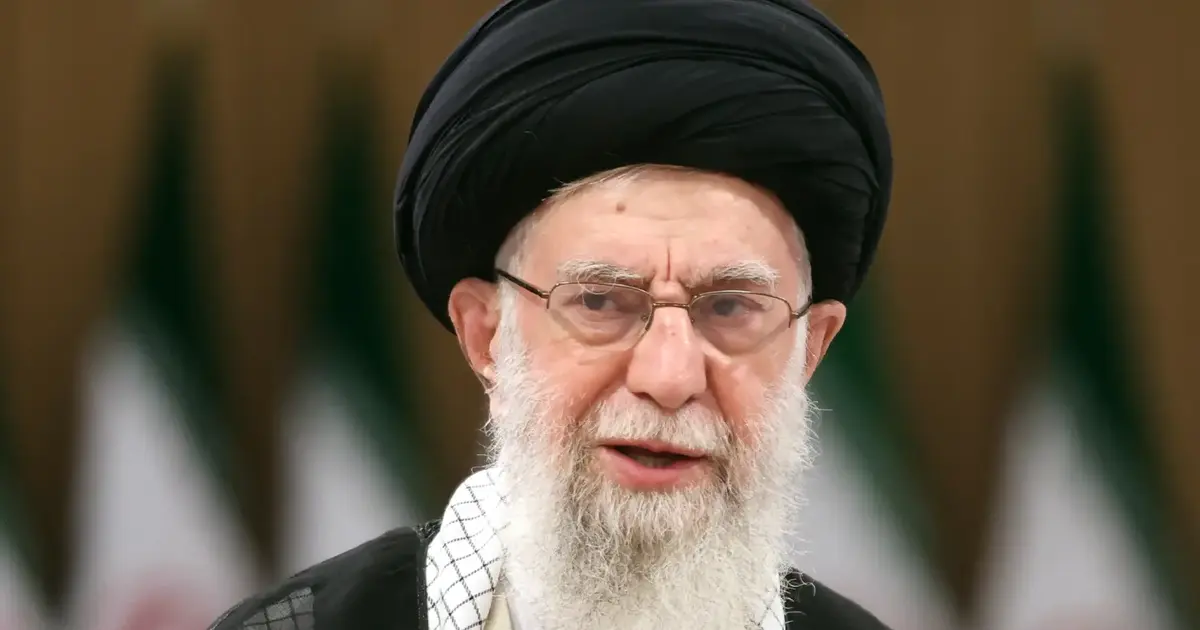
Malaysia will send Agriculture and Food Security Minister Mohamad Sabu to represent the nation at the funeral of Iran's Supreme Leader Ali Khamenei, Prime Minister Anwar Ibrahim announced, underscoring the importance of Malaysia's diplomatic ties with the Islamic Republic at a critical juncture in regional geopolitics.
The decision to dispatch Sabu, commonly known as Mat Sabu, reflects the weight Kuala Lumpur places on its relationship with Tehran despite the complexities of Middle Eastern affairs. Khamenei's death marks a significant moment for Iran's political establishment and the wider Muslim world, making Malaysia's participation in the ceremonial proceedings a notable gesture of solidarity and diplomatic protocol.
As head of the agriculture ministry, Mat Sabu's selection carries particular significance given Malaysia's substantial agricultural exports to numerous markets and its ongoing efforts to strengthen food security across the region. His attendance signals that bilateral engagement extends beyond traditional political channels into economic and development cooperation. The choice also reflects the seniority and standing of the delegated official, with cabinet-level representation typically reserved for occasions of considerable importance to national interests.
Malaysia's relationship with Iran has historically encompassed trade, cultural exchange, and shared Islamic governance principles, though the two nations maintain distinct foreign policy approaches. The decision to send a high-ranking minister demonstrates continuity in diplomatic engagement despite the fluid nature of Middle Eastern politics and the varying positions adopted by different regional actors toward Iran's internal succession dynamics.
Khamenei's passing represents a transformative moment for Iran's political system, with implications for regional stability, nuclear negotiations, and the alignment of Gulf state relationships. Malaysia, as a moderate Muslim-majority nation with strategic interests in maintaining regional equilibrium, benefits from maintaining constructive channels of communication with all parties. The funeral attendance serves this multipronged objective by demonstrating Malaysia's balanced approach to international relations without sacrificing principled engagement.
The timing of the delegation sends a message to domestic and international observers about Malaysia's foreign policy priorities under Anwar's leadership. His administration has sought to position Malaysia as a voice of reason within Islamic circles while maintaining pragmatic relationships with global powers. The gesture toward Tehran aligns with this broader strategy of expanding Malaysia's diplomatic footprint and influence in matters of significance to the Muslim world.
For Mat Sabu specifically, the assignment reflects confidence from the prime minister and recognition of his diplomatic credentials alongside his portfolio responsibilities. His presence will be interpreted by Iranian officials as Malaysia's commitment to sustaining relations during a period of internal transition and international scrutiny. The visit also provides opportunity for preliminary discussions on bilateral matters of mutual interest, including potential collaborations in agriculture and halal food production sectors where both nations possess complementary strengths.
The delegation underscores how ceremonial diplomatic participation often carries substantive implications for bilateral relationships. Malaysia's representation at such events contributes to the broader tapestry of international relations, positioning the nation within networks of Muslim-majority states and demonstrating its capacity to engage meaningfully with major powers in the Islamic world. This approach helps Malaysia maintain influence and access across diverse international forums.
Regionally, Malaysia's approach contrasts with differing stances adopted by neighbouring nations toward Iran, reflecting the diversity of Southeast Asian foreign policy approaches to Middle Eastern affairs. The decision reinforces Malaysia's independent foreign policy orientation and its commitment to engagement rather than isolation of major regional actors. Such diplomatic presence also allows Malaysia to gather intelligence and insights into Iran's evolving political landscape and future policy directions through direct participation and bilateral conversations.
Anwar's public announcement of Mat Sabu's attendance demonstrates transparency in diplomatic appointments and underscores the significance attached to the mission. The statement itself functions as a diplomatic signal to multiple audiences including Iran's transitional government, Malaysia's own constituencies interested in foreign affairs, and regional observers assessing how different nations are positioning themselves in response to major geopolitical shifts. Through this carefully calibrated move, Malaysia demonstrates its capacity to balance principled engagement with pragmatic statecraft.

