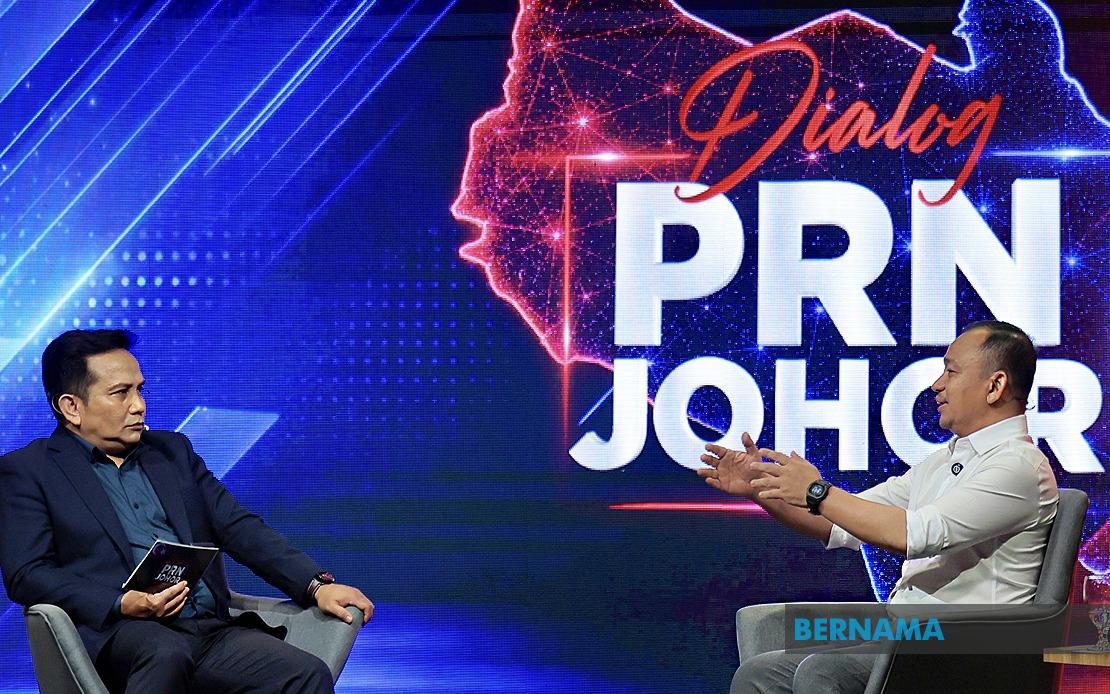
Dr Maszlee Malik, the Pakatan Harapan candidate vying for the Puteri Wangsa state seat, has expressed optimism that structured political dialogues can catalyse a shift towards more principled electoral behaviour among Malaysian voters. Speaking after a public forum in Johor Bahru on July 7, the former education minister argued that the conversation demonstrated the value of creating dedicated spaces where candidates and citizens can engage substantively on policy and governance matters.
The dialogue, held at the Permata Sari Auditorium within the Johor State Broadcasting Department, brought together political representatives and voters to discuss the issues shaping the 16th Johor state election. By convening such forums, Maszlee suggested, political actors can help establish community expectations around the quality of public discourse and the standards voters should demand from their representatives. This framing positions electoral maturity not as an innate characteristic but as something that can be deliberately cultivated through repeated exposure to thoughtful political engagement.
At its core, Maszlee's message reflects a broader frustration within Malaysian politics about the gap between campaign rhetoric and substantive governance. He argued that voters frequently make electoral decisions based on sentiment and emotional attachment rather than evaluating candidates and parties on their track records, policy proposals, and analytical reasoning. By promoting a culture of dialogue rooted in evidence and argumentation, he suggested that the electorate could develop more refined criteria for assessing political alternatives.
Communications Minister Datuk Fahmi Fadzil attended the session, underscoring the government's interest in fostering such initiatives. The dialogue was jointly organised by RTM, Astro AWANI and Sinar Harian, indicating support from major media institutions for elevating the tone of political conversation during the campaign period. This collaborative approach suggests recognition that media entities have a responsibility to create platforms where political discourse can transcend sensationalism and populist appeals.
With three days remaining before polling day on July 11, Maszlee shifted focus to a practical electoral imperative: maximising voter participation. He stressed that turnout carries significance beyond mere numbers, viewing it as a barometer of democratic legitimacy. When voters participate in substantial numbers, he argued, the resulting government enjoys a mandate that reflects genuine popular choice rather than the preferences of a narrow electoral base. This emphasis on turnout reveals an understanding that electoral legitimacy depends not only on winning but on winning with broad participation.
The PH campaign machinery is now concentrating resources on mobilising voters who have relocated away from their constituencies. This strategy recognises the mobility of modern Malaysian society, where economic migration and urban-rural movement mean many registered voters maintain residence in their hometowns despite working or studying elsewhere. Encouraging these geographically dispersed voters to return for polling day presents logistical challenges but carries strategic importance for parties seeking decisive mandates.
Early voting, which took place on July 7, opened the campaign's final phase and established a baseline for judging overall participation. Comparative turnout figures between early voting and July 11 polling will indicate whether campaigns successfully motivated different voter segments. Maszlee's emphasis on turnout suggests PH leadership believes that high participation favours their electoral prospects, or alternatively, that they recognise the democratic imperative of representing genuinely engaged constituencies.
The timing of these calls for political maturity during an active election campaign raises questions about how abstract commitments to elevated discourse translate into actual campaign practice. Political culture emerges from accumulated experiences rather than individual declarations, and whether the dialogue session influences subsequent campaign messaging or voter behaviour remains uncertain. The challenge for Malaysian politics involves moving beyond symbolic gestures toward institutional and cultural changes that systematically reward evidence-based argumentation and penalise manipulation.
For Southeast Asian observers, Malaysia's apparent grappling with political culture quality reflects regional tensions between democratic aspirations and populist pressures. As societies grow more complex and media ecosystems fragment, maintaining shared standards for political discourse becomes increasingly difficult. Maszlee's intervention suggests that political leaders recognise this problem, though the solutions remain contested and incompletely implemented.
The Johor state election thus serves as a test case for whether Malaysian voters can be persuaded to embrace more demanding standards for political engagement. Success would signal that democratic publics can mature without coercive intervention, while failure would suggest that structural factors—media economics, education systems, political incentives—require reform to shift electoral behaviour. The final weeks before July 11 will indicate whether dialogue and exhortation suffice to influence voting patterns, or whether deeper institutional change remains necessary for genuine political maturation.

