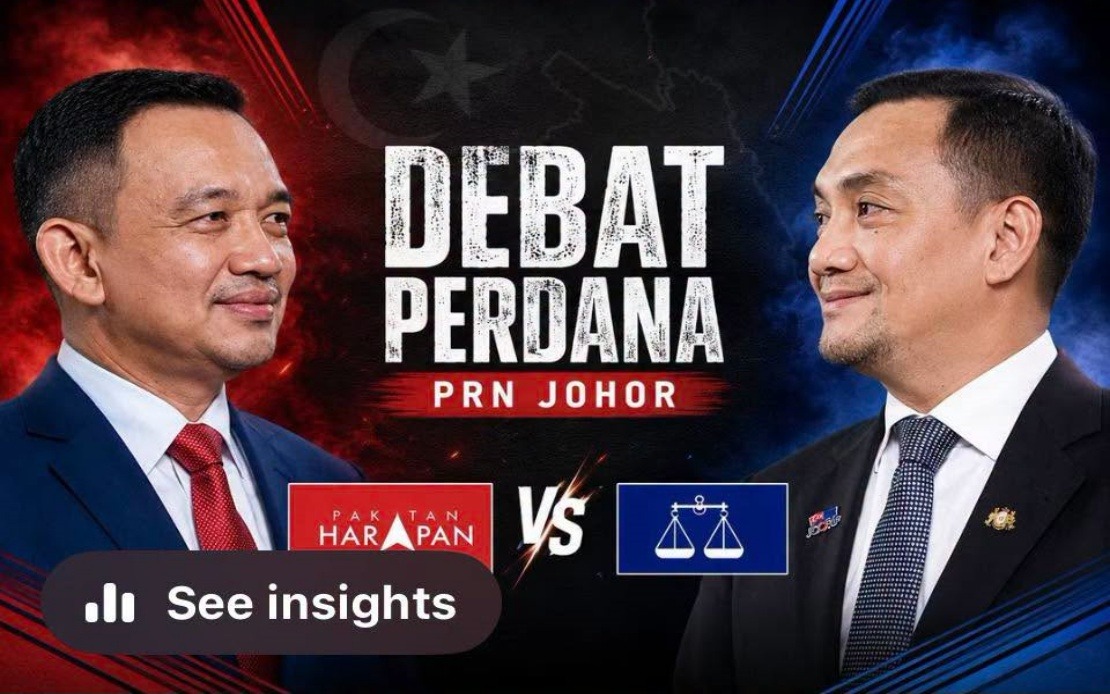
Former Education Minister Maszlee Malik has publicly agreed to participate in a debate with Johor Menteri Besar Onn Hafiz Ghazi as the state gears up for its upcoming election, marking a significant moment in the campaign narrative. The announcement came after Maszlee's formal designation as the Pakatan Harapan candidate contesting the Puteri Wangsa constituency, cementing his role as a key figure in the opposition coalition's electoral strategy for the state.
Maszlee's acceptance of the challenge reflects a broader commitment to elevating the tenor of political engagement in Malaysia. He framed his decision as rooted in fundamental democratic principles and a conviction that public debates serve a crucial function in fostering political sophistication among voters. In his statement, the former minister articulated a vision for the debate as an educational platform rather than merely a partisan confrontation, suggesting that substantive dialogue could contribute to more informed electoral participation across Johor's constituencies.
The proposal for a "Johor State Election Grand Debate" emerged organically from civil society engagement, having been initially conceived by social media influencer Muhamad Harris Nasril and subsequently amplified through the Redaksi.com Facebook platform. This grassroots impetus underscores growing public appetite for candidate engagement and direct discourse on policy matters, particularly as voters seek clarity on competing visions before casting their ballots. The debate's potential emergence as a campaign centrepiece reflects evolving expectations around electoral accountability and transparent platform-sharing between rival candidates.
Pakatan Harapan has deployed considerable organisational resources across Johor's 56 available seats, with component parties dividing responsibilities according to their respective strengths. The coalition has fielded 20 candidates from PKR, 19 from Amanah, and 17 from DAP, representing a coordinated approach to maximising opposition penetration across the state's electoral landscape. This distribution strategy seeks to leverage each party's regional influence and grassroots networks while maintaining coalition unity under the broader Harapan umbrella.
Maszlee's background as Education Minister during the Harapan government provides substantial credential weight in campaign contexts, though his tenure was not without controversy. His appointment to contest Puteri Wangsa signals the coalition's desire to field experienced governance figures in urban constituencies where policy-focused voters may predominate. The debate format could enable him to articulate programmatic differences between the coalition and incumbent Johor leadership, particularly regarding education, social policy, and economic development priorities that resonate with constituencies like Puteri Wangsa.
The electoral timeline has now crystallised following the Election Commission's scheduling decisions. Nomination day is set for this Saturday, with early voting designated for July 7 and the main polling exercise scheduled for July 11. This compressed timeframe concentrates campaign activity and raises the visibility value of any major engagement events, as debates and public forums become pivotal moments for candidate exposure and message amplification. The debate invitation has already generated substantial social media engagement, with multiple inquiries confirming public interest in witnessing direct confrontation between contrasting political perspectives.
Maszlee's explicit framing of his acceptance around democratic values carries strategic importance within the broader opposition narrative. By positioning debate participation as a fundamental democratic obligation rather than merely tactical calculation, he aligns the opposition's campaign approach with principles of transparency and voter empowerment. This rhetorical positioning becomes particularly significant in contexts where electoral competition involves questions about governance legitimacy and institutional accountability.
The debate's significance extends beyond immediate electoral implications, reflecting broader regional patterns in Malaysian politics. As states rotate through electoral cycles, the mechanisms through which candidates engage voters and present policy alternatives remain subject to ongoing refinement. Public debates represent one among several tools through which political competition can be conducted substantively rather than through purely negative or personality-driven campaigns. Johor's experience with this format could influence electoral practices in subsequent state polls.
Onn Hafiz's position as sitting Menteri Besar provides him with substantial advantages in any public confrontation, including control of state apparatus, media access through government channels, and the incumbent's traditional platform benefits. The debate dynamic will likely hinge on Maszlee's capacity to articulate coherent alternative visions while maintaining respectful engagement that reinforces his democratic credentials. Opposition campaigns frequently depend on effective debate performance to overcome structural disadvantages inherent in challenging incumbent administrations.
For Malaysian observers tracking Harapan's electoral revival prospects following the 2023 general election's mixed results, the Johor contest represents a significant testing ground. The state's size and electoral complexity make it consequential for opposition coalition fortunes. Maszlee's debate acceptance signals PH's confidence in its candidates' capacity to defend policy positions and articulate alternative governance models, suggesting the coalition views public engagement as strategically valuable despite inherent risks in direct confrontation formats.
The debate format also carries implications for how Malaysian political discourse evolves during electoral periods. Public debates require substantive preparation and policy articulation, potentially elevating discussion quality beyond social media soundbites and factional accusations. Both participating candidates carry responsibilities to demonstrate that Malaysian politics can accommodate respectful yet vigorous disagreement on matters of governance and public policy. The broader audience will assess not merely who "won" the debate but whether the format contributes meaningfully to electoral decision-making.