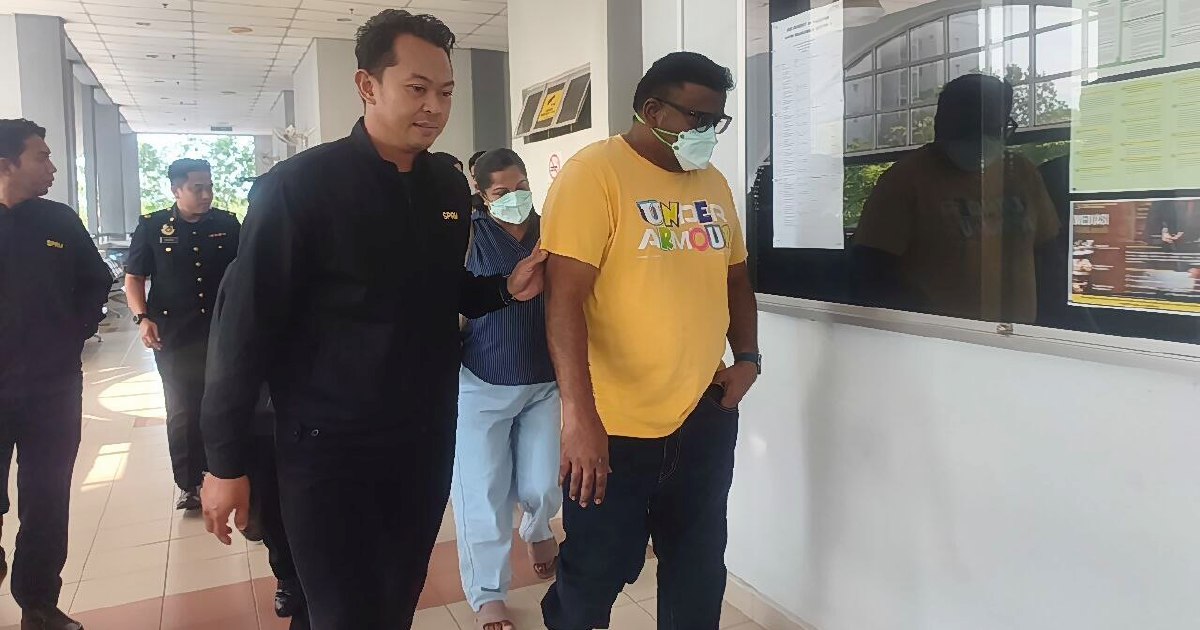
Three individuals appeared in Seremban Sessions Court this week to contest charges relating to fraudulent claims submitted to the Social Security Organisation, or Perkeso. Among those facing the allegations is a married couple, whose participation in the case has drawn particular attention given the sensitive nature of welfare fraud investigations in Malaysia. All three defendants have formally entered pleas of not guilty, setting the stage for what promises to be a closely watched legal proceeding in Negeri Sembilan's capital.
The charges centre on the submission of false incentive claims to Perkeso, Malaysia's national social security body that administers crucial benefits for workers including disability compensation, sickness benefits, and employment injury coverage. The allegations of dishonesty in claiming such benefits strike at the heart of Malaysia's welfare safety net, which relies on honest participation from claimants and employers alike. For a couple to be implicated together suggests the investigation uncovered evidence of coordinated activity or shared involvement in the scheme.
Fraud involving Perkeso benefits represents a significant concern for Malaysian authorities, as false claims directly drain resources intended for legitimate beneficiaries who genuinely require support. The organisation processes millions of claims annually from workers across the country, making it vulnerable to systematic abuse. Cases involving married couples are particularly noteworthy because they often indicate more deliberate planning than isolated incidents, as spouses might coordinate to maximise payouts or systematically exploit eligibility criteria.
The Sessions Court in Seremban serves as the venue for this trial, reflecting the jurisdiction where the alleged offences occurred. Malaysia's Sessions Court tier handles criminal cases of moderate severity, sitting below the High Court but above subordinate courts. The decision to prosecute at this level indicates authorities view the charges with appropriate gravity, suggesting substantive evidence and significant financial amounts may be involved in the allegations.
The nature of incentive claims under Perkeso warrants clarification for readers unfamiliar with the organisation's operational scope. Beyond standard benefits, Perkeso administers various incentive schemes designed to encourage employer compliance and promote workplace safety. These might include rehabilitation incentives, return-to-work programmes, or employer contributions schemes. Submitting false claims in these areas represents fraud against a government-backed institution and misuse of public funds allocated for social welfare purposes.
Investigations into Perkeso fraud typically involve coordination between the organisation's internal compliance division and Malaysian law enforcement. The Royal Malaysia Police, along with other relevant agencies, would have examined financial records, claim documentation, and testimony to build their case. That three individuals were charged following such investigation suggests investigators accumulated sufficient evidence to meet the threshold for prosecution.
The not guilty pleas entered by all three defendants mean the prosecution must now present its evidence in court to establish guilt beyond reasonable doubt. Defence teams will have opportunity to challenge the veracity and legality of evidence presented, cross-examine witnesses, and raise any procedural irregularities. For the married couple, their joint involvement in the case creates additional legal and personal complexity, as the proceedings may expose details about their finances and decision-making.
This case arrives amid broader Malaysian efforts to combat welfare fraud and strengthen governance of social security systems. Perkeso has increasingly implemented digital verification systems and cross-referencing mechanisms with other government agencies to detect anomalies in claims. The prosecution of fraudsters serves as deterrent messaging to potential offenders, signalling that authorities actively pursue those who attempt to exploit Malaysia's welfare infrastructure.
For Malaysian readers, cases of this nature underscore the importance of maintaining integrity within social security systems that millions depend upon. When individuals submit false claims, resources become unavailable for workers facing genuine hardship due to illness, injury, or unemployment. The court proceedings in Seremban will reveal specific details about the allegations, the evidence prosecutors have gathered, and the defence arguments mounted by the accused.
The upcoming trial will determine whether the three individuals knowingly submitted false information or whether their conduct constituted inadvertent error. Sentencing options for those convicted of Perkeso fraud can include fines and imprisonment, depending on the severity of the dishonesty and financial loss involved. The case also carries implications for how aggressively Malaysian authorities pursue benefit fraud, particularly within the social security system that represents critical infrastructure for vulnerable populations.
As proceedings continue in Seremban Sessions Court, observers across Malaysia's public and private sectors will monitor how the judiciary handles this matter. The involvement of a married couple makes the case particularly instructive, as it may establish precedents for how coordinated fraud by household members is treated under Malaysian law. The trial's outcome could influence future investigative approaches and enforcement strategies within Perkeso and partner agencies tasked with protecting the nation's welfare systems.

