The dog days of August typically bring a slowdown to financial markets as traders depart for summer holidays, but this year's calendar tells a different story. Instead, policymakers and investors are grappling with a complex web of currency pressures, inflation uncertainty, and geopolitical tensions that refuse to take a break. Over the coming week, several crucial data releases and policy meetings will test the resilience of recent market gains and force central banks worldwide to recalibrate their economic forecasts.
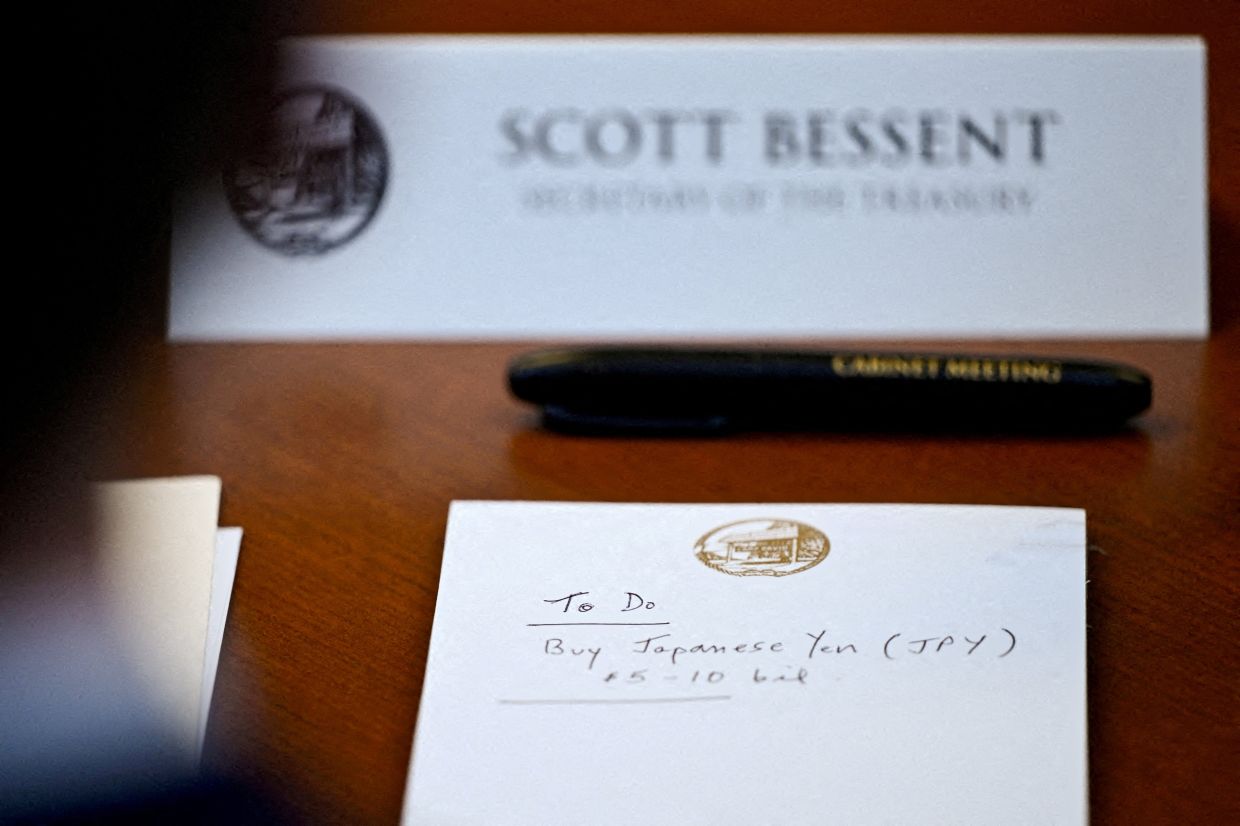
Japan's currency woes remain front and centre, with the yen languishing at four-decade lows that are making the country's energy imports increasingly expensive during a period of elevated global oil prices. This situation presents a genuine headache for Japanese policymakers, particularly when weak currencies can amplify imported inflation at home. The appearance of U.S. Treasury Secretary Scott Bessent's notes mentioning yen purchases, coupled with a rare coordinated intervention between Washington and Tokyo, has provided some temporary relief to currency markets. However, the underlying question for forex traders remains unresolved: will the Bank of Japan's leadership signal its intention to raise interest rates in September to provide more durable support for the yen? The minutes from the central bank's July meeting, due to be published Monday, will be scrutinized for any hints of such a move. Beyond the immediate rate question lies a more profound debate among analysts. The fact that U.S. officials opted to deploy euros rather than dollars in the intervention operation has sparked speculation that the Treasury Department may be concerned about unintended consequences for bond markets. If foreign central banks were forced to sell their U.S. Treasury holdings to fund yen support operations, it could create additional stress in a market already grappling with large issuance. This episode underscores a broader and enduring tension regarding whether the dollar's role as the world's premier reserve currency can persist indefinitely.
In the Middle East, tentative negotiations between Iran and Oman offer a potential pathway toward stabilizing traffic through the Strait of Hormuz, one of the world's most economically vital waterways. Notably, these talks are proceeding without explicit American involvement or approval, a diplomatic posture that reflects the complexity of regional power dynamics. Yet investors and policymakers should harbour few illusions about the durability of any agreement emerging from these discussions. The underlying conflict in Yemen remains active, with Iran-backed Houthi militias continuing to launch attacks on Saudi Arabian targets and shipping vessels traversing the Red Sea, an alternative but crucial export route for Gulf crude oil. With U.S. midterm elections less than five months away, the American administration has strong incentives to announce even a modest breakthrough. Gasoline prices continue hovering above four dollars per gallon across much of the United States, a persistent irritant for voters that weighs on electoral calculations. Current market sentiment, buoyed by optimism about corporate earnings growth and potential productivity gains from artificial intelligence, appears inclined to embrace even provisional solutions to the strait question, allowing investors to focus on rosier longer-term scenarios.
The economic calendar presents its own set of challenges and opportunities, beginning with U.S. inflation data scheduled for Wednesday. The July consumer price index is widely expected to show annual growth of 3.4 percent, while the core measure excluding volatile food and energy components is forecast to rise 2.5 percent year-on-year. These figures arrive at a particularly sensitive moment for the Federal Reserve, coming in the wake of unexpected job losses reported for July. Markets have been applying increasing pressure on the Fed to begin raising interest rates, but an inflation reading that exceeds expectations could create genuine policy uncertainty. Producer price data releasing a day later will provide additional context on the inflation trajectory. While monthly releases in June came in softer than anticipated, inflation remains stubbornly above the Fed's two percent long-term target. Retail sales data due on August 14 will round out an intensive week of economic releases that could reshape market expectations for the Fed's September meeting. Currently, traders are pricing in approximately a 40 percent probability of a rate increase at that gathering, though the data unveiled this week could shift those odds considerably.
Australia's monetary policy decision receives attention on Tuesday, as the Reserve Bank of Australia prepares to announce its rate decision following three increases delivered earlier in the year. Central bank Governor Michele Bullock has signalled preparedness to raise rates further if inflation proves more persistent, yet recent consumer price data showed moderating increases during the June quarter. The RBA faces a delicate balancing act: raising rates aggressively enough to meet its inflation target without triggering an economic slowdown that could swell the jobless ranks. Most analysts expect the bank to maintain its hawkish posture while holding rates steady, positioning itself to act if fresh data warrants action. Meanwhile, Norges Bank of Norway meets on Thursday and appears positioned to maintain rates at current levels, despite earlier tightening measures, as core inflation in the Nordic country has begun to decelerate.
British policymakers and investors will focus intently on gross domestic product figures for both the second quarter and June that are due Thursday. Prime Minister Andy Burnham, who assumed office in July, will be hoping for economic momentum to support his new administration's credibility. June retail sales data provided an encouraging signal, with sales rising unexpectedly amid consumer spending linked to sporting events and favourable weather conditions. Energy price declines that occurred during a brief period of improved U.S.-Iran relations may have provided additional tailwinds. Yet the broader quarterly picture risks disappointing, as the robust growth recorded in the opening three months of the year lost momentum during April and May. An updated estimate for eurozone second-quarter expansion is also due Thursday, following preliminary data that showed the bloc expanding faster than anticipated. Burnham may receive a gift from continental developments, with renewed economic strength in Europe potentially lifting sentiment toward British growth prospects.

