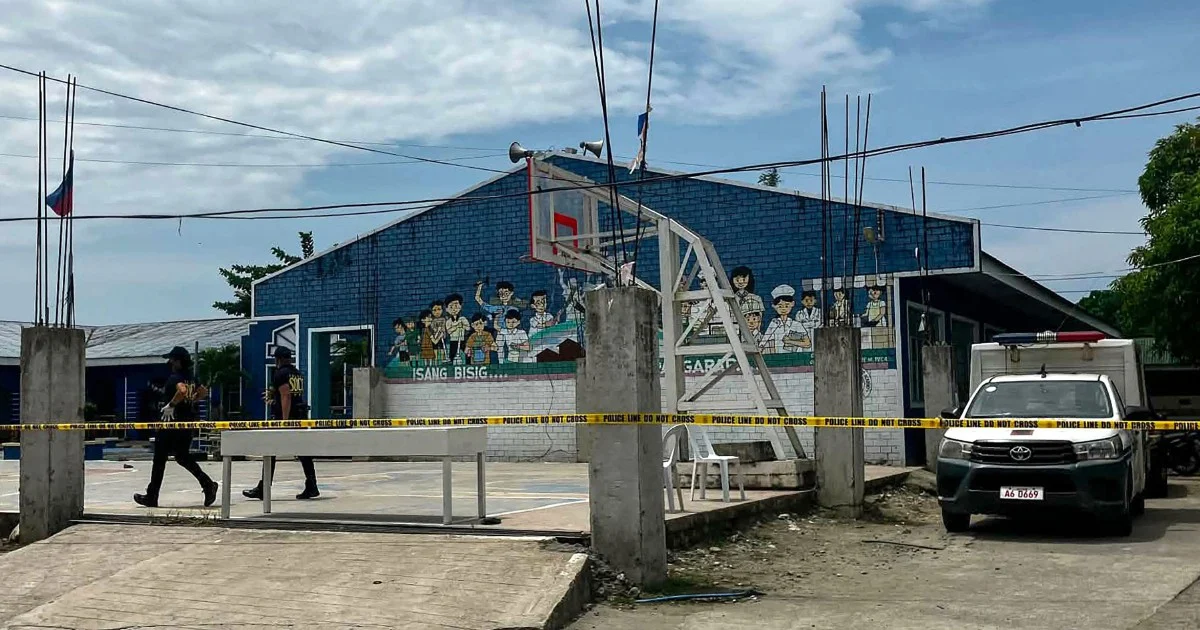
Philippine President Ferdinand Marcos Jr has initiated a formal investigation into a deadly school shooting that occurred in Tacloban, underscoring escalating security concerns in educational environments across the Southeast Asian nation. The incident, which claimed three lives and left five others wounded, prompted the president to intervene directly, tasking authorities to determine the circumstances and establish accountability for the tragedy.
Tacloban, the capital city of Leyte province in the Eastern Visayas region, has become the focal point of national concern following this outbreak of gun violence. School shootings remain relatively uncommon in the Philippines compared to some other nations, yet each incident triggers intense scrutiny from government officials and the public alike. The fact that the president personally ordered the investigation indicates the seriousness with which Manila treats such incidents and the political pressure surrounding school safety.
The decision to launch an official probe reflects broader anxieties about gun access and security protocols within the Philippine education system. Schools are considered safe spaces where children and educators should be protected from external threats. When that sanctuary is violated, it resonates beyond the immediate community, prompting nationwide conversations about systemic vulnerabilities and preventative measures that institutions must adopt.
For Malaysian observers, this incident carries particular relevance given our region's shared commitment to educational excellence and student welfare. While the Philippines grapples with this specific tragedy, other Southeast Asian nations including Malaysia are similarly evaluating their school security measures and mental health support systems. The cross-border nature of security challenges means that developments in neighbouring countries often provide valuable lessons and cautionary tales for our own policymakers.
The investigation ordered by Marcos will likely examine multiple dimensions of the incident, including the shooter's background, access to firearms, any warning signs that may have been missed, and the adequacy of security measures at the educational facility. Philippine law enforcement will be tasked with reconstructing the sequence of events and determining whether systemic failures contributed to the tragedy. Such investigations typically involve interviews with witnesses, forensic analysis, and review of institutional protocols.
Philippine firearm regulations have long been a contentious policy area, with civilian gun ownership permitted under strict licensing conditions. However, enforcement remains uneven across different regions, and illegal weapons circulation persists as a parallel problem. The Tacloban shooting raises questions about how effectively these regulatory frameworks function in practice and whether loopholes exist that enable individuals with dangerous intent to acquire weapons.
The incident also highlights the mental health dimension of gun violence. Understanding the shooter's motivations and psychological state will be crucial for determining whether warning signs were ignored or whether institutional mechanisms for identifying at-risk individuals functioned adequately. This aspect of the investigation carries implications beyond criminal accountability, touching on broader questions about mental health infrastructure in the Philippines and across the region.
For the affected Tacloban community, the presidential investigation signals that national authorities are taking the incident seriously and will pursue thorough accountability. This can provide some reassurance to grieving families and traumatised students, though no investigation can undo the loss of life or fully restore a sense of safety to the school environment. Recovery from such events typically requires sustained counselling support, security improvements, and sometimes architectural changes to school facilities.
The timing and nature of Marcos's response will likely influence how other Southeast Asian governments approach similar emergencies in their own jurisdictions. A thorough, transparent investigation that yields concrete reforms could serve as a model for regional best practices. Conversely, if the investigation stalls or yields limited accountability, it could raise concerns about whether official inquiries in the region translate into meaningful change.
Educational institutions across Southeast Asia should view this incident as a prompt to review their own security protocols, threat assessment procedures, and crisis response capabilities. While mass shootings remain statistically rare in the region, preparedness remains essential. Schools must balance creating welcoming, open environments conducive to learning with implementing reasonable security measures that protect students and staff from foreseeable threats.
The broader implications extend to questions about gun culture and access in the Philippines. Unlike some nations where civilian firearm ownership is widespread, the Philippines maintains tighter restrictions. Yet this incident demonstrates that even restricted access can result in tragedies if oversight mechanisms falter. The investigation may reveal whether this particular case involved licensed weapons, illegally obtained firearms, or weapons previously registered to someone else, each scenario carrying different policy implications.
Philippine civil society organisations and education advocates will likely scrutinise the investigation's progress and recommendations. Public pressure for meaningful reform often intensifies following high-profile incidents, creating windows of opportunity for policymakers to implement changes that might otherwise face resistance from gun owners and libertarian-leaning constituencies. Whether Marcos's government capitalises on this moment to strengthen relevant legislation remains an open question.
As the investigation unfolds, the international community will be watching to assess the Philippines' capacity for institutional response and reform. For Malaysia and other ASEAN nations, this situation underscores the importance of maintaining vigilance regarding school safety, mental health support systems, and the balance between public security and individual freedoms that characterises mature democracy in the region.