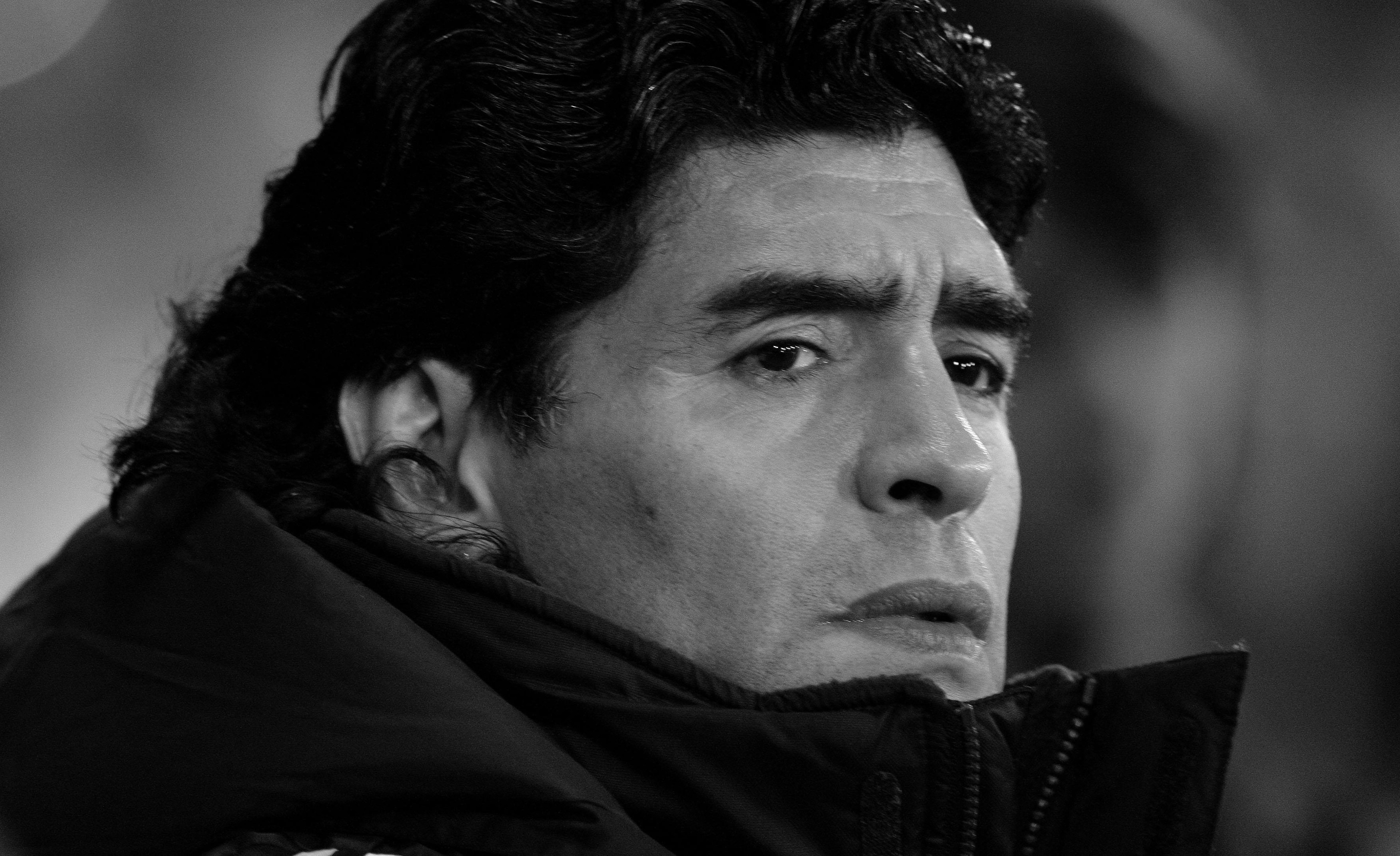
The ongoing manslaughter trial connected to Argentine football icon Diego Maradona's unexpected death in November 2020 has been derailed by a significant administrative blunder involving mishandled medical evidence. According to reports cited by international news agencies, kidney function test results that belonged to Maradona's father—who died in 2015—were incorrectly attributed to the football legend during courtroom proceedings. The discovery of this documentation error forced presiding judges to suspend the trial for one week while ordering authorities to secure the actual medical records from his treatment history.
Maradona, widely regarded as one of sport's greatest players and the architect of Argentina's 1986 World Cup triumph, collapsed at his residence in Buenos Aires on November 25, 2020, succumbing to cardiac failure. The circumstances surrounding his death prompted Argentine prosecutors to launch a comprehensive investigation into potential negligence by members of his medical team. In the years following his passing, authorities have built a case against seven individuals allegedly responsible for serious lapses in his residential care during his final weeks of life.
The defendants in the prosecution's manslaughter case include Leopoldo Luque, Maradona's personal physician who maintained daily contact with the patient, Agustina Cosachov, a psychiatrist overseeing his mental health treatment, and an unnamed psychologist who formed part of his care network. Additionally, charges have been brought against another medical practitioner, the health insurer's medical coordinator, and two private carers employed to monitor Maradona around the clock. All seven individuals have categorically rejected the allegations levelled against them, maintaining that they provided appropriate care within professional standards.
Investigators believe that multiple significant errors occurred during Maradona's home-based medical management, suggesting that coordinated negligence rather than isolated misjudgments contributed to his fatal outcome. The deterioration in his condition reportedly accelerated in the weeks following a surgical intervention on his brain, which took place approximately one month before his death. Prosecutors contend that despite the gravity of his post-operative status, his medical team failed to implement adequate monitoring protocols or to respond appropriately to warning signs that preceded his cardiac collapse.
This latest suspension represents the second major setback for prosecutors pursuing accountability in Maradona's death. A previous iteration of the trial was declared fundamentally flawed and declared null and void in May of the preceding year after consuming 21 days of court time. That earlier proceeding unraveled after authorities discovered that one member of the three-judge panel had improperly participated in the production of an unauthorized documentary examining the very trial in which she was presiding. The revelation of this ethical breach necessitated the complete restart of legal proceedings and raised serious questions about judicial oversight and conflict-of-interest protocols.
The implications of these procedural failures extend beyond mere embarrassment for Argentina's justice system. The repeated delays and documentary failures undermine public confidence in the capacity of courts to deliver timely and reliable justice in high-profile cases. For the Maradona family, the prolonged legal process compounds their grief while leaving fundamental questions about responsibility unresolved. The complications also reflect broader structural challenges within Latin American judicial systems regarding evidence management and the intersection between media coverage and legal proceedings.
From a Southeast Asian perspective, the case offers instructive lessons about the vulnerabilities inherent in complex medical negligence prosecutions. Malaysian legal practitioners and healthcare regulators might observe how international cases demonstrate the critical importance of robust documentation procedures and rigorous chain-of-custody protocols for medical evidence. The interplay between high-profile defendants, public scrutiny, and judicial integrity in the Maradona matter illustrates challenges that transcend national boundaries.
The week-long suspension allows courts to physically retrieve and authenticate Maradona's genuine medical documentation from healthcare facilities and providers involved in his treatment. This procedural pause, while frustrating for those seeking resolution, provides an opportunity to ensure that the evidentiary foundation for any eventual conviction or acquittal rests on verified information rather than administrative errors. The court's decision to order seizure of original medical records suggests a determination to ground subsequent proceedings in unambiguous documentation.
The ongoing trial underscores the complexity inherent in prosecuting cases where multiple medical professionals share responsibility for a patient's care. Establishing individual culpability requires demonstrating not merely that errors occurred, but that specific defendants' actions or omissions directly contributed to the fatal outcome. This legal and factual burden explains why such cases frequently encounter procedural obstacles and require extensive time to resolve through court systems.
As the trial resumes following the one-week adjournment, all parties will presumably have access to verified medical records that can form the legitimate basis for examining whether professional standards of care were maintained. The case continues to captivate public attention throughout the Spanish-speaking world and beyond, given Maradona's towering cultural significance and the enduring affection in which he is held by millions of football supporters globally. The eventual resolution will provide meaningful precedent regarding accountability for medical professionals whose decisions bear directly on matters of life and death.

