Majlis Amanah Rakyat (MARA) has initiated a review of its standard operating procedures for student outings at Mara Junior Science Colleges (MRSM) in response to the recent disappearance of two Form Four students from its Alor Gajah campus in Melaka. The incident, which occurred on August 11, prompted concern about safety protocols at Malaysia's premier junior science institutions, which serve as preparatory colleges for high-performing secondary school students pursuing science-based fields.
The two students, both aged 16, went missing after receiving treatment at a health clinic and were located four days later near Pasar Seni in Kuala Lumpur. One of the girls experienced a panic attack and required hospitalisation after being discovered in a distressed state. The case triggered immediate investigation by police in Alor Gajah, with MARA officials cooperating to establish the circumstances surrounding their absence.
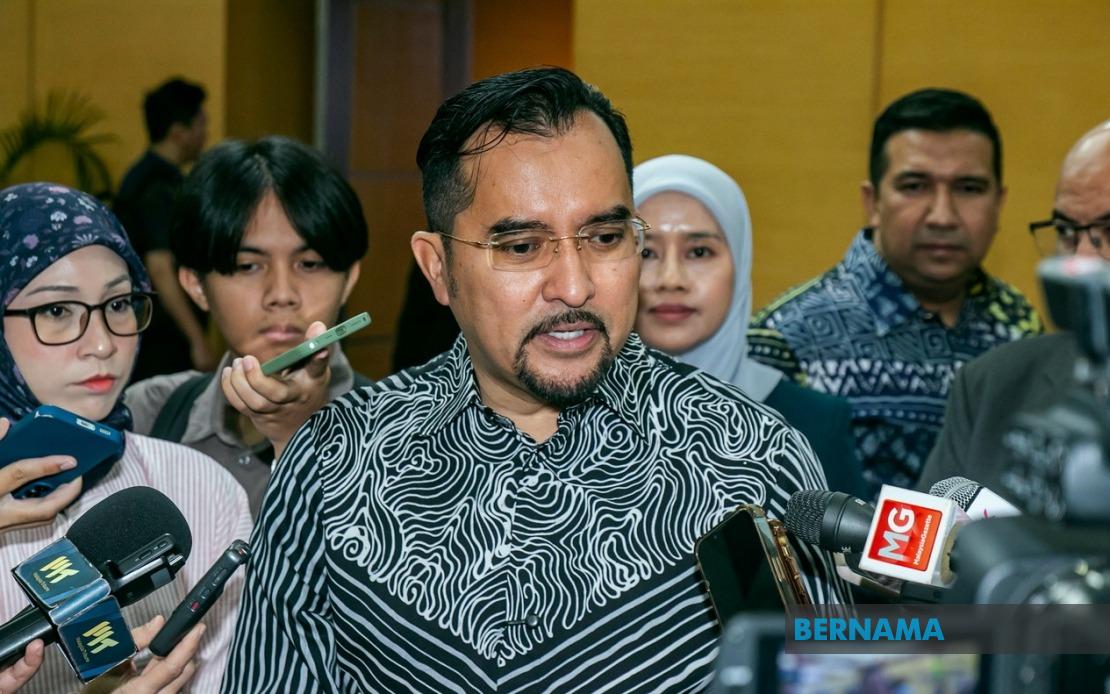
Datuk Dr Asyraf Wajdi Dusuki, MARA's chairman, characterised the disappearance as an exceptional occurrence rather than evidence of systemic failure in institutional oversight. Speaking to reporters following MARA's 2026 pre-departure programme for scholarship recipients, he emphasised that isolated incidents should not precipitate sweeping regulatory changes that could undermine the educational philosophy embedded within MRSM operations. This measured stance reflects institutional tension between safeguarding student welfare and preserving the autonomy expected of adolescents preparing for university life.
The current outing arrangements at MRSM institutions allow students to venture into town approximately once or twice monthly under specified conditions, crucially without mandatory teacher supervision. This relatively liberal policy stems from MARA's educational philosophy, which prioritises developing student maturity and independence—qualities deemed essential for future success in tertiary education and professional environments. The freedom to move unsupervised within defined parameters represents a deliberate pedagogical choice rather than administrative oversight.
Ashyaf Wajdi's public comments underscore the delicate balancing act facing educational institutions when safety concerns arise. While acknowledging the distress caused by the disappearance, he resisted framing the incident as indicative of problematic policies requiring fundamental restructuring. Instead, he advocated for allowing police and relevant authorities to complete their investigations before drawing conclusions about necessary procedural modifications. This approach suggests MARA leadership recognises that hasty policy responses might compromise educational objectives without meaningfully enhancing student safety.
The disappearance raises pertinent questions about duty of care in elite secondary institutions, particularly those housing academically exceptional students who may possess heightened expectations regarding personal liberty. MRSM students, selected through rigorous screening processes, represent Malaysia's academic elite, yet they remain minors subject to institutional responsibility. The four-day gap between disappearance and discovery highlighted potential vulnerabilities in communication protocols and monitoring mechanisms, even within the relatively autonomous framework MARA maintains.
Context matters significantly here: MRSM campuses operate as residential institutions where students spend most of their time under institutional supervision, making periodic town outings a valued recreational outlet and normalised aspect of student life. The colleges have historically maintained trust-based models rather than surveillance-intensive approaches, reflecting assumptions about student maturity and institutional capacity to manage risks through behavioural expectations rather than restrictive policies. This model contrasts sharply with some international boarding school practices emphasising tighter supervision.
The police investigation remains ongoing, with findings not yet disclosed to the public. MARA officials noted that investigative conclusions could substantially inform subsequent policy deliberations. This staged approach—withholding judgment pending investigative completion—allows evidence to guide decisions rather than public pressure or institutional anxiety driving reactive policymaking. However, the delay in releasing findings also means institutional and parental anxieties may persist without clear understanding of what triggered the disappearance.
For Malaysian parents and prospective MRSM students, the incident raises important questions about safety infrastructure at prestigious institutions. Parents entrust these colleges with their children's welfare during formative years, and assurances about student freedom must be accompanied by credible safety mechanisms. The challenge for MARA involves demonstrating that measured outing privileges can coexist with robust welfare oversight, a calibration increasingly difficult in an era of heightened child protection awareness and social media scrutiny of institutional crises.
Broader implications for Southeast Asian educational institutions are also noteworthy. As region grapples with balancing student autonomy against duty of care, the MRSM case provides instructive lessons about unintended consequences of policy overcorrection. Institutions that respond to every safety incident by tightening restrictions risk diminishing educational quality and developmental opportunities. Conversely, those that maintain permissive policies without enhancing underlying safety infrastructure invite legitimate criticism about adequate protection.
The review MARA is undertaking likely involves examining communication channels between students and parents, protocols for reporting student concerns to authorities, and mechanisms for identifying vulnerable individuals before crises emerge. Enhanced procedures need not involve eliminating student outings entirely; instead, they might incorporate better check-in systems, clearer guidance about approved activities, or improved mechanisms for identifying students experiencing psychological distress. Such calibrated adjustments can address legitimate safety concerns without dismantling the autonomy framework MARA considers educationally valuable.
As investigations progress, clarity about causative factors will prove essential for determining appropriate policy responses. Was this a mental health crisis, a consensual decision by students seeking temporary freedom, or something more concerning? Each scenario demands different institutional responses. MARA's cautious public stance, while potentially frustrating to anxious stakeholders, reflects appropriate institutional restraint pending factual clarity. The coming weeks will reveal whether the review produces meaningful safety enhancements or confirms that existing procedures sufficiently protect students while maintaining developmentally appropriate independence.

