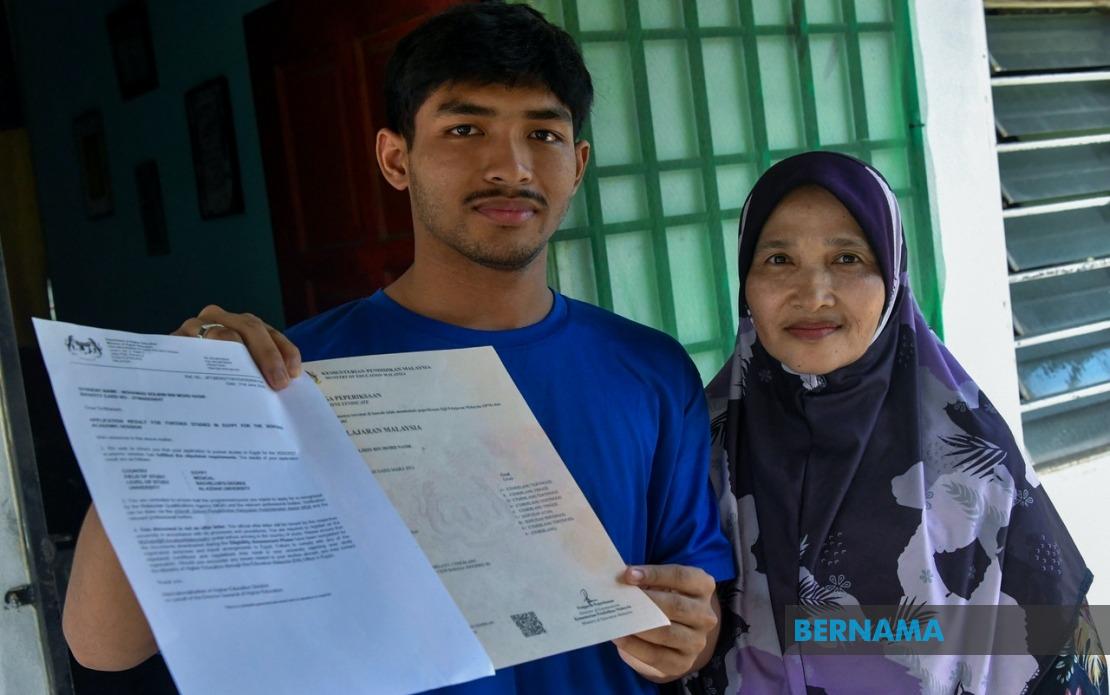
A promising medical student from Kelantan facing an impossible financial choice has been handed a lifeline by Malaysia's state-owned development authority. Mohamad Solihin Mohd Nasir, 19, stood on the brink of declining his acceptance to study medicine at Al-Azhar University in Egypt because his family could not afford the approximately RM100,000 required to cover tuition and living costs across the five-year programme. The intervention by the Majlis Amanah Rakyat (MARA) has transformed what appeared to be a heartbreaking setback into a genuine opportunity for the former MRSM Jeli student to pursue his longstanding medical ambitions.
The pathway forward now presents Mohamad Solihin with meaningful options. MARA chairman Datuk Dr Asyraf Wajdi Dusuki detailed two routes during a video consultation at the student's family home in Kampung Kubang Keranji, Kota Bharu. Should Mohamad Solihin choose to proceed to Egypt, MARA would facilitate comprehensive support encompassing an Arabic language preparatory course to satisfy Al-Azhar's entrance requirements before commencing formal medical studies. Alternatively, the agency stands ready to sponsor his medical education through Universiti Sains Malaysia Health Campus (USMKK), providing a local pathway with reduced logistical complexity for his family.
Mohamad Solihin's circumstances exemplify precisely the demographic MARA targets through its support mechanisms. The student achieved a remarkable cumulative grade point average of 3.96 during his matriculation studies at Kelantan Matriculation College, demonstrating the academic calibre that justifies institutional investment. Yet stellar grades alone cannot overcome crushing economic barriers. His father, Mohd Nasir Abdul Rahman, succumbed to a heart attack in 2014 when Mohamad Solihin was merely in primary school, leaving the family without paternal financial security during formative years. His mother, Faridah Mohamad, now 60 and managing thyroid disease, depends substantially on assistance from her other children to maintain household stability.
The weight of these family circumstances pressed heavily on Mohamad Solihin when he received his Al-Azhar acceptance on June 15. As the youngest among five siblings, he confronted an agonising calculus: honour a prestigious international academic opportunity or acknowledge the practical impossibility of his family meeting the substantial financial obligations. His initial inclination toward rejection stemmed not from academic doubt but from an acute awareness of parental sacrifice and limited household resources. Faridah spoke candidly about the family's constraints, explaining that while she harboured immense pride in her son's achievement, she possessed no realistic means to finance his education abroad without external intervention.
The inspiration driving Mohamad Solihin's medical ambitions carries profound personal resonance. His aspiration to become a cardiothoracic surgeon traces directly to his father's early death from heart disease—a tragedy that crystallised his determination to enter medicine and potentially save others from similar fates. This isn't merely career selection but a response to profound personal loss, transforming grief into purposeful professional direction. Such depth of motivation, combined with demonstrated academic excellence, marks him as precisely the type of high-achieving student from disadvantaged circumstances whom development authorities should prioritise, according to Asyraf Wajdi's statement regarding MARA's selection philosophy.
The broader context of educational access in Malaysia frames this intervention's significance. Many Malaysian families, particularly in less-developed states like Kelantan, lack the financial capacity to support their children through expensive international qualifications despite possessing the intellectual capability. Talented students from single-parent households and families managing chronic health conditions encounter compounded barriers. By stepping in for Mohamad Solihin, MARA addresses a genuine structural gap in educational opportunity distribution—one that often sees potential squandered due to circumstances entirely beyond individual control.
Teachers at MRSM Jeli recognised the stakes and mobilised support mechanisms within their reach, launching fundraising initiatives to address the shortfall. Multiple community and religious organisations also received formal assistance applications from the family, including the Kelantan Islamic Religious and Malay Customs Council, Kelantan Islamic Foundation, and Kelantan Darulnaim Foundation. This multi-institutional response reflects broader community recognition that Mohamad Solihin's situation transcends individual family struggle and merits coordinated support from established development channels.
The timeline for Mohamad Solihin's potential departure has already commenced. He is scheduled to travel to Egypt between August 21 and 29, provided that funding arrangements crystallise successfully in coming weeks. This compressed schedule underscores the urgency facing the family and emphasises why MARA's rapid response carried such significance. Delay would have forced increasingly difficult decisions about programme deferral or permanent abandonment of the international opportunity.
Mohamad Solihin himself expressed clear preference for pursuing his studies at Al-Azhar University, indicating willingness to undertake the Arabic language preparation course that MARA would facilitate. His determination persists despite the obstacles already encountered, suggesting resilience that should serve him well throughout demanding medical studies. During their video call, Asyraf Wajdi offered not merely bureaucratic assistance but encouragement for the student to maintain spiritual fortitude and religious commitment throughout his studies—acknowledging that overseas education presents both academic and personal challenges requiring strong moral grounding.
The public dimension of this story has been deliberately preserved through transparent reporting of Mohamad Solihin's circumstances and explicit mention of banking channels through which individuals sympathetic to his situation may contribute additional support. This mechanism recognises that community fundraising, alongside institutional backing, can supplement official assistance and demonstrate how Malaysian society mobilises collectively when confronted with compelling stories of potential constrained by circumstance. For a talented student nearly denied opportunity purely through financial accident of birth, such layered support systems ultimately prove determinative.

