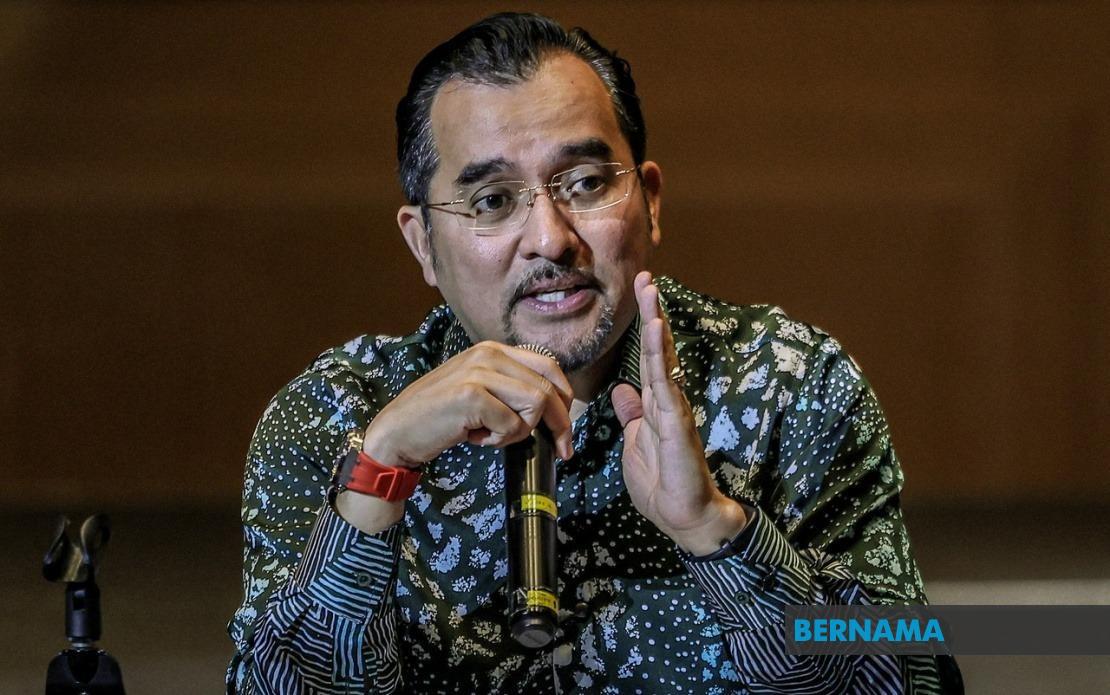
KUALA LUMPUR -- Governance overhaul will dominate the proposed MARA Bill 2026, with approximately four-fifths of its provisions addressing structural and management reforms, according to MARA chairman Datuk Dr Asyraf Wajdi Dusuki. The Cabinet has already endorsed the Bill in principle, with parliamentary tabling expected before year-end, signalling the government's commitment to comprehensively restructuring Majlis Amanah Rakyat, the statutory agency responsible for advancing Bumiputera economic interests across the country.
The legislative push responds to a pattern of governance failures that have exposed the Bumiputera development institution to mismanagement, financial leakages, and institutional vulnerability. By concentrating the Bill's architecture on internal control mechanisms rather than policy expansion, policymakers acknowledge that MARA's foundational weakness lies not in its mandate but in how power has been distributed and exercised within its hierarchy. The reform agenda aims to prevent future instances of abuse of authority, rectify longstanding management gaps, halt the misappropriation of resources, and eliminate the operational irregularities and waste that have historically plagued the organisation.
Central to this recalibration is a fundamental restructuring of the MARA chairman's role. Currently operating under the MARA Act 1966, the chairman wields consolidated authority encompassing board leadership alongside operational decision-making powers that extend beyond pure governance matters. The new legislation will deliberately circumscribe these powers, confining the chairman's remit to board stewardship and strategic policy determination, thereby removing the operational discretion that has historically enabled governance lapses. This separation of authority between the Board and management represents a deliberate institutional check, designed to establish clear accountability lines and prevent concentration of power in a single office.
Enhancing board composition and tenure represents another critical governance dimension embedded within the Bill. The legislation will establish explicit "fit and proper" criteria for Board member appointments, ensuring that individuals appointed to steward MARA's assets and strategy meet defined competency and integrity standards. Term limitations for Board members will introduce disciplinary accountability through the prospect of non-reappointment and prevent the entrenchment of underperforming governors. These measures reflect global best practice in corporate administration and position MARA within contemporary governance norms observed across developed economies and multilateral institutions.
Financial and procurement discipline will receive heightened regulatory attention under the reformed legislative framework. The Bill mandates that financial management and purchasing practices conform to both national standards and internationally recognised protocols, addressing a historical vulnerability where MARA's procurement processes have lagged institutional best practice. This standardisation serves multiple objectives: it reduces opportunities for misallocation of resources, enhances transparency in vendor selection and contract management, and aligns MARA's operational practices with accountability expectations increasingly demanded by Malaysian stakeholders and international development partners.
The establishment of mandatory Board committees signals a shift toward specialised governance oversight. The Bill creates dedicated committees for audit, investment, finance and governance, and risk management, enabling the Board to exercise granular oversight across critical operational dimensions. Rather than depending on full Board deliberation across diverse technical matters, these committees allow directors with relevant expertise to examine detailed performance data, challenge management assumptions, and identify emerging risks before they crystallise into institutional crises. The introduction of a Syariah Committee represents an additional innovation, ensuring that MARA operations remain consistent with Islamic principles--a substantive governance consideration previously absent from the statutory framework.
These legislative provisions reflect transformative work initiated since Asyraf Wajdi assumed the MARA chairmanship on March 10, 2023. The chairman commissioned a governance assessment led by former Bank Negara Malaysia governor Tan Sri Muhammad Ibrahim, whose task force identified systemic vulnerabilities requiring institutional correction. The diagnosis prompted immediate operational reforms that preceded formal legislative change: MARA implemented rigorous financial discipline protocols, commissioned forensic audits of subsidiary entities to expose historical irregularities, centralised internal audit functions across MARA and MARA Corp to eliminate duplicative or weak oversight, and reconstructed the procurement division to eliminate discretionary purchasing practices.
Operational transparency has been substantially enhanced through reporting infrastructure improvements. Monthly financial performance reports now flow from management to the MARA Council, providing continuous visibility into operational performance rather than periodic or ad-hoc reporting. This monthly cadence aligns MARA's internal reporting with international corporate governance standards and enables the Council to detect performance deviations or emerging problems before they accumulate into significant institutional damage. By contrast, the prior regime often permitted operational deterioration to remain undetected for extended periods, compounding losses and extending the period during which corrective action could be pursued.
For Malaysian stakeholders, particularly those dependent on MARA's scholarship programmes, business development support, and financial assistance schemes, the governance reforms carry direct relevance. Institutional credibility deteriorates when mismanagement consumes resources intended for Bumiputera beneficiaries, diverting capital from productive investments and scholarship allocations toward administrative dysfunction and corrupt practices. By strengthening governance architecture, the reforms aim to recover institutional effectiveness and ensure that MARA fulfils its constitutional mandate to advance Bumiputera economic participation with integrity and efficiency.
The proposed Bill also carries implications for Malaysia's broader developmental governance trajectory. As MARA undertakes comprehensive institutional restructuring, the model established through this legislation may influence governance reform discussions affecting other statutory agencies and government-linked companies. The explicit separation of powers between Board and management, the introduction of independent committee oversight, the formalisation of competency criteria for public sector leaders, and the alignment with international governance standards represent a sophisticated institutional blueprint that transcends MARA's particular circumstances.
From a Southeast Asian perspective, MARA's governance evolution reflects broader regional discussions concerning institutional accountability, developmental effectiveness, and the relationship between state agencies and market discipline. Malaysia's approach--combining statutory reform with operational restructuring and external expertise--demonstrates one model for rehabilitating troubled public institutions without dismantling their social mission. As other regional economies grapple with similar governance challenges within development-focused agencies, Malaysia's experience with MARA modernisation offers instructive lessons regarding the technical and political dimensions of institutional change.
The parliamentary tabling of the MARA Bill 2026 before year-end will mark a formal milestone in Malaysia's commitment to institutional accountability. The comprehensive nature of governance provisions, the Cabinet's preliminary endorsement, and the sustained momentum from operational reforms already undertaken suggest strong institutional backing for this legislative agenda. Success in implementation will depend on robust enforcement of the new governance provisions, sustained political commitment to upholding checks on authority despite potential pressure for institutional flexibility, and the willingness of future MARA leadership to maintain the governance disciplines embedded within the new statutory framework.

