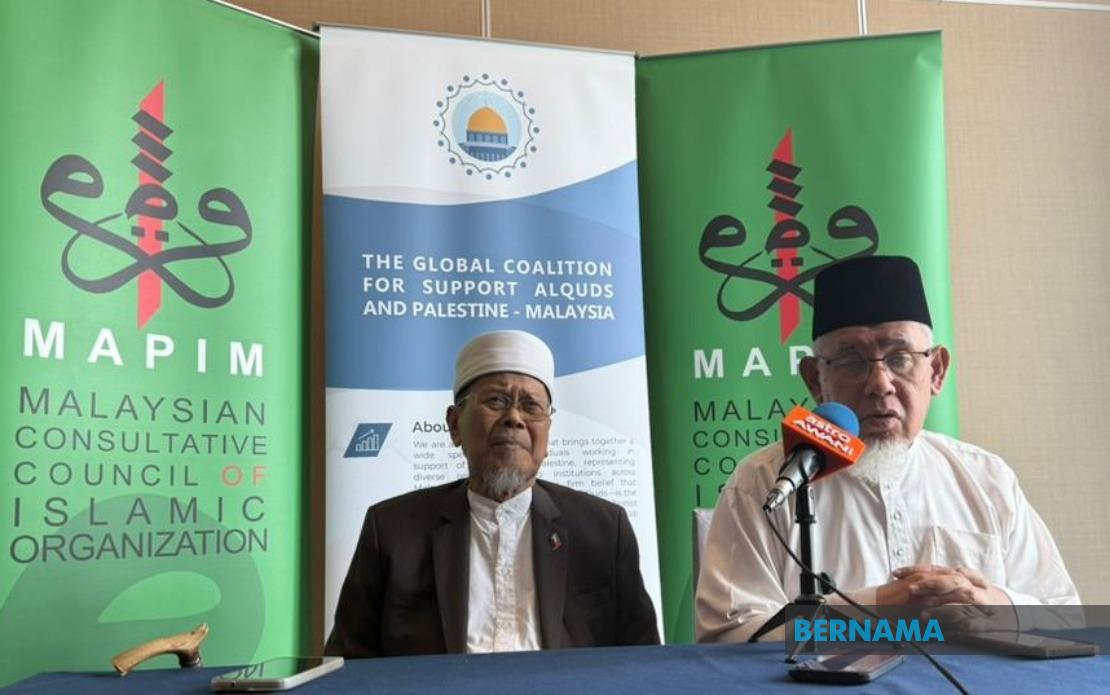
A major Malaysian Islamic humanitarian organisation has announced plans to deploy assistance personnel to Nepal beginning September 5, responding to one of South Asia's deadliest natural disasters in recent years. The Malaysian Consultative Council of Islamic Organisations, known as MAPIM, confirmed the initiative during remarks made in Ipoh on Wednesday, targeting communities devastated by catastrophic flash flooding that swept through the Himalayan nation just days earlier.
The scope of the disaster has emerged as particularly severe. On August 26, an avalanche triggered massive flooding along popular trekking routes in Nepal's mountainous regions, transforming mountain rivers into torrents that carried rocks, ice, and debris through inhabited villages and damaged critical infrastructure. The death toll stands at a minimum of 469 individuals, though authorities acknowledge that more than 1,400 people remain unaccounted for, creating significant uncertainty about final casualty figures. Among the missing are nearly 540 foreign nationals, complicating search and identification efforts.
For Malaysia specifically, the tragedy has created acute concern within the government and civil society. The Ministry of Foreign Affairs has documented 57 Malaysian nationals whose whereabouts remain unknown following the disaster, based on reports compiled from family members, associates, and employers as of late on August 27. This figure underscores Malaysia's substantial tourism presence in Nepal, particularly among trekkers and mountaineers who frequent the Kathmandu-to-Tibet routes that were most severely affected by the flooding.
MAPIM's response strategy reflects a phased approach to emergency assistance. The initial deployment will comprise four volunteer coordinators whose primary function will involve surveying affected areas to compile detailed assessments of humanitarian needs and catalogue available resources. Rather than operating in isolation, MAPIM has initiated collaborative arrangements with multiple humanitarian partners, including the established Malaysian charity MyCare and two locally-based Nepali non-governmental organisations. This multi-stakeholder approach aims to maximise the effectiveness of relief efforts and establish sustainable channels for delivering aid to the most vulnerable populations.
The organisation's leadership has identified specific priority areas for intervention. Medical supplies constitute the most urgent requirement, reflecting the scale of injuries likely sustained across the disaster zone and the potential for disease outbreaks in crowded displacement camps. Following medical needs, MAPIM has designated distribution of basic food packages as the secondary priority, addressing immediate sustenance challenges facing survivors who may lack access to functioning supply chains in isolated mountain communities.
MAPIM president Mohd Azmi Abdul Hamid explained that preliminary coordination with Nepal's diplomatic mission in Malaysia provided crucial context for planning the mission's composition and resource allocation. The initial contact with the Embassy of Nepal enabled the organisation to obtain situational briefings necessary for informed decision-making about which regions would benefit most from intervention and what logistical challenges might confront relief workers operating in mountainous terrain where infrastructure has been severely compromised.
The timing of Nepal's disaster carries particular significance for Malaysia's foreign policy stance. As a Muslim-majority nation with strong Islamic civil society networks, Malaysia's humanitarian response through MAPIM sends a distinct message about the country's commitment to disaster relief across religious and cultural boundaries. Nepal, while predominantly Hindu, has experienced a major catastrophe affecting multiple nationalities and faiths, positioning Malaysia's response as part of broader international solidarity mechanisms rather than sectarian assistance.
MAPIM has committed to formally briefing the Prime Minister, Datuk Seri Anwar Ibrahim, regarding the mission's details and operational timeline. This high-level engagement underscores the initiative's significance within Malaysia's diplomatic and humanitarian framework, potentially signalling government endorsement and coordination with official development assistance channels. Such alignment between civil society organisations and government structures often enhances relief mission effectiveness by providing access to official diplomatic channels and coordination with international humanitarian frameworks already operating in Nepal.
The disaster's geographic context adds complexity to rescue and relief operations. The affected areas encompass remote Himalayan valleys linked to major trekking circuits that form Nepal's vital tourism economy. The rupture of infrastructure along these routes has disrupted not only emergency response capabilities but also the livelihoods of communities dependent on seasonal trekking traffic. MAPIM's deployment of coordinators and material assistance addresses both immediate humanitarian needs and the beginning of longer-term recovery considerations.
For Malaysian readers, this disaster and the country's response illuminate broader patterns in Southeast Asian vulnerability to climate-related extreme weather events. Nepal's experience with avalanche-triggered flash flooding reflects similar risks facing mountainous regions throughout the Himalayan and Tibetan plateau zones, including areas frequented by Malaysian tourists and mountaineers. The comprehensive international response mobilising across borders demonstrates evolving frameworks for rapid humanitarian deployment that may inform how Malaysia itself prepares for similar domestic disasters.
The involvement of multiple stakeholders in the Nepal response represents contemporary humanitarian practice emphasising coordination and burden-sharing among governmental, civil society, and international organisations. For Malaysian NGOs like MAPIM and MyCare, participation in major international relief operations provides operational experience, networking opportunities with international humanitarian bodies, and demonstrates Malaysian civil society's capacity to organise complex cross-border initiatives rapidly. Such capabilities strengthen Malaysia's standing within regional humanitarian networks and position the country as a credible partner in disaster response mechanisms.

