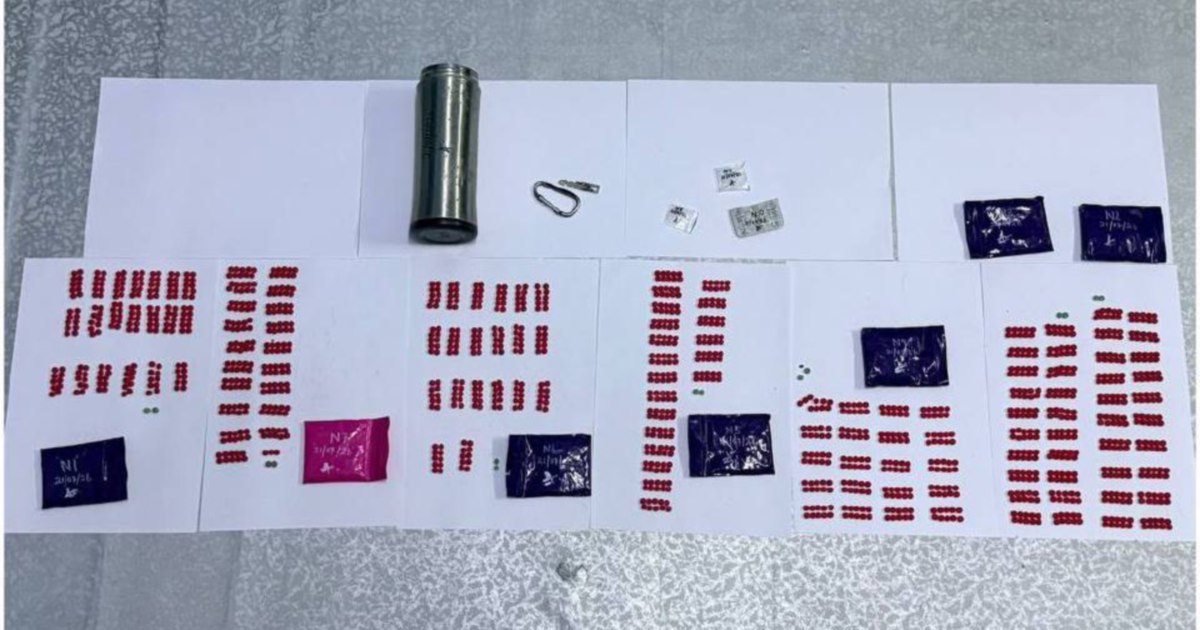
Law enforcement agencies have intensified their crackdown on drug trafficking networks, arresting multiple suspects during a coordinated Gathering of Friends (GOF) operation. Among those detained is a man with an extensive criminal history spanning six prior drug-related convictions, signalling the persistent challenge authorities face in combating repeat offenders within Malaysia's drug underworld.
The GOF operation, a police initiative designed to dismantle organised drug distribution networks, has become increasingly critical as trafficking syndicates continue adapting their methods to evade detection. The inclusion of a repeat offender with such a substantial conviction record underscores a troubling pattern: individuals previously processed through the criminal justice system are returning to illicit drug activities, often resuming operations within months of release.
For Malaysian law enforcement, this arrest represents a significant operational success, yet it also highlights systemic vulnerabilities in rehabilitation and post-release monitoring mechanisms. Offenders with six prior convictions typically face progressively severe sentences under Malaysia's mandatory sentencing framework, yet their re-engagement in criminal activity suggests that incarceration alone may not serve as a sufficient deterrent or rehabilitation tool.
The GOF raids cast a wider net than the apprehension of this single high-profile suspect. Multiple locations were targeted simultaneously, a tactical approach designed to prevent suspects from coordinating escape routes or destroying evidence. Coordinated operations of this scale require substantial intelligence gathering beforehand, suggesting that police narcotics divisions have been tracking these networks for some time before moving in for arrests.
The geographic scope of these raids demonstrates the interconnected nature of drug distribution in Malaysia. What may appear as isolated street-level transactions are typically connected to larger regional supply chains that span multiple states. By targeting numerous locations concurrently, authorities disrupt the operational continuity of these networks, at least temporarily forcing restructuring and creating opportunities for intelligence gathering on higher-level organisational structures.
Repeat offenders like the six-time convicted individual present particular challenges for law enforcement strategy. Each previous arrest and conviction represents a learning opportunity for the suspect, who gains familiarity with police procedures, investigative techniques, and potential vulnerabilities in evidence collection. Such individuals often become more sophisticated in their operations, employing counter-surveillance measures and utilising intermediaries to distance themselves from direct involvement in transactions.
Malaysia's narcotics enforcement framework relies heavily on mandatory minimum sentences, particularly for trafficking offences involving quantities above specified thresholds. The existence of an offender with six prior convictions raises questions about the effectiveness of this approach in isolation. While deterrence through severe penalties serves an important function, it appears insufficient when addressing individuals who return to criminal activity despite previous encounters with the justice system.
The GOF operation's timing and scope suggest a response to intelligence indicating increased trafficking activity or the emergence of new distribution channels. Drug trafficking networks in Southeast Asia are notoriously fluid, responding quickly to enforcement pressure by shifting routes, modifying transportation methods, or changing operating patterns. Police must maintain constant operational pressure to prevent these networks from establishing permanent infrastructure and customer bases.
For neighbouring Southeast Asian countries, Malaysia's enforcement actions carry regional significance. The nation serves as a transit point for narcotics moving between source regions and consumption markets, while also experiencing substantial domestic demand. Successful disruption of local distribution networks and apprehension of key players can have ripple effects across the region, potentially disrupting supply chains that feed multiple countries' illicit markets.
The arrest of multiple suspects simultaneously during GOF operations typically leads to extended investigations as authorities analyse seized materials, examine financial records, and conduct interrogations. Information obtained from suspects can illuminate relationships between trafficking cells, supply sources, and distribution hierarchies. Such intelligence often proves more valuable than the arrests themselves, potentially enabling future operations targeting higher-level figures within drug syndicates.
Police coordination at the federal and state levels remains essential for effectively executing operations of this scale. The GOF raids require cooperation between narcotics officers, intelligence units, and frontline police personnel. Successful execution depends on meticulous planning to prevent premature disclosure of the operation and to ensure officer safety during the potentially dangerous process of apprehending individuals engaged in serious criminal activity.
As Malaysia continues grappling with drug trafficking challenges, operations like the GOF initiative represent essential but resource-intensive responses to a persistent problem. The apprehension of repeat offenders demonstrates that enforcement remains possible, yet the cycle of arrest, conviction, release, and re-engagement suggests that comprehensive solutions must extend beyond policing into rehabilitation, monitoring, and addressing underlying drivers of involvement in drug-related criminality. The success of such operations will ultimately be measured not merely in arrests made, but in whether they meaningfully disrupt trafficking networks and reduce drug availability within Malaysian communities.

