A man has been taken into custody by Negeri Sembilan police following the discovery of a social media post that authorities believe contained insulting remarks targeting the state's ruling institution. The arrest marks another incident in Malaysia's ongoing efforts to safeguard the dignity and respect owed to the monarchy, a matter treated with considerable seriousness under the country's legal framework.
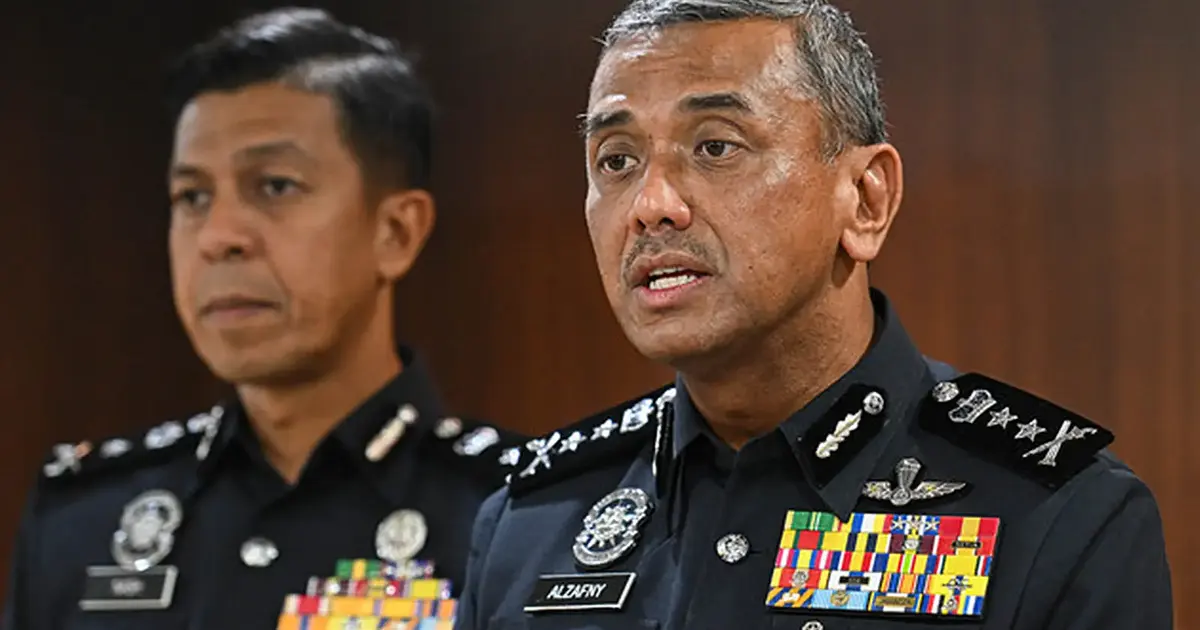
Negeri Sembilan police chief Alzafny Ahmad confirmed the apprehension and disclosed that the suspect's mobile phone was seized during the operation. The device will be retained as crucial evidence during the investigation phase, as police work to establish the circumstances surrounding the alleged offensive post and identify other potential evidence stored on the handset.
The case reflects the sensitivity surrounding remarks about Malaysia's royal institutions, particularly on digital platforms where content can spread rapidly across networks. Social media has emerged as a common venue for such incidents, prompting law enforcement agencies nationwide to monitor online spaces more closely and respond swiftly to reports of alleged disrespect toward the monarchy.
Negeri Sembilan, one of Malaysia's constituent states, maintains the unique constitutional arrangement of an elected monarchy, where the ruler is chosen among the nine chief princes of the Darul Khusus federation through a system of rotation. This distinctive system underscores the particular importance the state places on protecting its royal institution from public affront or denigration.
The apprehension occurred against the backdrop of heightened vigilance regarding online conduct in Malaysia. Several laws govern such matters, including provisions within the Penal Code addressing sedition and contempt, as well as the Communications and Multimedia Act, which carries penalties for improper use of network facilities. Authorities have increasingly deployed these legal instruments to pursue individuals whose digital communications are deemed to cross the line of acceptable discourse regarding royal figures.
The seizure of the suspect's mobile phone represents standard investigative procedure in such cases. Forensic examination of the device will likely focus on recovering the original post, establishing its timeline, identifying any associated accounts, and determining whether related material exists on the handset. This digital forensics work is crucial for building a comprehensive case.
For Malaysian readers, this incident underscores the importance of exercising caution when engaging in online discourse about royal institutions. What might seem like a fleeting comment or shared sentiment in digital spaces can trigger legal consequences, as enforcement agencies maintain dedicated teams monitoring social platforms for potential violations. The boundary between legitimate political criticism and insulting speech remains a contested area, but posts explicitly denigrating or showing disrespect toward ruling families clearly cross that threshold.
The case also illustrates a broader regional trend, as several Southeast Asian nations with monarchies maintain comparable protections for their royal institutions. Thailand's strict laws governing speech about the monarchy, for instance, have become internationally recognized for their stringency. Malaysia's approach, while perhaps less severe, nonetheless reflects the serious manner in which these nations view the protection of their royal dignity.
Cybercrimes and digital offences have become increasingly prevalent in Malaysia's criminal justice system. Police forces have expanded their technical capabilities to trace online activity, identify perpetrators across encrypted platforms, and preserve digital evidence suitable for prosecution. The Negeri Sembilan police force's swift action in this case demonstrates the state constabulary's commitment to rapid response on such matters.
The investigation will likely involve technical expertise to authenticate the post's origin, establish the suspect's involvement beyond reasonable doubt, and determine whether aggravating factors exist. Investigators will examine the content's wording, context, and reach to assess the severity of the alleged transgression and build a proportionate case.
This arrest serves as a reminder to social media users across Malaysia that their digital footprint carries consequences. Anonymous accounts, private group memberships, and deleted posts do not necessarily provide immunity from detection, as law enforcement increasingly possesses the technological means to trace activity across platforms. The prevalence of sophisticated digital forensics has made it considerably more difficult for individuals to evade accountability for online conduct.
The outcome of this case could provide instructive guidance for other users regarding the permissible bounds of online expression concerning royal figures. As Malaysia navigates the tension between protecting digital freedoms and safeguarding institutions, cases such as this continue to define those boundaries in practical terms, shaping public understanding of what constitutes acceptable conduct in the digital sphere.

