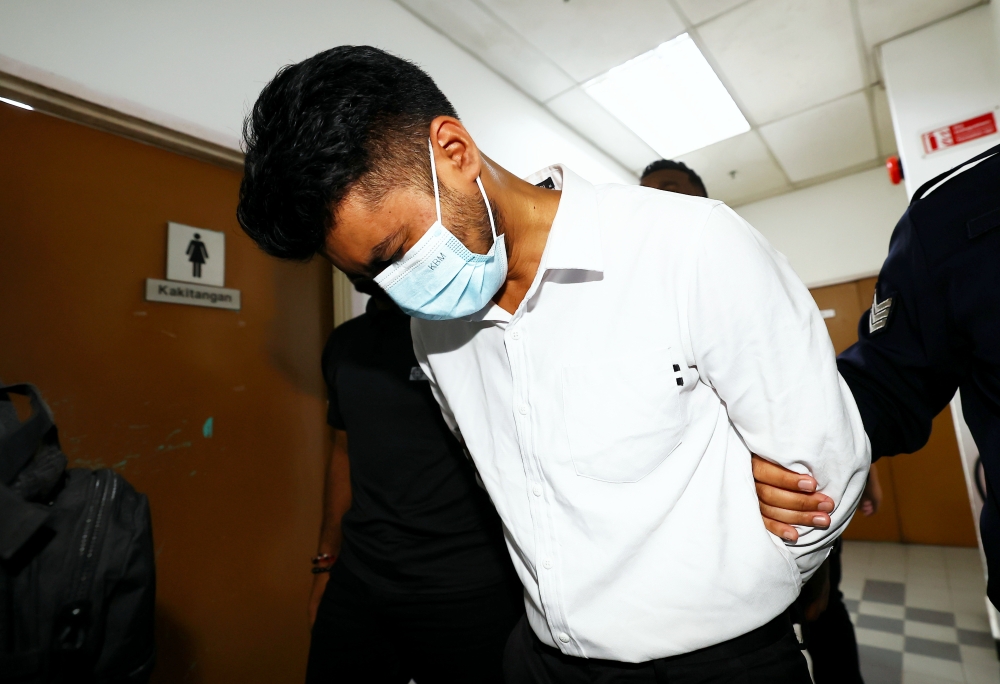
A 40-year-old customer service officer appeared in Johor Bahru Magistrate's Court today to face a murder charge stemming from the death of an 18-month-old child. The legal proceedings mark a significant development in what was initially investigated as a natural death but has since been reclassified following fresh examination of the evidence and circumstances surrounding the incident three years ago.
The delayed charging underscores persistent challenges within Malaysia's criminal investigation framework, particularly in cases involving young children where determining cause of death requires careful pathological assessment. The lapse between the initial incident and formal murder charges raises questions about the thoroughness of preliminary inquiries and the protocols governing when cases are escalated from routine death investigations to serious crime investigations.
In Johor, where child welfare concerns have periodically made headlines, this case reflects broader patterns seen across Southeast Asia where deaths involving vulnerable victims sometimes require reinvestigation after initial medical conclusions prove inadequate. The three-year gap between the child's death and the murder charge suggests that investigators may have uncovered new evidence, received updated medical findings, or identified inconsistencies in earlier statements that prompted the reclassification.
Murder charges in cases involving very young children carry significant judicial weight in Malaysia, as courts must consider both the vulnerability of the victim and the circumstances indicating deliberate or reckless conduct leading to death. The distinction between natural causes, accidental death, and homicide in cases involving toddlers requires specialists in forensic pathology and pediatric medicine to examine evidence thoroughly. Such expertise is not uniformly available across all Malaysian districts, potentially contributing to initial misclassifications.
The defendant's occupation as a customer service officer provides limited insight into his background or circumstances. However, the residence in Johor Bahru, the state capital, suggests access to medical facilities that should have conducted thorough death investigations initially. The presence of the accused in court indicates that preliminary evidence gathered subsequent to the initial inquiry proved compelling enough to warrant formal charges, a threshold that requires magistrates to find reasonable grounds for believing the offense occurred.
For Malaysian legal observers, this case illustrates the tension between swift case closure and comprehensive investigation. When deaths are initially classified as natural or accidental, reopening them years later demands not only new evidence but also careful handling to ensure investigation integrity and protect the rights of the accused. The Malaysian court system, while functioning effectively in many respects, occasionally experiences delays and requires institutional strengthening to prevent such extended gaps between incidents and prosecutions.
The implications for family law and child protection in Johor extend beyond this single case. Parents and caregivers expect that child deaths will trigger appropriate investigative responses proportional to the circumstances. Conversely, those accused of crimes have constitutional rights to prompt charging and fair trial procedures. Balancing these competing interests while ensuring public confidence in child protection mechanisms remains an ongoing challenge for Malaysian authorities.
Regionally, Malaysia's experience with such cases reflects patterns seen in other Southeast Asian jurisdictions where evolving forensic capabilities and increased awareness of child abuse have led to reinvestigation of previously closed cases. Thailand, Singapore, and Indonesia have all experienced similar situations where improved medical understanding or additional evidence prompted authorities to pursue charges years after initial incidents. These developments represent maturation of investigative practices rather than incompetence, though they do highlight the importance of maintaining comprehensive records and evidence preservation protocols.
The Johor Magistrate's Court proceedings will determine whether the case proceeds to higher courts for trial. Murder convictions require evidence proving either intentional killing or death resulting from conduct undertaken with knowledge of probable consequences. In cases involving children, prosecutors must present clear pathological evidence of foul play alongside circumstantial factors and witness testimony to overcome the presumption of innocence.
For families who have experienced child deaths, this case serves as a reminder that persistent questioning and requests for second medical opinions may occasionally uncover previously overlooked evidence. Medical examiners and investigators in Malaysia have gradually adopted more rigorous protocols for examining deaths of young children, influenced by international best practices and training programs coordinated through the National Institute of Forensic Medicine and other institutional partners.
The court's handling of this matter will likely attract attention from child welfare advocates and legal professionals interested in how Malaysian justice systems investigate and prosecute crimes against vulnerable victims. Beyond the immediate case, observers will assess whether procedural improvements and institutional changes have been implemented to prevent similar investigative delays in future incidents. The transparency of the charging decision and subsequent court proceedings will offer insight into the quality of evidence gathered during both the initial response and the subsequent reinvestigation.

