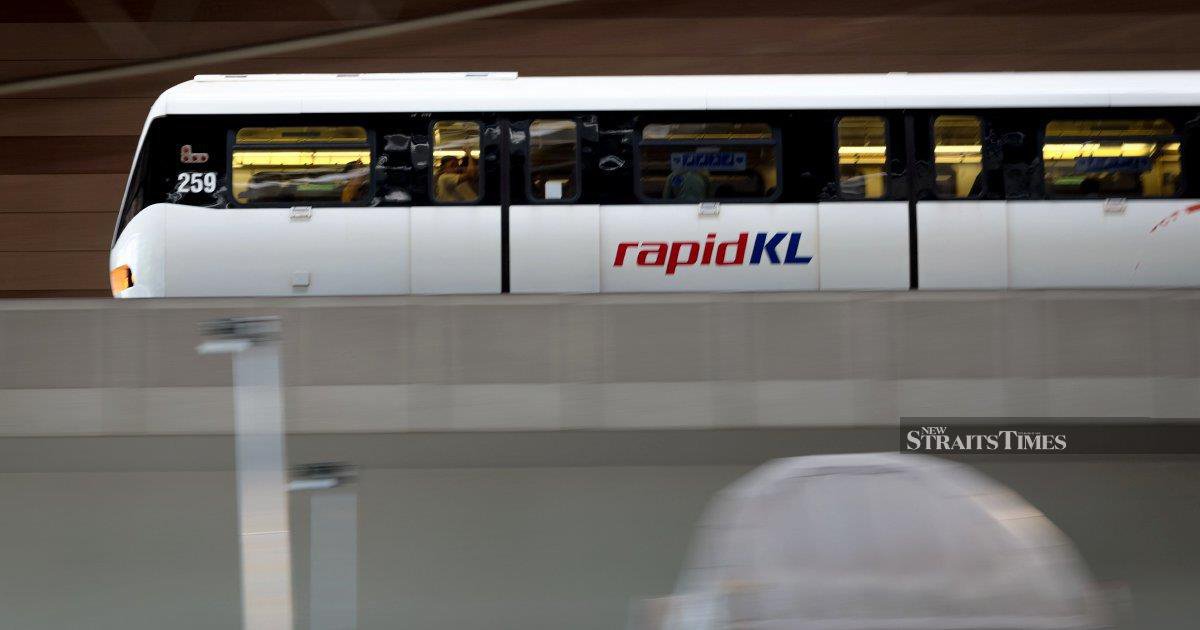
A male suspect was taken into custody by authorities following an unauthorised incursion into the operational track zone at Jalan Meru Station on the Shah Alam Line, resulting in a brief suspension of Rapid KL services during early morning hours. The incident highlights ongoing concerns about railway safety and the vulnerability of public transport infrastructure to security breaches, an issue that transit authorities across Malaysia have been working to address through enhanced boundary enforcement and surveillance measures.
The trespassing episode occurred when the individual was found on the railway tracks, prompting immediate intervention from station staff and security personnel. The swift response by Rapid KL's operational team ensured that the intrusion was contained before any serious incident could develop, though the unauthorised presence necessitated a temporary halt to train movements through the affected section. Such incidents, while infrequent, underscore the need for continuous vigilance at transit facilities serving the Greater Kuala Lumpur metropolitan area.
Jalan Meru Station serves as a critical interchange point on the Shah Alam Line network, which connects numerous residential areas and commercial hubs across the Klang Valley. Any disruption to services at this location has ripple effects throughout the broader rapid transit system, affecting thousands of commuters who depend on reliable morning schedules to reach their workplaces and educational institutions. The incident occurred during peak travel preparation hours, magnifying its impact on the daily routines of regular passengers.
The circumstances leading to the man's unauthorised track access remain under investigation by authorities. While specific details regarding his motivations have not been disclosed, such breaches typically occur either through deliberate attempts to access restricted areas or through inadvertent lapses in security protocols. Police have opened a case file to explore the incident thoroughly and determine whether any additional charges or safety concerns warrant escalation.
Rapid KL has implemented multiple security layers at its stations, including perimeter fencing, surveillance systems, and trained station personnel tasked with monitoring restricted zones. However, the vastness of the network and the numerous access points present persistent challenges for maintaining absolute boundary control. The organisation continues to evaluate and upgrade its security infrastructure in collaboration with Malaysian law enforcement agencies.
The arrest marks the latest in a series of railway security incidents that have tested the response capabilities of transit operators throughout Malaysia. Public transport providers have recognised that protecting passengers and staff requires a multi-faceted approach combining physical barriers, technological monitoring, trained personnel, and public awareness initiatives. Educating the travelling public about the dangers of track interference remains a crucial component of these comprehensive safety strategies.
For passengers relying on the Shah Alam Line during this incident, the temporary service interruption created scheduling challenges and frustration, particularly for those with time-sensitive commitments. Rapid KL's ability to resume normal operations quickly helped mitigate the disruption, though the incident serves as a reminder of how individual actions can impact the mobility of entire communities dependent on coordinated public transport systems.
The investigation into the suspect's identity and background will determine what legal consequences apply under relevant Malaysian railway security legislation. Authorities have indicated that charges related to trespassing on restricted transport infrastructure carry significant penalties intended to deter similar behaviour and emphasise the seriousness with which such incidents are treated. Public prosecution guidelines recognise that deterrence plays a vital role in protecting critical transport assets.
The Shah Alam Line, which forms part of the Klang Valley integrated rail network, handles substantial passenger volumes daily and represents a significant capital investment by the government and Rapid KL. Protecting these assets from unauthorised access is essential for maintaining service continuity and ensuring the sustainability of public transport options for ordinary Malaysians. Security considerations increasingly feature in long-term planning discussions as the network continues to expand.
Going forward, this incident may prompt Rapid KL to conduct a comprehensive review of security protocols at Jalan Meru Station and comparable facilities throughout the network. Enhanced staff training, upgraded physical barriers, or refined surveillance operations could be among the measures considered. Collaboration with the Malaysian police force and other relevant agencies will likely intensify as stakeholders work collectively to prevent similar occurrences.
The broader Malaysian public transport community will be monitoring how authorities handle this case and what systemic improvements emerge from the investigation. Maintaining public confidence in rail network safety is essential for encouraging continued ridership and supporting the government's broader transportation objectives across the Klang Valley region.

