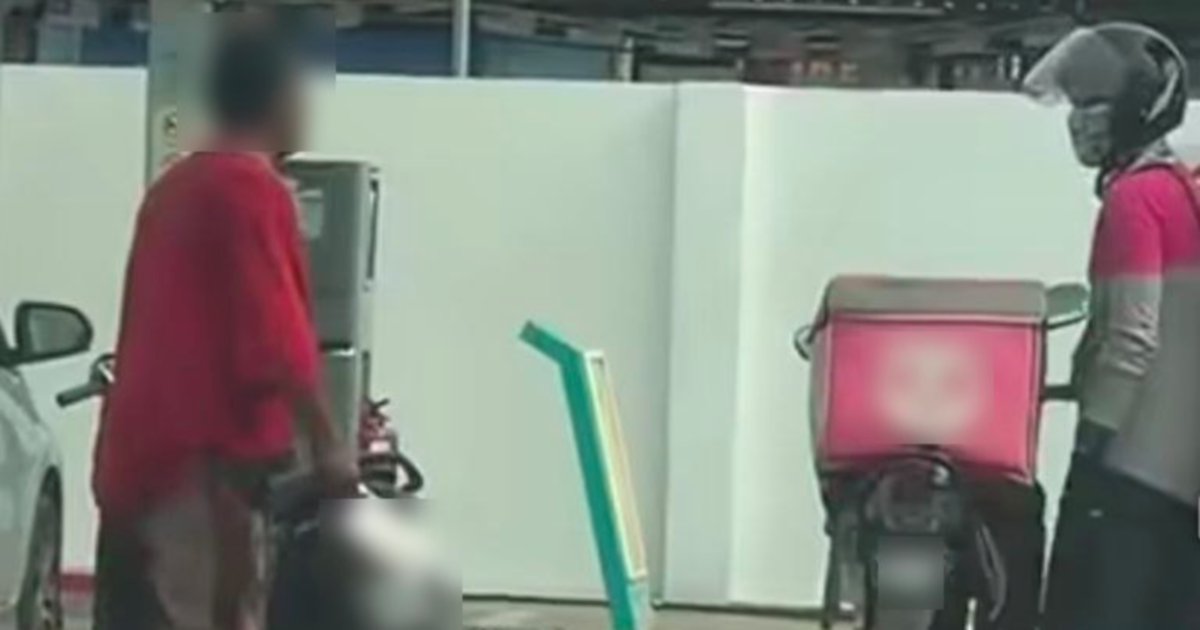
A man faces police custody in Kuala Terengganu following an alarming incident at a petrol station where he reportedly brandished a meat cleaver during a confrontation with a ride-hailing worker. The arrest came after authorities responded to reports of aggressive behaviour at a location on Jalan Pasir Panjang yesterday afternoon, highlighting ongoing safety concerns at public fuelling stations across Malaysia.
The suspect's actions, which included the display of a large kitchen weapon, represent a troubling escalation in road rage and petrol station-related disputes that have become increasingly visible over recent months. Such incidents underscore the vulnerability of gig economy workers who operate flexible hours and often find themselves in isolated or semi-public spaces where confrontations can turn dangerous. The ride-hailing sector, which has expanded rapidly across Malaysia, places workers in frequent contact with strangers in vehicles and now, as this case demonstrates, in various commercial locations.
Officers from the Kuala Terengganu police contingent apprehended the individual after receiving reports from witnesses or the affected party. The specifics surrounding what prompted the confrontation remain under investigation, though police are examining whether the incident stemmed from a traffic dispute, a disagreement over parking, or an unrelated personal conflict that escalated at the fuelling station. Establishing the exact sequence of events is crucial for determining appropriate charges and understanding whether additional factors contributed to the suspect's aggressive conduct.
Weapons-related offences involving cleavers and machetes have drawn stricter enforcement attention from law enforcement across the country in recent years. The deliberate display of such implements, particularly in a public setting like a petrol station, may attract charges beyond simple assault or disorderly conduct. Malaysian law enforcement agencies view brandishing threats and weapon possession in public spaces as serious matters that can endanger multiple bystanders, not merely the immediate target of aggression.
Petrol stations serve as busy transit hubs where interactions between drivers, workers, and the general public occur constantly throughout the day and night. The presence of fuel supplies, tight spaces, and the transient nature of customers create environments where tempers can ignite unexpectedly. Security measures at such locations have become an increasing concern, with many stations now operating CCTV systems and employing additional personnel during peak hours to manage crowds and respond to emergencies quickly.
The ride-hailing industry has expanded dramatically across Malaysia, transforming urban mobility and providing livelihoods for hundreds of thousands of individuals. However, this growth has coincided with reports of confrontations between drivers and passengers, disputes over fares and routes, and increasingly, unprovoked aggressive behaviour from members of the public. Workers in this sector often lack the institutional protections and support systems available to traditionally employed staff, making them vulnerable when altercations occur at unexpected locations.
Investigations into such incidents typically involve reviewing footage from security cameras, obtaining statements from the affected worker and potential witnesses, and conducting forensic examination of the weapon involved. Police aim to establish whether the cleaver was already present in the suspect's vehicle or brought to the scene with the intention of threatening others. Understanding the weapon's origin and the premeditation behind its use significantly impacts the severity of charges pursued.
The mental and emotional impact on the ride-hailing worker cannot be overlooked. Experiencing weapon-based threats during the course of employment creates lasting trauma and may deter individuals from continuing in the profession. Industry associations and passenger safety advocacy groups have increasingly called for better support mechanisms, including trauma counselling, legal assistance, and enhanced incident reporting procedures that feed into law enforcement data collection.
Local communities in Kuala Terengganu will closely monitor the progression of this case, as public safety at commercial establishments affects residents' confidence in using these facilities. Petrol stations, being essential services that operate round the clock, must maintain secure environments where staff and customers feel protected from sudden violence or intimidation. The incident serves as a reminder of the unpredictability inherent in public spaces and the importance of swift police response.
The investigation continues as authorities determine what specific charges the arrested individual will face. Possible offences could include unlawful possession of a weapon, assault, criminal intimidation, or breach of public peace statutes, depending on the circumstances and evidence gathered. The case will likely influence discussions among business operators about security enhancements and staff training for de-escalation techniques when confrontations arise.
This incident also reflects broader societal trends around traffic aggression and public civility in Malaysia. As vehicle ownership increases and roads become more congested, instances of drivers losing their composure and resorting to threatening behaviour have captured media and public attention. Educational campaigns promoting conflict resolution and anger management have been proposed as preventive measures, though their effectiveness remains difficult to quantify. Law enforcement, meanwhile, maintains that swift apprehension and prosecution of aggressive offenders serves as a deterrent and protects potential future victims.

