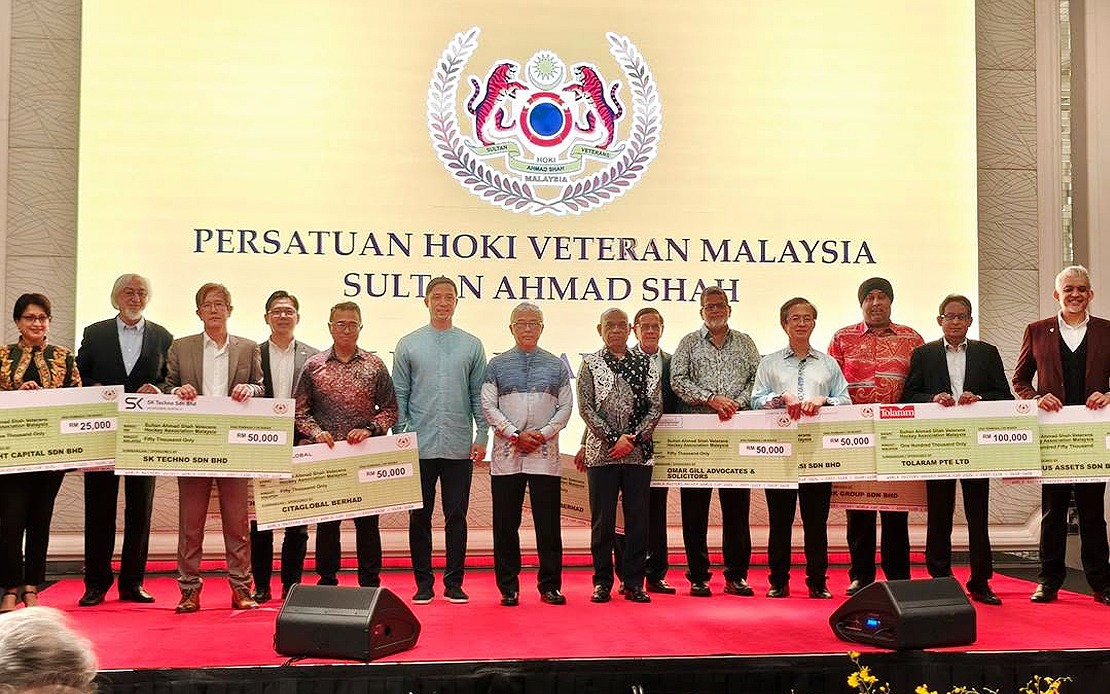
Malaysia's veteran hockey programme has received a substantial financial injection of RM1.36 million to prepare its national squad for the prestigious 2026 Masters Hockey World Cup, bolstering the country's participation across five competing age divisions. The funding, accumulated through pledges and contributions from multiple stakeholders, marks a significant commitment to supporting Malaysia's aging athletes in international hockey competition and underscores growing recognition of veteran sports development within the country's sporting framework.
Tengku Arif Temenggong Tengku Fahad Mu'adzam Shah, president of Sultan Ahmad Shah Malaysian Veteran Hockey Association, outlined the comprehensive allocation strategy during a formal announcement ceremony. The financial package will address critical logistical requirements including athlete accommodation, international travel arrangements, and on-site competition preparation activities that prove essential for teams competing abroad. Beyond these operational necessities, the association has identified a secondary priority: enabling talented former national team players facing economic constraints to participate in the championship, recognising that financial barriers can prevent experienced competitors from representing Malaysia on the world stage.
This funding approach reflects a broader understanding within Malaysian sports administration that veteran athletes often transition from professional careers into periods of reduced earning capacity, potentially excluding them from international opportunities despite possessing world-class experience and credentials. By allocating resources specifically to support financially vulnerable but athletically capable players, the association targets both competitive performance enhancement and social responsibility dimensions of sports governance.
The tournament structure encompasses five distinct age-based competitions, each scheduled across different venues in the Netherlands and Belgium throughout a three-week period. The 40-year-old category will compete at HC Schiedam in Schiedam, while both 45-year-old and 50-year-old divisions will utilise HC Rotterdam's facilities in the Netherlands between July 22 and August 1. The championship's oldest divisions, representing 60-year-old and 65-year-old athletes, will contest matches at HC Olympia in Antwerp, Belgium, and BHV Push in Breda, the Netherlands, respectively, from August 6 through 16. This geographical distribution reflects the logistical complexities of coordinating international veteran competitions across multiple venues.
The Masters Hockey World Cup represents the sport's premier biennial championship exclusively for veteran competitors, maintained as the definitive benchmark for ageing hockey players worldwide seeking elite-level competition. The 2026 edition marks the eighth iteration of this championship series, which traces its institutional origins to 2012 following a strategic merger between the International Masters Hockey Association and the World Grand Masters Association. This consolidation unified formerly fragmented veteran hockey governance structures, establishing a cohesive international framework that has subsequently grown to attract the world's leading veteran teams competing across diverse age categories.
Malaysia's historical involvement in Masters Hockey reflects the nation's enduring hockey heritage and the continued vitality of the sport among retired competitors who maintain competitive ambitions throughout their later years. The biennial championship format provides Malaysian veterans with predictable international exposure, enabling systematic preparation cycles and allowing the national association to build sustained competitive momentum across multiple tournament cycles. By securing dedicated funding mechanisms ahead of the 2026 championship, Malaysia demonstrates institutional confidence in its veteran programme and signals long-term commitment to international competition rather than episodic participation.
The announcement received ceremonial prominence through royal patronage, with the Sultan of Pahang, Al-Sultan Abdullah Ri'ayatuddin Al-Mustafa Billah Shah, attending a formal Royal High Tea event marking the funding disclosure. This high-level acknowledgment reflects the championship's importance within Malaysia's broader sporting agenda and underscores the traditional monarchy's continuing involvement in athletic governance structures. Such ceremonial elevation of veteran sports funding represents a subtle but meaningful signal that competitive participation among ageing athletes commands governmental and institutional respect.
For Malaysian readers, the funding allocation carries implications extending beyond the immediate athlete cohort. Veteran sports participation increasingly shapes national identity narratives around athletic excellence and longevity, demonstrating that competitive achievement transcends conventional age-based retirement paradigms. The international visibility generated by Malaysian veteran competitors in elite championships contributes to the nation's sporting brand within regional and global contexts, enhancing Australia's reputation beyond traditional competitive domains focused exclusively on youth and young-adult athletes.
The RM1.36 million financial commitment also illuminates broader questions surrounding sports funding allocation within Malaysia's complex sports bureaucracy. The association's ability to mobilise substantial resources through multiple contributing parties suggests either institutional relationships with corporate sponsors and governmental bodies, or alternatively, grassroots fundraising among veteran hockey communities themselves. Understanding these funding mechanisms provides insight into how niche sports disciplines sustain international competitiveness despite competing for resources against higher-profile sporting codes that typically attract greater public attention and commercial sponsorship.
Regional competitors from Southeast Asia and beyond will present formidable challenges during the 2026 championship, as international veteran hockey has evolved into genuinely competitive territory where nations invest systematically in preparing experienced athletes for championship performance. Malaysia's funding approach positions the national squad competitively while demonstrating regional commitment to maintaining hockey traditions among aging populations, contributing to Southeast Asia's emerging identity as a region sustaining veteran athletic excellence alongside its traditionally youthful sporting demographics.

