Malaysia's higher education sector is finding its footing with artificial intelligence through structured governance frameworks introduced by the Ministry of Higher Education in 2024. The guidelines on generative AI deployment are proving instrumental in helping universities balance innovation with academic standards, marking a significant step toward responsible technology integration in tertiary education across the country.
Deputy Minister Adam Adli Abdul Halim articulated the framework's success during an address at Melaka's higher education ceremony on July 22, emphasising that institutions have responded constructively by crafting institution-specific policies anchored to the ministry's overarching template. This cascading approach—where central guidelines inform local implementation—reflects a growing recognition that one-size-fits-all regulations rarely work in academia, where diverse disciplines and learning objectives demand tailored approaches.
The practical value of these guidelines becomes evident when examining how they translate into operational reality. Universities have developed standardised procedures for identifying and addressing misuse, established transparent response mechanisms, and created clear SOPs that guide both investigation and resolution. This institutional infrastructure represents a departure from ad-hoc decision-making, potentially reducing inconsistencies in how different faculties or departments handle similar violations.
Crucially, the framework places transparency at its core. Students are now obligated to disclose their use of generative AI within academic work, creating an auditable record that allows educators to evaluate the extent and appropriateness of technology reliance. This declaration requirement shifts the burden of accountability toward learners while providing instructors with concrete information for assessment, rather than forcing them to speculate about AI involvement based on writing style or content anomalies.
The guidelines also reinforce that AI deployment must operate within established academic conventions. Students are expected to maintain rigorous research methodology, proper citation practices, and substantive intellectual contribution—dimensions that generative tools cannot automatically guarantee. This framing prevents the wholesale outsourcing of intellectual work while permitting legitimate deployment of AI as a research assistant or brainstorming catalyst. The distinction between using AI to enhance understanding and using it to circumvent learning appears to be crystallising across Malaysia's universities.
Misconduct cases continue to surface, but the new regulatory environment has furnished institutions with coherent frameworks for managing them. Where previously each university might have responded differently to similar infractions, the shared guidelines establish common reference points. This standardisation matters both for fairness to students and for the broader reputation of Malaysian higher education globally. The threat of disciplinary consequences—including academic qualification revocation—signals the seriousness with which universities treat breaches, though the emphasis on clear procedures suggests a preference for education over punishment where possible.
Adam Adli's insistence that technology remains a supporting tool rather than a replacement for academic discipline addresses a fundamental pedagogical concern. Universities worldwide have grappled with the question of whether AI represents a genuine threat to learning or merely a new medium through which lazy practices become visible. Malaysia's approach recognises that the issue is not technology itself but its instrumentalisation to bypass the cognitive work essential to education. This philosophical stance influences how the guidelines are pitched to students and staff—as guardrails for responsible use rather than prohibitions on innovation.
The policy framework also reflects Southeast Asian sensibilities around institutional hierarchy and collective responsibility. Rather than imposing top-down restrictions, MOHE established principles that universities adapt contextually, allowing flexibility while maintaining coherence. This mirrors governance approaches elsewhere in the region and avoids the perception of heavy-handed control that might generate resistance from academic communities accustomed to professional autonomy.
Beyond compliance, the guidelines serve an educational function for the broader student body. When institutions clearly articulate expectations, communicate consequences transparently, and model ethical technology use in curricula, they cultivate a culture of integrity that extends beyond formal enforcement. Malaysian universities, like their regional peers, compete internationally for reputation and student recruitment; demonstrating rigorous academic standards around emerging technologies becomes a selling point rather than merely a defensive necessity.
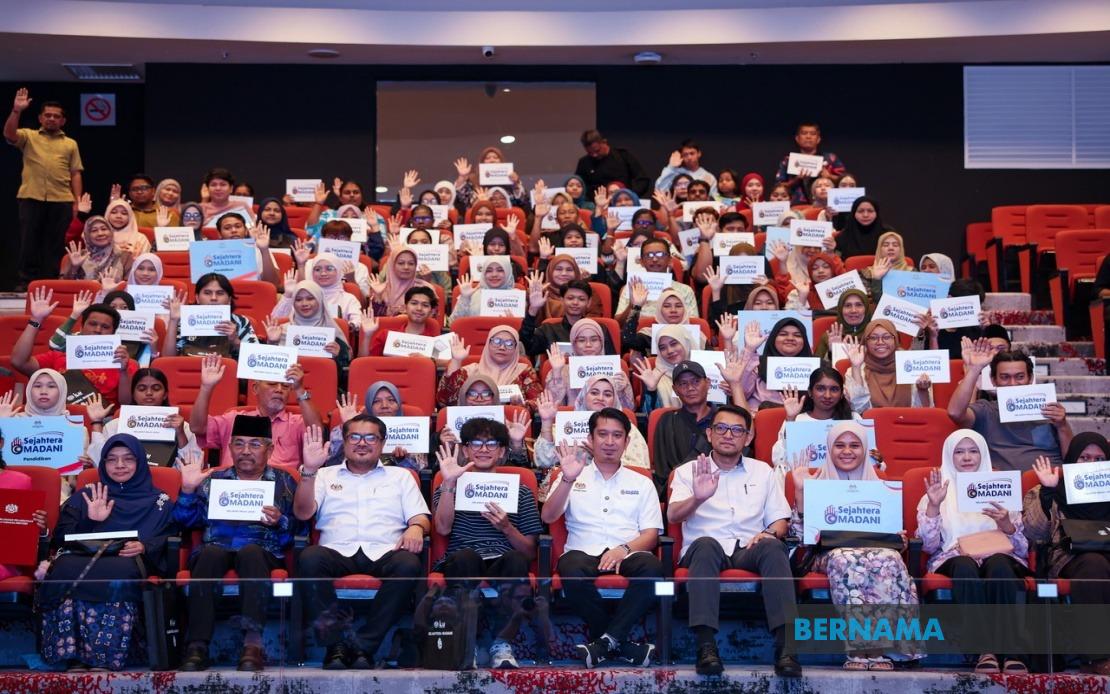
The provision of laptops to high-achieving SPM students and tablets to university learners under the Sejahtera MADANI initiative underscores the government's simultaneous commitment to technological access and responsible use. There is inherent tension here: providing devices without adequate guidance about ethical deployment invites misuse, yet restricting technology impedes learning. The AI guidelines, in this context, help bridge that gap by equipping both institutions and students with frameworks for maximising benefits while minimising harms.
For Malaysian universities navigating a competitive global landscape, these guidelines represent more than domestic compliance measures. They signal to international partners and student communities that the country's higher education system takes both innovation and integrity seriously. As generative AI tools proliferate and become more sophisticated, the frameworks established in 2024 provide a foundation that can evolve while maintaining core principles. The coming years will reveal whether this approach genuinely shifts behaviour or whether the gap between policy and practice persists—a challenge common across Southeast Asia's educational institutions as they engage with transformative technologies.

