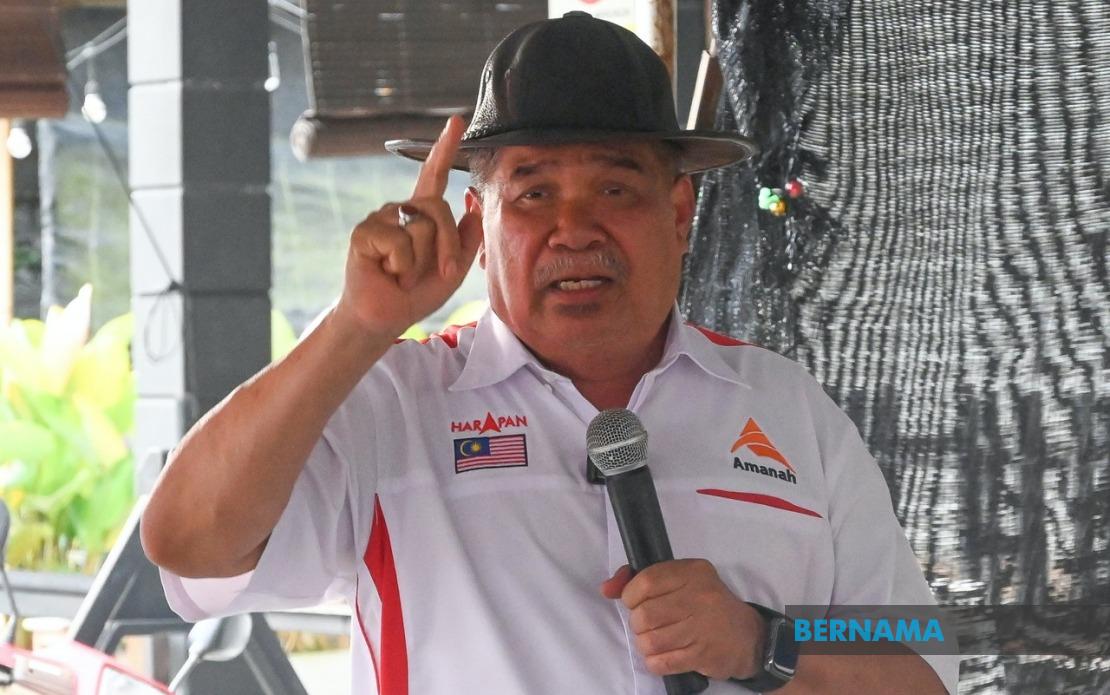
Malaysia's government is moving closer to resolving a trade dispute with Thailand over shrimp imports, with Agriculture and Food Security Minister Datuk Seri Mohamad Sabu indicating that negotiations will wrap up by mid-August. Speaking in Kota Bharu after attending the closing ceremony of the Road to MAHA 2026 East Coast Zone programme, Mohamad expressed confidence that outstanding issues surrounding the temporary suspension would soon be settled.
The import restrictions, which took effect on June 1, affected five commercially significant shrimp species from Thailand. These comprise Penaeus esculentus (brown tiger shrimp), Fenneropenaeus merguiensis (banana shrimp), Penaeus vannamei (white shrimp), Penaeus monodon (tiger shrimp), and Penaeus stylirostris (blue shrimp). The ban was implemented as Malaysia tightened its oversight of fishery product imports from its northern neighbour, reflecting broader concerns about food safety and supply chain integrity.
The suspension highlights ongoing challenges in regional trade relations and the complexity of managing agricultural product flows between neighbouring countries. Thailand remains one of the world's largest shrimp producers and exporters, and any disruption to its shipments into Malaysian markets has ripple effects throughout Southeast Asia's aquaculture industry. The timing of these restrictions coincided with Malaysia's broader food security agenda, which has become increasingly urgent as the nation confronts its dependence on imported agricultural goods.
Beyond the immediate shrimp dispute, Mohamad articulated a wider vision for Malaysian agriculture centred on modernisation and technological advancement. He emphasised that MAHA 2026, Malaysia's premier agricultural exhibition scheduled for August 28 through September 6, would serve as a platform for showcasing innovation while fostering international partnerships. The event, to be held in Kuala Lumpur, aims to attract around five million visitors and generate approximately RM58 million in direct sales, complemented by anticipated investments totalling RM8 billion.
The minister revealed that MAHA 2026 will feature participation from countries spanning Africa, Central Asia, China, Britain, Japan, and the United States, underscoring Malaysia's commitment to building a globally connected agricultural ecosystem. This international dimension addresses a strategic imperative: as food security grows into a pressing global concern, Malaysian policymakers recognise that technology-sharing and collaborative development are essential to reducing import dependency and building resilient domestic production systems.
For Malaysian stakeholders, the diversity of international participants offers significant opportunities. Agricultural entrepreneurs, technology innovators, and policymakers will gain exposure to cutting-edge farming methods, sustainable practices, and supply chain innovations being deployed across different continents. Such connections are particularly valuable for Malaysia, where climatic constraints and land-use pressures limit expansion of traditional agriculture, making technological solutions and knowledge transfer indispensable for long-term food self-sufficiency.
The Road to MAHA 2026 campaign has traversed multiple regions, culminating in the Kota Bharu event. Earlier roadshows in Kedah, Selangor, Melaka, and Labuan built momentum for the main exhibition and engaged diverse stakeholder communities across Malaysia's economic geography. These preparatory events have sensitised farmers, agribusiness operators, and government agencies to the themes and opportunities that MAHA 2026 will emphasise, creating an informed constituency ready to participate meaningfully in the exhibition.
Modern agricultural technology will occupy centre stage at MAHA 2026, reflecting the ministry's strategic pivot toward innovation-driven growth. This repositioning acknowledges that traditional farming alone cannot satisfy Malaysia's growing food demands or achieve greater self-sufficiency. Instead, precision agriculture, hydroponics, controlled-environment farming, and digital tools for crop management represent the future trajectory of Malaysian food production, particularly given urbanisation trends and the shrinking agricultural workforce.
Mohamad's remarks concerning food security carry particular resonance in Southeast Asia, where demographic growth, rising living standards, and supply chain vulnerabilities collectively elevate the stakes of agricultural policy. Malaysia's reliance on food imports—particularly grains, protein sources, and fresh produce—creates dependencies that geopolitical tensions or trade disruptions can rapidly destabilise. The renewed emphasis on innovation thus serves a dual purpose: enhancing productivity domestically while reducing vulnerability to external shocks.
The shrimp import situation itself exemplifies the intricate balancing act required in regional trade. While import controls protect local interests and food safety standards, they must ultimately align with broader trade relationships to avoid escalating tensions or provoking retaliatory measures. By signalling that resolution is imminent, Mohamad suggests Malaysia's government is pursuing a measured approach—implementing necessary safeguards without allowing disputes to fester or undermine the deeper economic ties binding Malaysia and Thailand.
As negotiations conclude by mid-August, Malaysian agricultural stakeholders will be watching carefully to see whether revised protocols permit resumed imports, albeit under stricter conditions, or whether deeper structural changes to sourcing patterns emerge. Either outcome will shape input costs and availability for Malaysian shrimp processors and food manufacturers who depend on Thai supplies, potentially influencing competitiveness in regional and global markets. The resolution thus extends far beyond bilateral diplomacy, touching the commercial interests of countless businesses and consumers throughout Malaysia and the wider ASEAN region.

