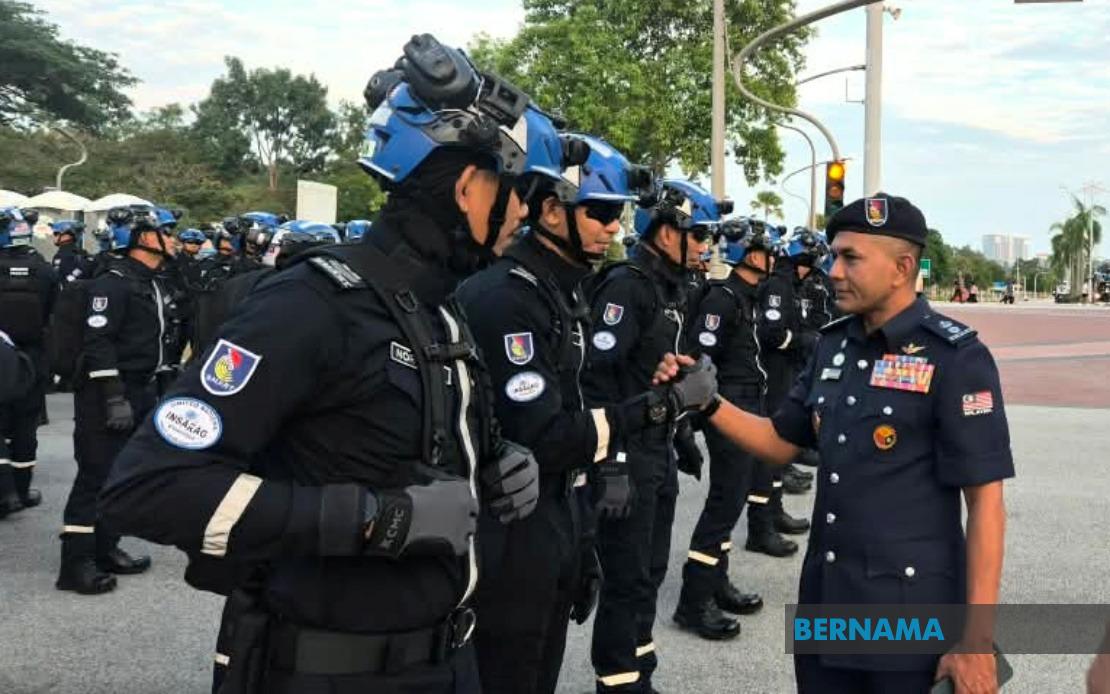
The Special Malaysia Disaster Assistance and Rescue Team (SMART) has signalled full operational readiness to support search and rescue efforts in Nepal, where unprecedented flooding and landslides have claimed hundreds of lives. However, the deployment remains contingent upon formal clearance from Nepalese authorities, who are currently assessing their capacity to accommodate international assistance teams. Senior Fire and Rescue Officer 1 Abdul Manaf Che Isa confirmed on August 31 that coordination channels with Nepal's government are active, with Malaysian officials awaiting confirmation of the country's willingness to receive the rescue contingent.
Nepal has been gripped by a humanitarian crisis following catastrophic natural disasters that struck multiple regions on August 26. The Rasuwa District bore the brunt of the impact, experiencing severe flash floods and destructive landslides that have devastated communities across the mountainous terrain. According to reports from the Anadolu Agency, the confirmed death toll has climbed to 804 across Nepal and China's Tibet region, with nearly 3,300 individuals still unaccounted for. These figures underscore the scale of destruction and the urgency with which rescue operations must proceed to locate survivors trapped in affected areas.
Prime Minister Datuk Seri Anwar Ibrahim announced Malaysia's commitment to the relief effort, directing SMART to mobilise for immediate deployment. The decision reflects Malaysia's regional responsibility and humanitarian obligations toward neighbouring countries facing natural disasters. Beyond search and rescue operations, the SMART contingent has been tasked with locating and securing the welfare of Malaysians impacted by the flooding, a priority given that 55 Malaysian citizens remain uncontactable following the disaster. The team will also work alongside the Malaysian Embassy in Nepal to coordinate comprehensive assistance programmes and ensure that affected nationals receive necessary support.
Financial assistance complements the deployment of personnel. The Malaysian government has committed USD1 million in direct aid to Nepal, channelled toward immediate humanitarian relief and longer-term post-disaster reconstruction efforts. This contribution signals Malaysia's recognition that rescue operations and emergency response must be accompanied by sustained support for affected communities as they rebuild infrastructure and livelihoods destroyed by the floods and landslides. The magnitude of assistance demonstrates Malaysia's commitment to regional solidarity during crises.
The SMART team comprises 112 personnel, a substantial force equipped with specialised search and rescue capabilities essential for operating in the challenging terrain of Nepal's mountainous regions. Led by Captain Plaveanus Bernard, the contingent represents Malaysia's most experienced disaster response personnel, trained extensively in extracting survivors from collapsed structures, navigating hazardous environments, and providing emergency medical assistance. Their deployment would significantly augment Nepal's own rescue resources, which remain stretched across multiple disaster zones simultaneously.
Coordination among Malaysian agencies underscores the governmental seriousness attached to this mission. The Foreign Ministry (KLN), National Security Council (MKN), and National Disaster Management Agency (NADMA) are working in tandem to facilitate deployment logistics, ensure diplomatic protocols are observed, and guarantee that the team operates effectively within Nepal's command structures. This inter-agency approach reflects Malaysia's institutional experience in managing large-scale international disaster response, built through previous emergencies across the region.
The situation affecting Malaysians in the affected areas adds particular urgency to the relief mission. Beyond the 55 uncontactable individuals in Nepal, Wisma Putra reported 36 Malaysians unaccounted for in China's Tibet region following the same disaster. Locating these citizens, determining their status, and facilitating their return to Malaysia represents a central objective alongside broader search and rescue contributions. The dual humanitarian mandate—assisting all disaster victims while prioritising Malaysian nationals—shapes the mission's scope and operational priorities.
For Malaysia, participation in regional disaster response carries strategic significance extending beyond immediate humanitarian value. Such engagement reinforces Malaysia's standing as a responsible member of the Southeast Asian and broader Asian community, demonstrating capacity and willingness to mobilise resources when neighbouring nations face catastrophic challenges. It also strengthens bilateral relationships with Nepal and sends signals to other regional partners regarding Malaysia's reliability as a partner during crises, enhancing diplomatic relationships and soft power.
The standby status of SMART reflects Malaysia's institutional readiness for rapid response to regional disasters. Modern disaster management requires teams to maintain constant preparedness, with personnel trained, equipment maintained, and logistics systems positioned for swift mobilisation. The fact that SMART was formally inspected and paraded during National Day 2026 celebrations at Dataran Putrajaya, even as it awaited deployment orders, illustrates how Malaysia integrates disaster response into broader national consciousness and institutional priorities. This visibility also educates the public about Malaysia's disaster response capabilities.
Nepal's capacity to receive external assistance depends on multiple factors including security of international personnel, coordination with Nepal's own rescue agencies, availability of logistical infrastructure, and assessment of where external teams can add value most effectively. These considerations explain the delay in formal approval despite Malaysia's rapid mobilisation. Nepal's government must balance the benefits of international assistance against operational complexities of integrating foreign teams into existing command structures while managing widespread disaster response across multiple locations simultaneously.
The humanitarian dimensions of this pending deployment extend beyond immediate rescue operations. Once the initial emergency phase concludes, Malaysia's assistance can contribute to documenting lessons learned, training local personnel in advanced rescue techniques, and supporting early recovery planning. International disaster response increasingly emphasises capacity building and knowledge transfer, ensuring that affected countries develop stronger resilience for future emergencies. Malaysian expertise could thus benefit Nepal's longer-term disaster management capabilities.
As diplomatic processes unfold, Malaysia's readiness sends a clear message to both Nepal and the broader international community about the country's commitment to humanitarian responsibilities. The combination of personnel deployment, financial assistance, and coordinated governmental support represents comprehensive engagement with the crisis. Whether SMART ultimately deploys depends on Nepal's formal response, but Malaysia's positioning demonstrates that the nation maintains both capability and commitment to respond swiftly when disasters strike neighbouring countries, reinforcing regional stability and mutual assistance principles that underpin Southeast Asian cooperation.

