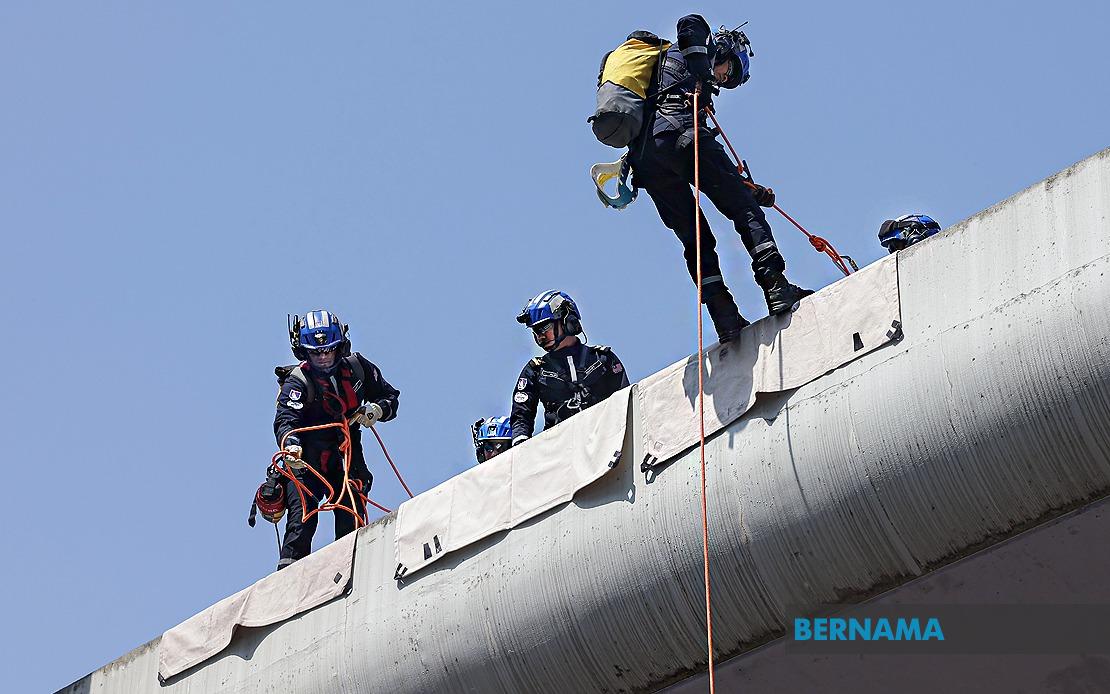
Malaysia's Special Search and Rescue Team has been placed on high alert to assist Nepal in the aftermath of severe flooding that has swept across the country, though the deployment remains contingent on formal approval from the Nepali Government. The National Disaster Management Agency announced on Friday that SMART personnel are prepared for immediate mobilisation should Kathmandu issue an official invitation, marking Malaysia's readiness to contribute to regional disaster response efforts at a critical moment.
The standby status reflects the complexity of international humanitarian operations, where host nations must formally request and consent to foreign assistance before rescue teams can cross borders. NADMA has coordinated with Malaysia's Foreign Ministry to ensure all diplomatic channels remain open, positioning the nation to respond swiftly once administrative clearances are granted. This procedural requirement, while standard in international protocols, highlights how natural disasters can strain bureaucratic processes even as communities face urgent needs.
Prime Minister Anwar Ibrahim moved to accelerate Malaysia's response by announcing that the Government has decided in principle to deploy SMART to Nepal, signalling political will to proceed beyond standby status. His intervention suggests confidence that Nepal will welcome Malaysian assistance, though formal acceptance remains pending. The Prime Minister also disclosed that Malaysia would contribute US$1 million to support flood victims and finance post-disaster recovery initiatives, demonstrating financial commitment alongside technical expertise.
SMART's mandate during the deployment extends beyond conventional search and rescue operations. The team has been explicitly tasked with locating Malaysian nationals affected by the floods and facilitating their safe return home, addressing concerns of the diaspora community. Additionally, the unit will work alongside Malaysia's diplomatic mission in Kathmandu to coordinate broader assistance efforts and safeguard the welfare of Malaysians in-country, reflecting a holistic approach to crisis management.
The readiness of SMART reflects years of institutional preparedness and training. Senior Fire Superintendent I Abdul Manaf Che Isa, the team commander, articulated the unit's commitment to deployment even as members were scheduled to participate in Malaysia's National Day parade on August 31st. His statement underscores the dual nature of SMART's responsibility: maintaining ceremonial obligations while remaining operationally prepared for international emergency response, a balancing act that speaks to institutional discipline.
Nepal's floods have emerged as a significant humanitarian crisis in South Asia, affecting thousands and overwhelming local capacity. For Malaysia, participation in such regional disasters carries strategic importance beyond charitable impulse. It demonstrates commitment to multilateral cooperation, strengthens diplomatic ties with neighbouring countries, and positions Malaysian expertise as a valued asset in the Indo-Pacific community. These operations also build institutional relationships that prove invaluable during future crises affecting ASEAN members.
The deployment, should it proceed, represents Malaysia's growing role as a reliable partner in regional disaster management. Previous SMART missions to earthquake-hit areas and flood-affected zones have established the unit's credibility internationally. This standing enhances Malaysia's soft power and influence in regional forums, while simultaneously fulfilling humanitarian obligations that resonate with Malaysian values of mutual support and solidarity.
For Malaysian citizens in Nepal, the Government's swift response provides reassurance that support mechanisms are being activated. The Embassy's coordination role becomes crucial in this context, serving as the central node for identifying affected nationals and facilitating their assistance. The team's deployment would augment diplomatic capacity and demonstrate tangible protection of Malaysian interests abroad.
The timing of the deployment announcement, occurring days before National Day, also carries symbolic weight in domestic politics. It showcases the MADANI Government's commitment to international responsibility and humanitarian concern, reinforcing narratives of a values-driven administration. However, such political messaging must remain secondary to operational efficiency and genuine assistance provision, a tension inherent in all government disaster responses.
From a regional perspective, Malaysia's readiness signals that ASEAN's non-traditional security mechanisms are functioning. Disaster relief and humanitarian assistance have become central to regional identity and cooperation frameworks. As climate change intensifies extreme weather events across South and Southeast Asia, institutional capacity for rapid cross-border response becomes increasingly critical to community resilience and regional stability.
The diplomatic coordination between Malaysia's Foreign Ministry and NADMA demonstrates integration of political and technical expertise necessary for successful international operations. Such coordination ensures that humanitarian goals align with diplomatic protocols and that assistance is delivered in ways that strengthen rather than complicate bilateral relationships. Nepal's response to the Malaysian offer will reveal its capacity to accept international help while maintaining sovereignty and control over relief operations within its borders.
Looking forward, the outcome of Nepal's decision on Malaysian assistance will likely influence how both nations calibrate future cooperation frameworks. Should the deployment proceed smoothly, it establishes precedent and confidence for expanded cooperation on disaster management. Conversely, any complications would provide lessons for refining procedures and enhancing mutual understanding of expectations and constraints that shape international humanitarian response.

