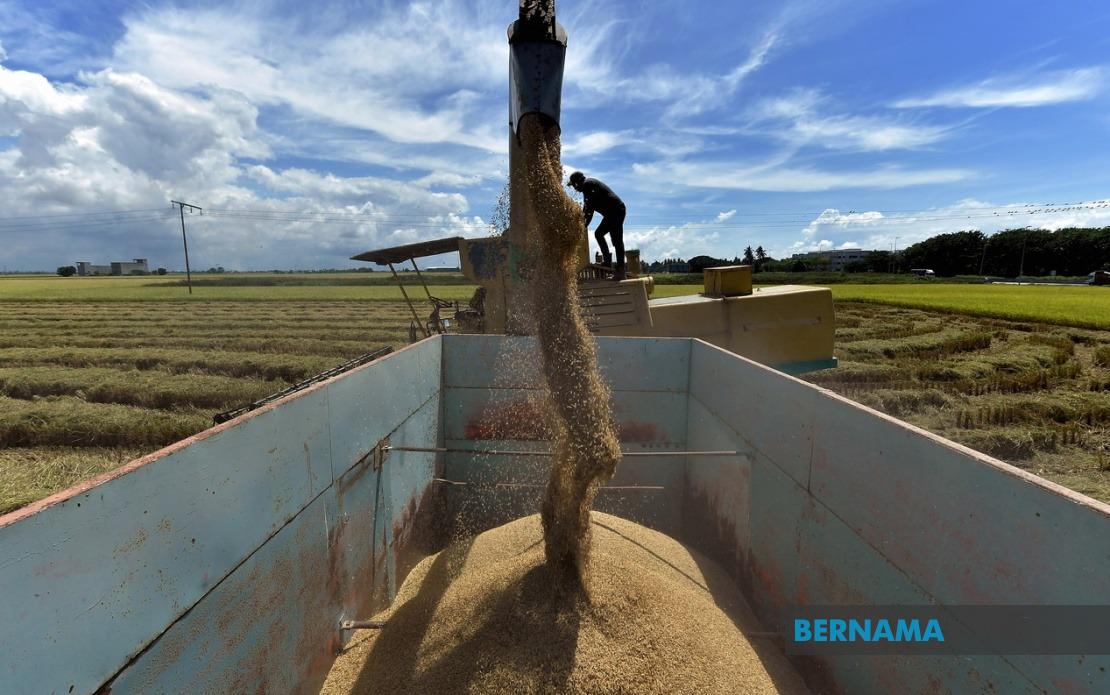
Parliament moved swiftly this week to advance legislation that would substantially reshape Malaysia's rice market oversight, with Agriculture and Food Security Minister Datuk Seri Mohamad Sabu tabling the Control of Padi and Rice Act (Amendment) Bill 2026 for its first reading in the Dewan Rakyat on July 7. The expedited legislative schedule promises second and third readings during the current parliamentary sitting, indicating the government's determination to pass these provisions without delay.
The proposed amendments reflect a dramatic recalibration of enforcement mechanisms within Act 522, the foundational legislation governing Malaysia's padi and rice sector. Currently, maximum penalties for individual violators stand at RM15,000, with repeat offences reaching RM25,000. The new legislation would multiply these figures substantially: individual penalties would climb to RM250,000 on first offence, escalating to RM500,000 for subsequent violations. Corporate entities face even steeper increases, moving from RM25,000 and RM50,000 respectively to RM500,000 and RM1 million thresholds.
These penalty increases represent one dimension of a broader attempt to tighten state control over rice production and distribution. Equally significant are the expanded regulatory powers being granted to the agriculture ministry's director general and the Minister themselves. Under existing provisions, price enforcement remains limited; the amendment grants the director general explicit authority to set maximum or minimum prices for padi and rice, subject to ministerial approval. This modification opens the door to more aggressive state intervention in commodity pricing, a lever governments typically reserve for periods of supply disruption or inflationary pressure.
For Malaysian consumers and industry observers, the implications merit careful consideration. Rice prices directly affect household budgets across the income spectrum, making price controls a politically sensitive tool. By centralising pricing authority within the ministry, the government gains flexibility to respond to market pressures but also shoulders responsibility for market distortions that price controls often create. The amendment essentially empowers bureaucratic rather than market-driven price discovery, a model with mixed results internationally but one that many developing nations employ when food security concerns predominate.
The legislative changes also grant the Minister sweeping regulatory authority over licensing, grading standards, and movement controls for padi and rice throughout the supply chain. This represents a consolidation of state power that extends beyond pricing into the structural mechanics of the entire sector. The ministerial authority to prescribe rice grades and associated price points essentially creates a parallel classification system through which the state can influence market segmentation and profitability across different product categories.
Perhaps most notably, the amendments establish new penalty frameworks for regulatory violations, permitting fines up to RM15,000 or imprisonment for six months or both for any breaches of regulations established under the Act. This graduated enforcement system signals serious intent to maintain compliance, though critics may raise concerns about proportionality and whether such severe sanctions could suppress legitimate trading activity or innovation within the sector.
The rapid parliamentary progression of this bill warrants scrutiny regarding its underlying motivations. Rice self-sufficiency remains a strategic priority for Malaysia, particularly given regional supply chain vulnerabilities and price volatility in international markets. Recent years have witnessed periodic disruptions to global rice supplies, prompting importing nations to reconsider dependency relationships. Malaysia, which imports roughly 30 percent of its rice requirements, faces genuine food security considerations that justify strengthened oversight mechanisms, even if implementation details require careful attention.
Industry stakeholders, including millers, distributors, and farmer cooperatives, will need to adjust their operational frameworks to accommodate these expanded regulatory requirements. The enhanced penalty structures create stronger compliance incentives but may also increase regulatory compliance costs, potentially squeezing margins for smaller operators who lack sophisticated legal and administrative infrastructure. The licensing provisions could serve as gatekeeping mechanisms that either streamline sector efficiency or inadvertently entrench incumbent market participants, depending on implementation approach.
Regional comparisons offer instructive context. Indonesia, the world's third-largest rice producer and a net exporter, maintains extensive state controls over padi purchasing through its logistics agency Bulog, which stabilises prices through strategic reserves and market interventions. Thailand, conversely, permits largely liberalised trading while maintaining strategic reserves for food security purposes. Malaysia's approach, as amended, appears to trend toward the Indonesian model of direct state intervention, albeit for an importing nation rather than an exporting one, creating different incentive structures and outcomes.
The bill's clauses addressing transitional provisions—preserving existing investigations and proceedings initiated before the Act's commencement—reflect standard legislative practice but also hint at existing enforcement challenges that motivated these amendments. The detailed attention to penalty escalation suggests enforcement actions have been undertaken, though perhaps inadequately to deter violations across the supply chain.
Parliamentary passage appears virtually certain given government control over the Dewan Rakyat, though committee scrutiny may yield minor modifications. Once enacted, implementation will depend substantially on the agriculture ministry's capacity to coordinate between the director general's office, state authorities responsible for agricultural oversight, and local enforcement agencies. Seamless coordination across these agencies remains an enduring challenge within Malaysia's federal structure.
Looking ahead, the true measure of these amendments will be their practical effect on rice supply stability, price volatility, and farmer income security. Enhanced regulatory authority and penalties serve little purpose if they cannot be effectively administered or if they inadvertently create market distortions that harm the very food security objectives they ostensibly advance. Malaysian policymakers will need to monitor implementation carefully to ensure the legislation achieves its intended effects without imposing unnecessary burdens on legitimate market participants.

