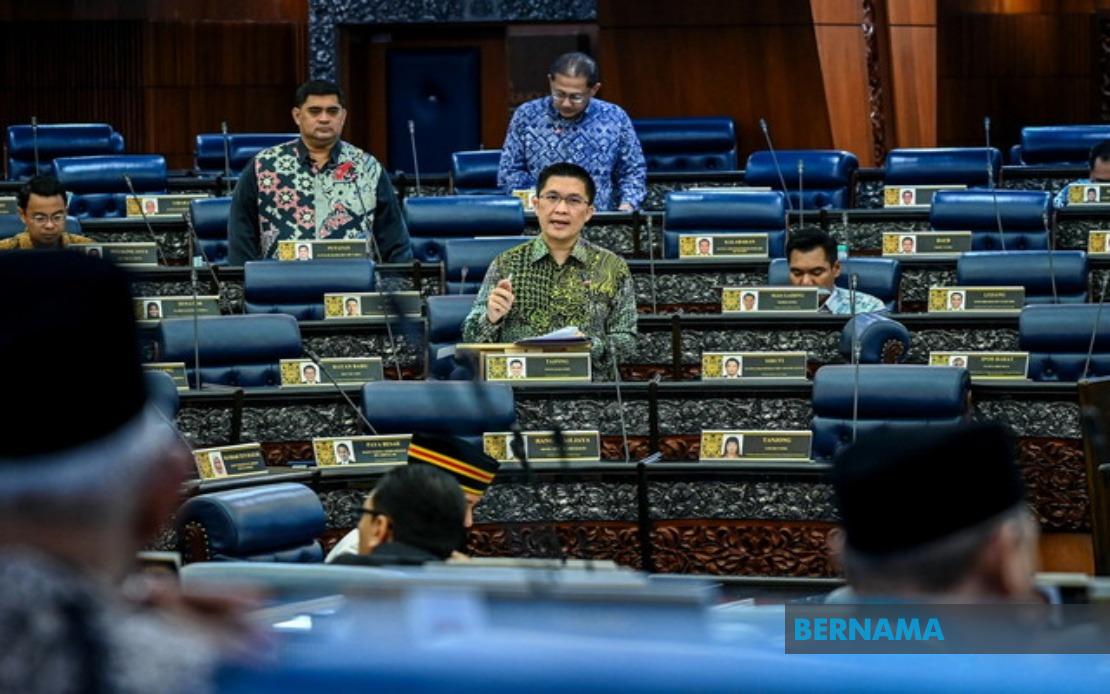
Malaysia's Education Ministry has reached near-complete staffing of its preschool teaching positions, with 99.8 per cent of available posts now filled as of July 1. The achievement reflects sustained effort to build a robust foundation for early childhood education across the country, with 10,478 teachers currently placed in government preschools nationwide. Deputy Minister Wong Kah Woh disclosed the figures when responding to parliamentary questions, underscoring the ministry's commitment to meeting escalating demand for structured early learning programmes in communities throughout the nation.
The expansion of the preschool teaching workforce over the past two years has been substantial. Between 2023 and 2025, the ministry deployed an additional 1,202 preschool teachers, representing a significant increase in human resources dedicated to the early education sector. This phased recruitment approach acknowledges both budgetary constraints and the necessity for careful workforce planning aligned with genuine demand in different regions. Wong indicated that the process of onboarding new educators would persist in systematic phases, calibrated to anticipated enrolment growth patterns across Malaysian states and federal territories.
Quality assurance remains central to the ministry's strategy for early childhood development. Beyond simply increasing teacher numbers, the Education Ministry has invested in strengthening professional development infrastructure, including pre-service training for new recruits and in-service programmes for existing staff. These training initiatives are explicitly designed to ensure that educators meet established qualifications and possess competencies reflecting international best practices in early childhood education. By embedding quality standards into the system, the ministry aims to guarantee that expansion in class numbers translates into genuinely enhanced learning experiences for young students.
The current operational reach of government preschool provision is substantial. As of May 31, the ministry operated 10,491 preschool classes nationwide, collectively serving 217,026 pupils. This represents broad geographic distribution of early childhood education services, though capacity constraints and uneven regional demand persist. The sheer scale of this undertaking—managing classes in diverse communities from urban centres to rural areas—demonstrates the logistical complexity underlying what might appear as straightforward policy implementation.
Location decisions for opening or expanding preschool classes follow a data-driven methodology rather than ad-hoc expansion. The ministry assesses multiple factors when identifying suitable communities for new facilities, particularly the population of age-eligible children and locally expressed demand for such services. This analytical approach helps prevent misallocation of resources to areas with limited demand while ensuring that communities with substantial numbers of preschool-age children receive adequate provision. Such targeting reflects recognition that Malaysian demographic patterns vary significantly across regions.
Government ambitions for preschool expansion extend well into the medium term. The ministry has committed to establishing 300 additional classes during the coming year, part of a broader five-year developmental trajectory that aims to add 1,040 new classes across the specified period. These targets represent substantial growth from the current baseline, signalling ministerial determination to universalise access to government-subsidised early childhood education. If achieved, this expansion would meaningfully increase the proportion of Malaysian children with access to structured preschool experiences before primary education commences.
For six-year-old children who have not yet participated in preschool programmes, the ministry faces particular challenges in ensuring equitable access. Wong committed to continued expansion of preschool facilities while simultaneously acknowledging that government provision alone cannot meet all demand. This recognition has prompted partnerships with State Education Departments, the Community Development Department (KEMAS), and other relevant agencies. These collaborative arrangements acknowledge the federated structure of Malaysian governance and the reality that education delivery often requires coordination across multiple institutional actors operating at different administrative levels.
The expansion of early childhood education carries significance beyond immediate classroom benefits. International research consistently demonstrates that quality preschool experiences enhance child development outcomes, improve school readiness, and contribute to longer-term educational and social benefits. For Malaysia, expanding access to government preschool services potentially reduces disparities in educational preparation that often emerge along socioeconomic lines. Children from disadvantaged backgrounds gain particular advantage from preschool attendance, making universal or near-universal access an equity-enhancing policy objective.
The Malaysian context presents particular challenges for preschool provision. Urban-rural divides mean that rural communities often struggle to attract qualified teachers and sustain sufficient enrolment to justify facility establishment. Economic disparities affect household capacity to contribute toward childcare during the preschool years, making government provision especially valuable for lower-income families. Indigenous communities and marginalised populations frequently experience limited preschool access, perpetuating educational disadvantage that compounds across generations.
The integration of early childhood education into the broader national education strategy reflects evolving understanding of child development and educational policy. Rather than viewing preschool as peripheral childcare, contemporary frameworks recognise it as foundational infrastructure for educational equity and human capital development. Malaysia's sustained investment in teacher recruitment and training suggests official acknowledgment of this importance, positioning early childhood education as integral to national development rather than discretionary provision.
Sustaining current momentum in preschool expansion will require continued budgetary commitment and careful workforce planning. Teacher recruitment in rural areas remains challenging, as educators often prefer urban postings with better amenities and social infrastructure. Competitive compensation and professional development opportunities become increasingly important for attracting and retaining talent in less-desirable locations. The ministry's commitment to opening 300 classes annually will depend on successfully addressing these recruitment challenges while maintaining quality standards across an expanding network.

