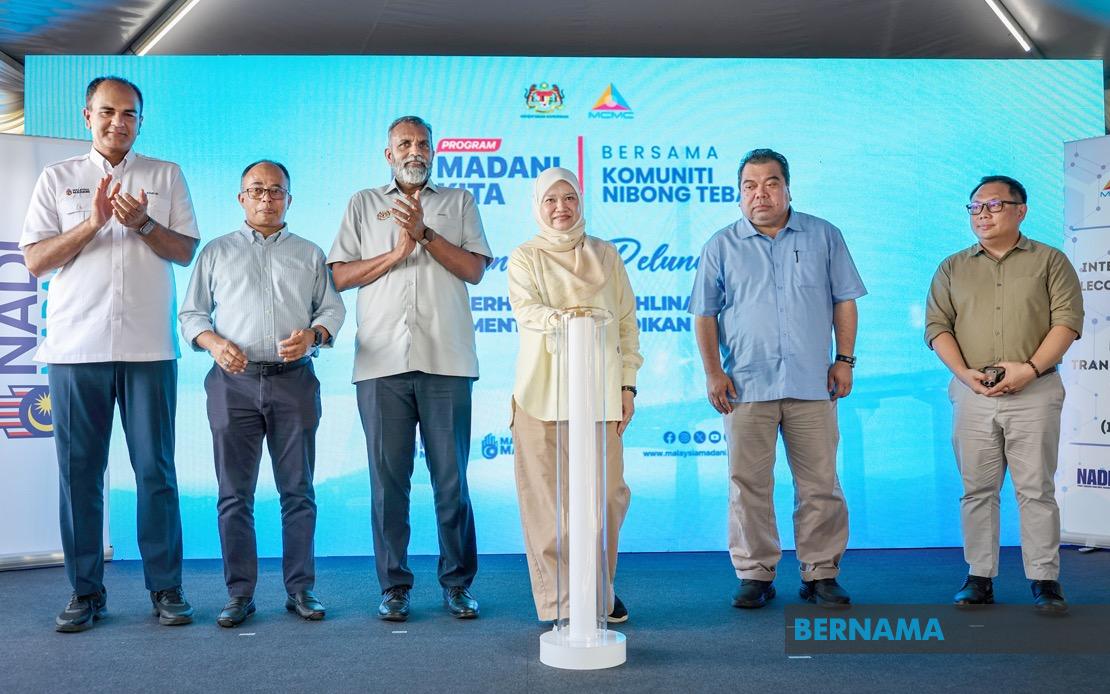
The Malaysian government is intensifying its effort to make public services more accessible through an expanding series of community engagement programmes. The Communications Ministry has now conducted 41 MADANI Kita events, representing a substantial investment in bringing government agencies and ministries into direct contact with ordinary Malaysians. The latest edition of this nationwide initiative took place in Nibong Tebal, where Education Minister Fadhlina Sidek, who represents the constituency in Parliament, officially opened the programme.
The architecture of MADANI Kita reflects a collaborative approach within government itself. The Communications Ministry has enlisted the Community Communications Department, the Malaysian Information Department, and the Malaysian Communications and Multimedia Commission to coordinate these events through the National Information Dissemination Centre. This multi-agency partnership suggests recognition that effective public engagement requires pooling resources and expertise across different government entities rather than operating in silos. The coordination structure indicates a deliberate attempt to break down traditional bureaucratic barriers that often isolate citizens from the decision-making apparatus.
According to Mano Verabathran, the Communications Ministry's deputy secretary-general for Telecommunications Infrastructure, these programmes address a fundamental gap in how government communicates with citizens. While most public information campaigns focus on disseminating facts about policies and initiatives, MADANI Kita operates on a different premise: that Malaysians want tangible evidence of how government efforts translate into real benefits in their daily lives. This shift from one-way messaging to two-way dialogue reflects evolving expectations about what citizens should reasonably expect from their government.
The engagement model prioritises interactive dialogue and feedback mechanisms. Citizens attending these events gain opportunities not merely to listen to government presentations but to seek clarifications, pose questions, and articulate their concerns directly to officials. This direct interaction channel addresses longstanding frustrations many Malaysians experience when navigating bureaucracy remotely or through written channels. By creating spaces where conversation can occur face-to-face, the programmes potentially reduce misunderstandings and build greater public confidence in government initiatives.
Beyond abstract civic engagement, MADANI Kita incorporates programming designed to attract younger demographics and address contemporary interests. The inclusion of activities focused on technology and e-sports reflects understanding that government legitimacy increasingly depends on meeting citizens where their interests lie. Youth engagement through activities promoting talent development, teamwork, and healthy competition serves dual purposes: it makes government service visible to a generation that might otherwise ignore official channels, while simultaneously demonstrating government investment in areas that matter to young Malaysians.
Education and skills development occupy central roles in the MADANI Kita framework. Rather than confining programming to information dissemination, the events offer workshops and training opportunities that directly enhance individual capabilities. This focus addresses Malaysian concerns about workforce development and economic competitiveness, particularly relevant given rapid technological change and evolving job market demands. By embedding skills training within government engagement events, the ministry connects policy objectives around economic productivity with tangible community benefit.
The scale of public participation indicates genuine appetite for these programmes. The Permatang Pauh event, held alongside the Penang International Halal Expo 2026, attracted more than 17,000 attendees over three days. This substantial turnout suggests that when government makes genuine effort to meet citizens in accessible venues during their leisure time, participation barriers decline significantly. The co-location with a major commercial exhibition also demonstrates strategic thinking about where to position government engagement to maximise visibility and participation.
For Malaysian citizens, particularly those in smaller towns and less developed areas, these programmes represent valuable opportunity to access government services and information without lengthy bureaucratic processes. Rather than requiring citizens to travel to government offices during business hours, MADANI Kita brings services to communities. This approach particularly benefits workers with inflexible schedules and those lacking easy transport to government administrative centres.
The broader implications for governance in Malaysia deserve consideration. The expansion to 41 programmes suggests this is no longer an experimental initiative but an embedded feature of how government intends to operate going forward. This transformation of communication strategy reflects acknowledgment that traditional top-down information dissemination proves increasingly inadequate in satisfying citizen expectations. The investment in direct engagement infrastructure indicates government recognition that legitimacy requires visible responsiveness to public concerns and demonstrated commitment to serving community needs.
Regionally, Malaysia's approach to citizen engagement through MADANI Kita offers lessons for other Southeast Asian democracies grappling with similar challenges around bridging government-citizen divides and building public trust. The emphasis on multi-agency coordination and youth engagement addresses common governance concerns across the region. As Malaysia refines and expands these programmes, the experience accumulated could inform how other ASEAN nations approach public engagement and service accessibility.
Looking forward, the sustainability and evolution of MADANI Kita will depend on consistent resource allocation and genuine integration of citizen feedback into policy development. If these programmes function merely as sophisticated public relations exercises without meaningfully influencing government decision-making, they risk deepening public cynicism rather than building trust. The real test will be whether government demonstrates responsiveness to issues and concerns raised during direct engagement, translating dialogue into measurable policy adjustments.

