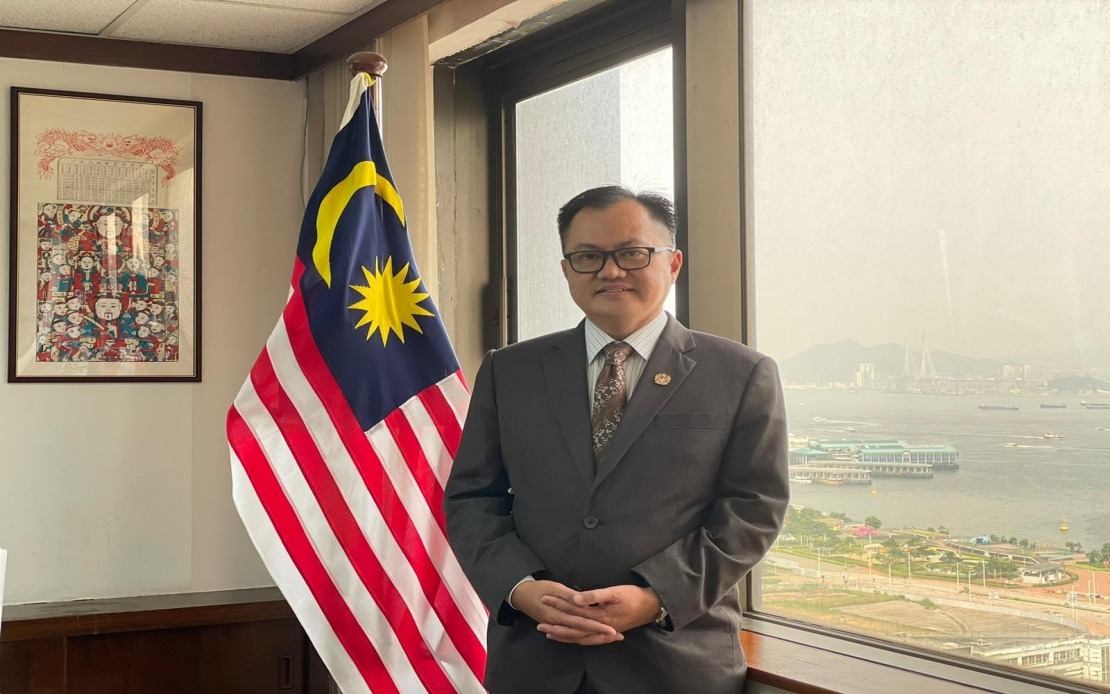
The Consulate General of Malaysia in Hong Kong has publicly responded to suggestions that Malaysian expatriates in the territory faced information deficits during the recent Johor state election, asserting that its mission conducted a comprehensive outreach programme designed specifically to support voter participation. Consul General Muzambli Markam issued a detailed statement addressing coverage in the South China Morning Post, which had highlighted apparent obstacles confronting overseas postal voters attempting to participate in the regional polls held earlier this summer.
The diplomatic mission characterised its approach as proactive and multi-layered, spanning digital communications and community collaboration. According to Muzambli, the Consulate maintained a consistent schedule of publishing advisories and instructional resources across its official communication channels throughout the electoral window. This strategy reflected an understanding that geographical distance and different time zones can complicate citizens' access to official guidance on voting procedures. The Hong Kong mission also established a partnership with the Malaysian Association of Hong Kong, a prominent community organisation, to amplify registration deadlines and encourage civic engagement among the resident Malaysian population.
A central point of contention involved how the media coverage had framed the availability of voter information. Muzambli contested the underlying premise that Malaysian expatriates in Hong Kong suffered from inadequate awareness, arguing that such a characterisation disregarded the depth of local engagement activities undertaken by the Consulate. He noted that the original article's framing overlooked the breadth of materials and partnerships the mission had activated to ensure information reached target audiences through multiple channels. The Consul General specifically mentioned that his office had briefed the publication's journalist on these initiatives prior to publication, suggesting that the final article did not fully incorporate the context officials believed was important.
The dispute over media representation extended to disagreements about the narrative surrounding Malaysia's electoral infrastructure. Muzambli objected to what he characterised as a misleading headline in the South China Morning Post piece, contending that the framing "grossly misrepresented" the efforts invested by both the Election Commission and the broader Malaysian government in facilitating overseas voting. He framed the issue as one where crucial governmental context had been excluded from the published account, resulting in what he termed an inaccurate portrayal of Malaysia's commitment to democratic participation among citizens abroad.
An important technical element of this dispute concerned the administration of overseas voter registration itself. The original media report had apparently suggested that the Consulate's inability to provide local voter statistics indicated a gap in administrative capability. Muzambli reframed this as a deliberate structural choice rather than an operational limitation. He emphasised that Malaysia's Election Commission had undertaken a modernisation programme that shifted overseas voter registration onto a centralised digital platform called MySPR, through which eligible citizens could submit applications directly without requiring intermediaries.
This design philosophy, according to the Consul General, represented an intentional feature of Malaysia's electoral security and efficiency architecture rather than a flaw. By removing the Consulate from acting as an intermediary in the registration workflow, the system created a direct connection between individual applicants and the official Electoral Commission database. Muzambli contended that this streamlined approach actually strengthened the integrity of the voting process whilst simultaneously reducing administrative burdens on overseas diplomatic missions. The framing suggests that Malaysia views this decentralisation as modernisation aligned with broader digital governance trends.
The response from the Hong Kong Consulate reflects a broader conversation about how nations manage democratic participation among diaspora populations. Southeast Asian countries with significant overseas citizen populations, including Malaysia, have increasingly invested in digital infrastructure to enable remote participation in home country elections. The tension between media coverage and official statements in this instance highlights the challenges that arise when overseas voting systems operate with minimal friction, sometimes making the administrative scaffolding that supports such systems invisible to observers and participants alike.
For Malaysian expatriates in Hong Kong specifically, the exchange raises practical questions about information accessibility during electoral periods. While the Consulate emphasises its outreach partnerships and digital communications, the original media concerns suggest that some overseas voters experienced difficulties navigating registration deadlines or understanding procedural requirements. The gap between what officials believe they have communicated and what citizens actually absorbed remains a recurring challenge in overseas electoral participation across democracies globally.
The incident also touches on the relationship between Malaysian diplomatic missions and foreign media coverage of domestic political processes. Muzambli's response indicates that the Consulate views its role as including the responsibility to provide context and correction when international media outlets report on Malaysian electoral affairs. This reflects a growing diplomatic assertiveness around narrative control, particularly regarding matters that touch on national sovereignty and democratic institutions. The statement suggests that Malaysian officials believe foreign coverage of domestic elections should incorporate official governmental perspectives more prominently.
Looking forward, this exchange may prompt the Malaysian government and its overseas missions to consider whether existing communication strategies for electoral matters adequately reach diaspora populations through channels they actually monitor and trust. The involvement of community organisations like the Malaysian Association of Hong Kong suggests recognition that formal governmental communications alone may not suffice, yet questions remain about whether such partnerships reach all segments of the overseas Malaysian population during compressed electoral timelines. The tension between decentralised digital registration systems and centralised communication about those systems warrants continued attention as Malaysia refines its approach to enabling overseas voting.
The Consulate's emphasis on the Malaysian government's commitment to facilitating democratic participation through digital infrastructure and diplomatic engagement encapsulates contemporary approaches to diaspora governance. Rather than viewing overseas voting as an administrative burden, increasingly sophisticated governments position such participation as fundamental to maintaining meaningful democratic connection with expatriate citizens. The Hong Kong Consulate's response, whilst defensive in tone, reflects this broader reorientation toward treating overseas electoral access as a matter of national importance rather than a peripheral concern.

