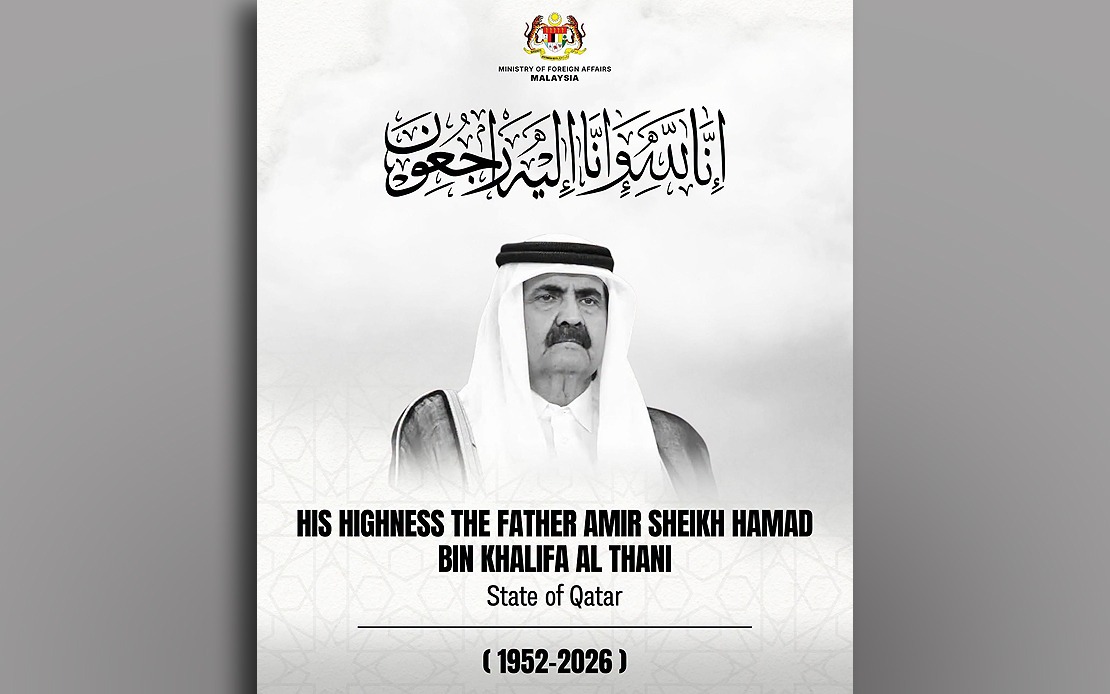
Malaysia has dispatched its Higher Education Minister Datuk Seri Dr Zambry Abdul Kadir to represent the government at official mourning ceremonies in Qatar, underscoring the close diplomatic ties between the two nations. The minister will attend the funeral proceedings for the late Father Amir, Sheikh Hamad bin Khalifa Al Thani, during a two-day visit beginning July 13. This representation at the highest official level reflects Malaysia's commitment to honouring the significant role the departed leader played in regional affairs and demonstrates the warmth of bilateral relations between Kuala Lumpur and Doha.
The Government of Qatar has organised an elaborate state funeral befitting the status of the late Amir, with the current Amir Sheikh Tamim bin Hamad Al Thani personally receiving foreign dignitaries and heads of state at Lusail Palace. The reception will span three days from July 13 to 15, providing an extended period for international leaders and representatives to pay their final respects and express condolences. This extended mourning schedule reflects the significance of Sheikh Hamad bin Khalifa Al Thani's legacy and the expectation of substantial international attendance at the ceremonies.
Qatar has declared a comprehensive four-day period of official national mourning that commenced on July 12, affecting the entire governmental machinery and public institutions throughout the country. During this time, all government ministries, federal agencies, and public institutions across Qatar remain closed as a mark of respect. This nationwide shutdown demonstrates the profound impact of the Father Amir's passing on Qatari society and the importance of ensuring the entire nation participates in honouring his memory.
The Foreign Ministry's official statement revealed the depth of Malaysia's sentiment regarding this loss, emphasising that the nation stands in complete solidarity with Qatar's leadership and populace during this solemn period. The carefully worded diplomatic language conveyed more than mere formality—it expressed genuine sorrow and demonstrated Malaysia's understanding of the historical and contemporary importance of the late Amir to Qatar's development and stability. Such expressions of solidarity are particularly significant in the context of Malaysia-Qatar relations, which have been characterised by consistent cooperation across trade, investment, and cultural exchanges.
Sheikh Hamad bin Khalifa Al Thani, who passed away recently, was a towering figure in Gulf politics and regional stability. His leadership during transformative decades shaped Qatar into a major regional power and global player. The Father Amir oversaw significant economic diversification, substantial infrastructure development, and elevated Qatar's diplomatic standing on the world stage. For Malaysia and other Southeast Asian nations, his reign represented a period of expanding opportunities for partnership and mutual development.
The decision to send the Higher Education Minister rather than a lower-ranking official carries symbolic weight in diplomatic protocol. This choice suggests that Malaysia views this moment as one requiring senior-level representation, acknowledging the stature of the deceased and the importance of the occasion. The minister's attendance will be closely observed by both Qatari officials and other international representatives, serving as an indicator of Malaysia's assessment of its relationship with Qatar and its willingness to invest diplomatic capital in maintaining this important partnership.
Malaysia's participation in Qatar's mourning ceremonies connects to broader Southeast Asian-Gulf cooperation frameworks. In recent years, Malaysia has sought to strengthen ties with Gulf nations as part of its diversified foreign policy approach. Qatar, in particular, has been a significant investor in Malaysian real estate, infrastructure, and financial sectors. The bilateral relationship extends to education, with numerous Malaysian students pursuing higher studies in Qatari institutions, making the dispatch of the Higher Education Minister especially apt and meaningful.
The attendance of international leaders at Lusail Palace will create an unprecedented gathering of global and regional figures, providing Malaysia with networking opportunities beyond the immediate mourning purpose. Such state funerals historically serve as venues where leaders conduct bilateral discussions and assess the trajectory of international relations. Malaysia's presence ensures that the country maintains visibility among key international players and continues to demonstrate its commitment to meaningful engagement in global affairs.
For Malaysia, honouring the late Amir through official representation reflects the nation's diplomatic maturity and understanding of ceremonial protocols in international relations. It also sends a signal to Qatar's new leadership under Amir Sheikh Tamim bin Hamad Al Thani of Malaysia's intention to deepen and maintain strategic partnerships. The transition of power in Qatar, while expected, offers opportunities for Malaysia to reaffirm existing relationships and potentially explore new areas of cooperation under the new administration.
The passing of Sheikh Hamad bin Khalifa Al Thani marks the end of an era in Gulf geopolitics. His contributions to regional stability, economic development, and diplomatic influence extended well beyond Qatar's borders. For Malaysia and other nations across Asia, his legacy includes the foundation of partnerships that continue to benefit mutual development and regional cooperation. Malaysia's representation at these ceremonies acknowledges this legacy while positioning itself as a respectful and engaged participant in the international community's recognition of Qatar's transition.

